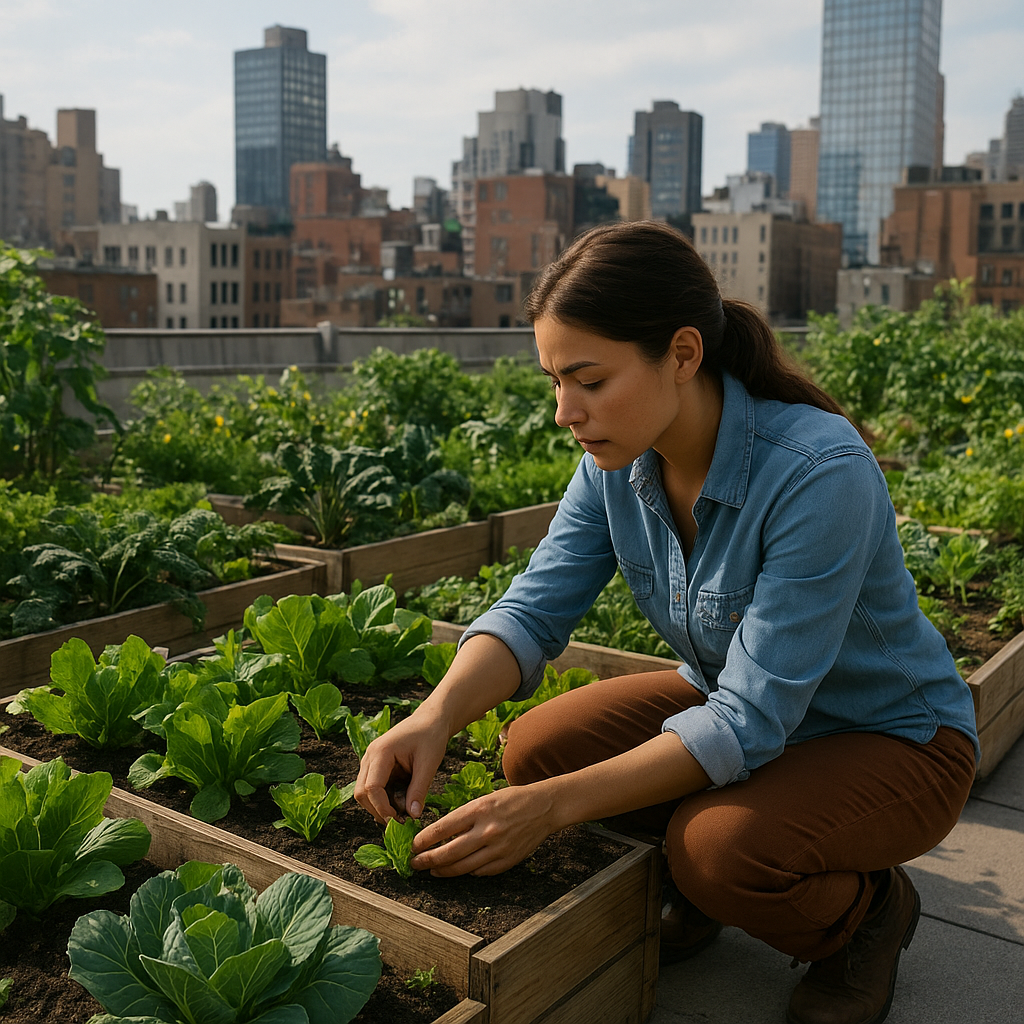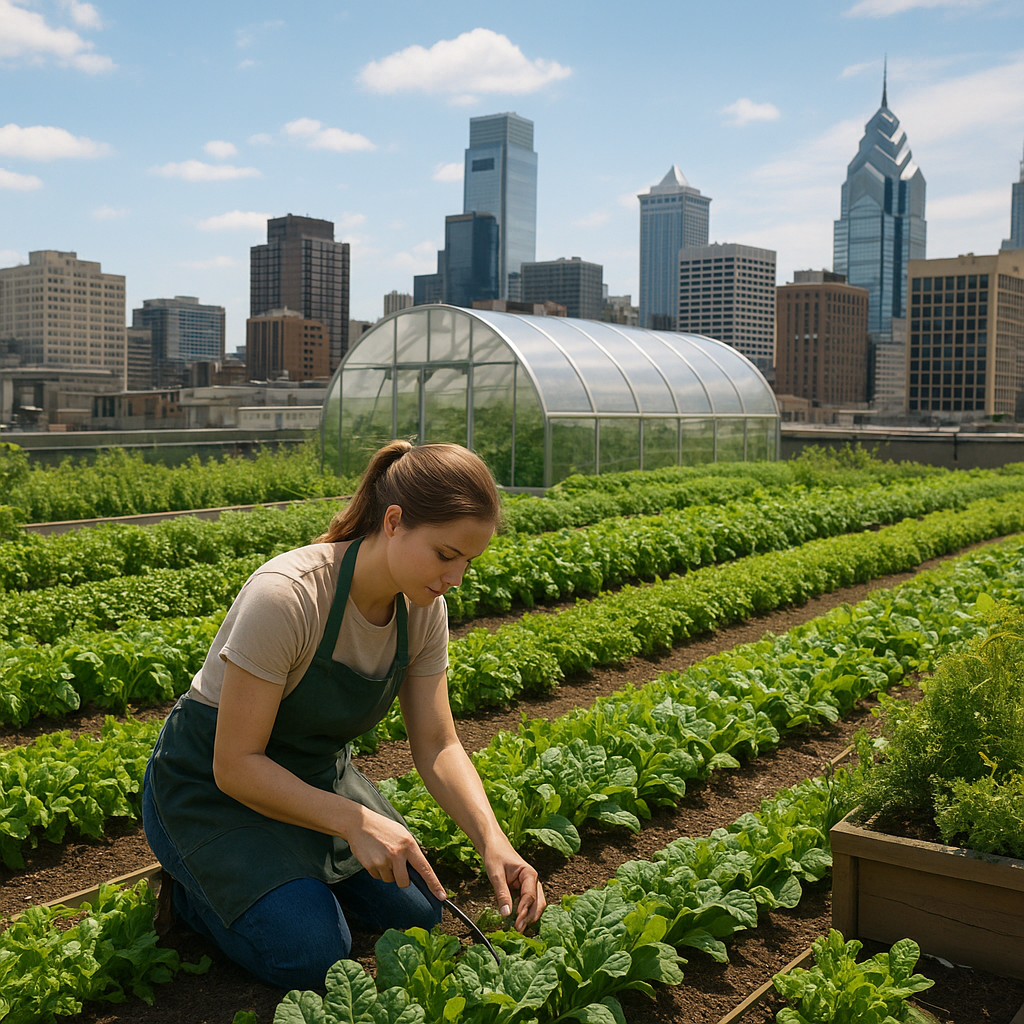
Urban centers across the globe are increasingly transforming rooftops, abandoned lots, and vertical spaces into productive green landscapes. This shift is driven by a growing desire for local food production, environmental resilience, and community empowerment. The following sections explore how cutting-edge farming models are redefining the relationship between cities and agriculture, paving the way for more self-reliant metropolitan regions.
The Evolution of Farming in Urban Landscapes
The journey from rural fields to concrete jungles has accelerated in recent years. Traditional agriculture, once confined to sprawling countryside estates, is now intertwined with city planning. This transition has been propelled by the need to reduce food miles, address supply chain vulnerabilities, and integrate nature into densely populated environments. Urban agriculture no longer means simply planting a community garden; it encompasses a spectrum of advanced systems such as hydroponics, aeroponics, and vertical farming.
These methods have fundamental advantages over conventional soil-based farming. They offer higher yields per square meter, controlled use of resources, and the elimination of many pests and pathogens. While early attempts at city-based cultivation focused on ornamental plants, innovative entrepreneurs and research institutions soon recognized the potential for producing vegetables, herbs, and even fruits in enclosed structures. Today’s urban farmers leverage technology to monitor water quality, nutrient levels, and plant growth cycles with unparalleled precision.
Key Milestones in Urban Agriculture
- 1970s: Community gardens emerge as grassroots responses to food deserts.
- 1990s: Pilot hydroponic systems demonstrate soil-less cultivation viability.
- 2000s: First commercial vertical farms open in Asia and North America.
- 2010s: Integration of smart sensors and IoT devices into urban farms.
- 2020s: Widespread adoption of modular, scalable city farming units.
Innovative Techniques Driving Self-Sufficiency
Modern urban farms employ a variety of groundbreaking approaches to maximize yield and minimize footprint. Among the most transformative are:
- Vertical Farming: Stacking layers of crops in controlled environments to boost productivity and save land.
- Hydroponics: Growing plants with nutrient-rich water solutions, eliminating the need for soil.
- Aeroponics: Delivering nutrients via mist, reducing water usage by up to 98% compared to traditional agriculture.
- Aquaponics: Combining fish farming with plant cultivation in a symbiotic system that recycles waste as fertilizer.
- Controlled Environment Agriculture (CEA): Utilizing LED lighting, climate control, and automation for year-round production.
These methods are anchored in the principle of sustainability. By recirculating water, reusing energy, and harnessing renewable power sources like solar and wind, urban farmers minimize their ecological footprint. In densely populated areas where land is scarce, high-density systems not only produce more food per square meter but also contribute to improved air quality and reduced urban heat islands.
Smart Infrastructure and Automation
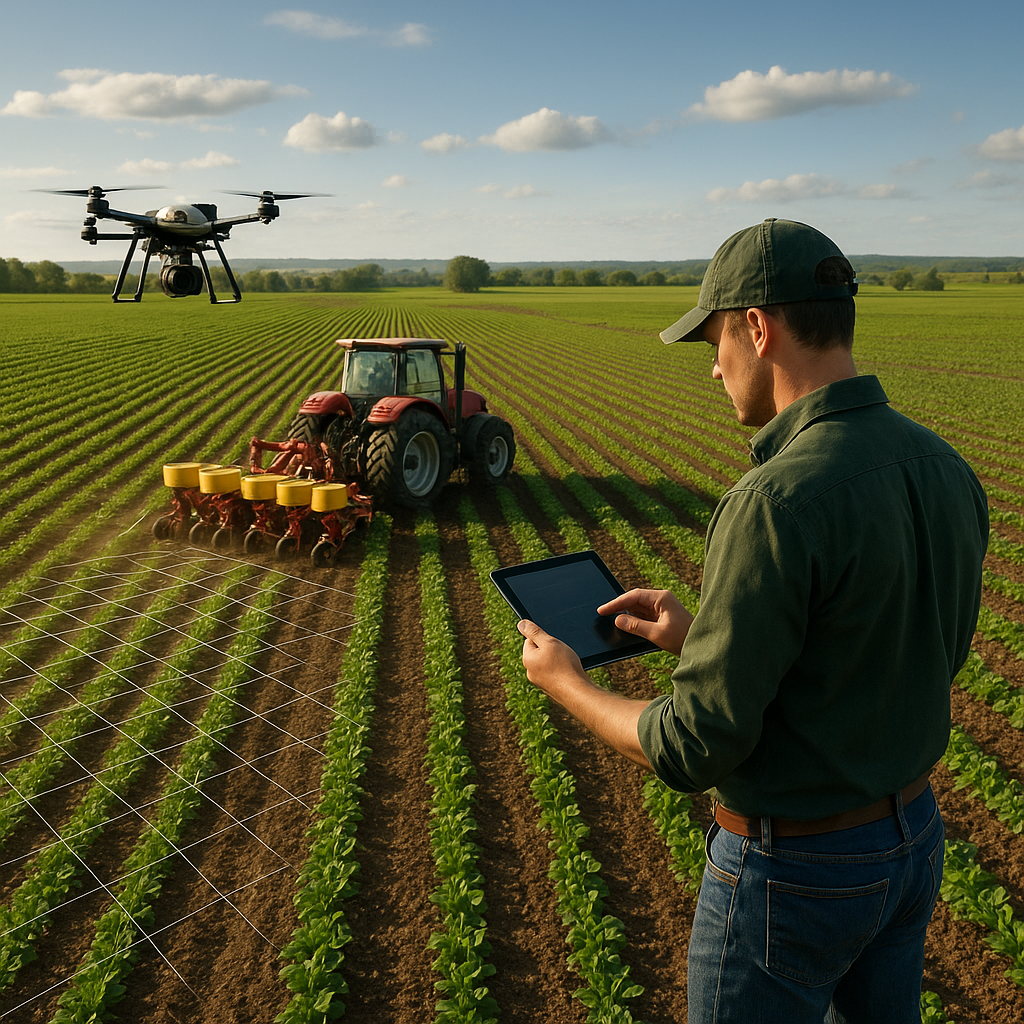
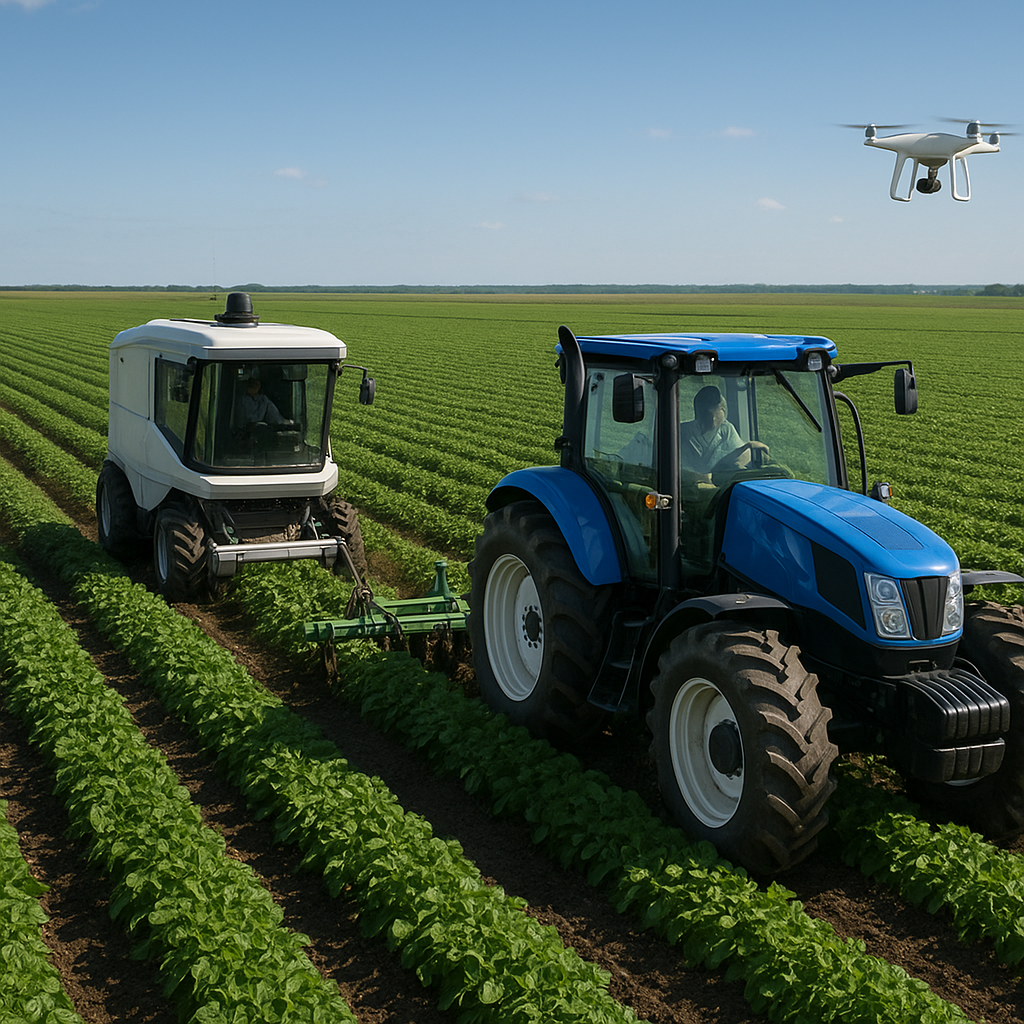
Integration of technologies such as artificial intelligence, machine learning, and robotics has revolutionized urban farming. Automated planting robots, AI-powered pest detection, and remote monitoring dashboards allow operators to manage large installations with minimal labor. Sensors track environmental variables—temperature, humidity, pH levels—and adjust conditions in real time. This precision agriculture approach ensures optimal growth, consistent yields, and reduced waste.
Socioeconomic and Environmental Impacts
Urban farming initiatives yield benefits that extend beyond mere food production. They catalyze community engagement, offer educational opportunities, and create new economic avenues. Local governments, non-profit organizations, and private enterprises are collaborating to establish farms in underserved neighborhoods, turning vacant urban plots into hubs of productivity and learning.
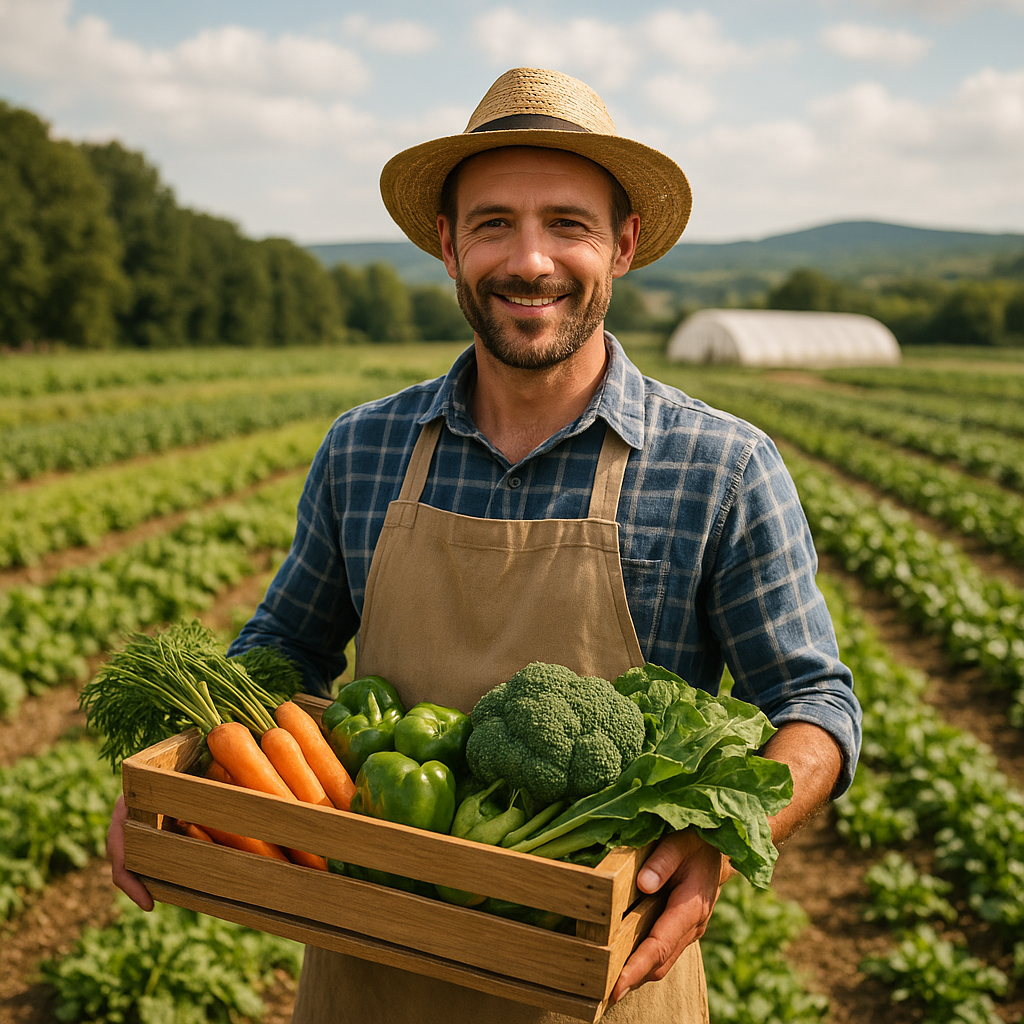
By producing fresh produce within city limits, these models significantly reduce food insecurity. Grocers and restaurants can source ingredients locally, supporting shorter supply chains and lower transportation emissions. Additionally, job creation in these niche sectors—from farm technicians to agronomists—stimulates local economies and fosters skill development in agricultural science and technology.
- Improved access to fresh, nutrient-dense food in inner-city districts.
- Reduction of carbon footprint through localized production and distribution.
- Enhanced social cohesion via volunteer programs and educational workshops.
- Urban beautification and increased biodiversity through green installations.
Environmental monitoring has revealed that vertical farms and green rooftops can lower ambient temperatures by several degrees, helping cities adapt to rising global temperatures. Furthermore, these projects often incorporate rainwater harvesting and composting systems, turning waste into resources. The circular economy model embedded in many urban farms underscores their role as engines of both ecological restoration and social innovation.
Future Prospects and Challenges
While the momentum behind urban agriculture is undeniable, several hurdles remain. Initial capital investments for constructing controlled growing environments can be substantial. Securing permits, navigating building codes, and ensuring food safety compliance add layers of complexity. However, innovative financing strategies—such as public-private partnerships and impact investors—are bridging funding gaps.
Scalability is another critical concern. Small pilot projects often demonstrate success, but transitioning to large-scale operations requires robust business models that balance production costs with market prices. Advances in modular design and mass-produced cultivation units are driving down expenses, making expansion more viable.
The sector’s future also hinges on public perception and policy support. Educating consumers about the safety, taste, and nutritional value of urban-grown produce is essential for market acceptance. Meanwhile, policymakers must develop frameworks that integrate urban farms into zoning regulations and incentivize green development. In this context, collaboration between municipal authorities, academic institutions, and industry stakeholders will be vital.
Emerging Trends to Watch
- Hybrid farms combining greenhouse and rooftop operations.
- Integration of blockchain for transparent supply chain tracking.
- Development of edible packaging grown alongside crops.
- Expansion of biofortified plants to address micronutrient deficiencies.
- Use of drones for pollination and crop monitoring in urban settings.
As technology continues to evolve, new farming models will likely become more accessible and efficient. The innovations sprouting in city centers today could redefine agriculture on a global scale, creating resilient food networks that withstand climate shocks and geopolitical disruptions. By embracing these approaches, urban areas can not only feed their residents but also cultivate healthier, more connected communities.