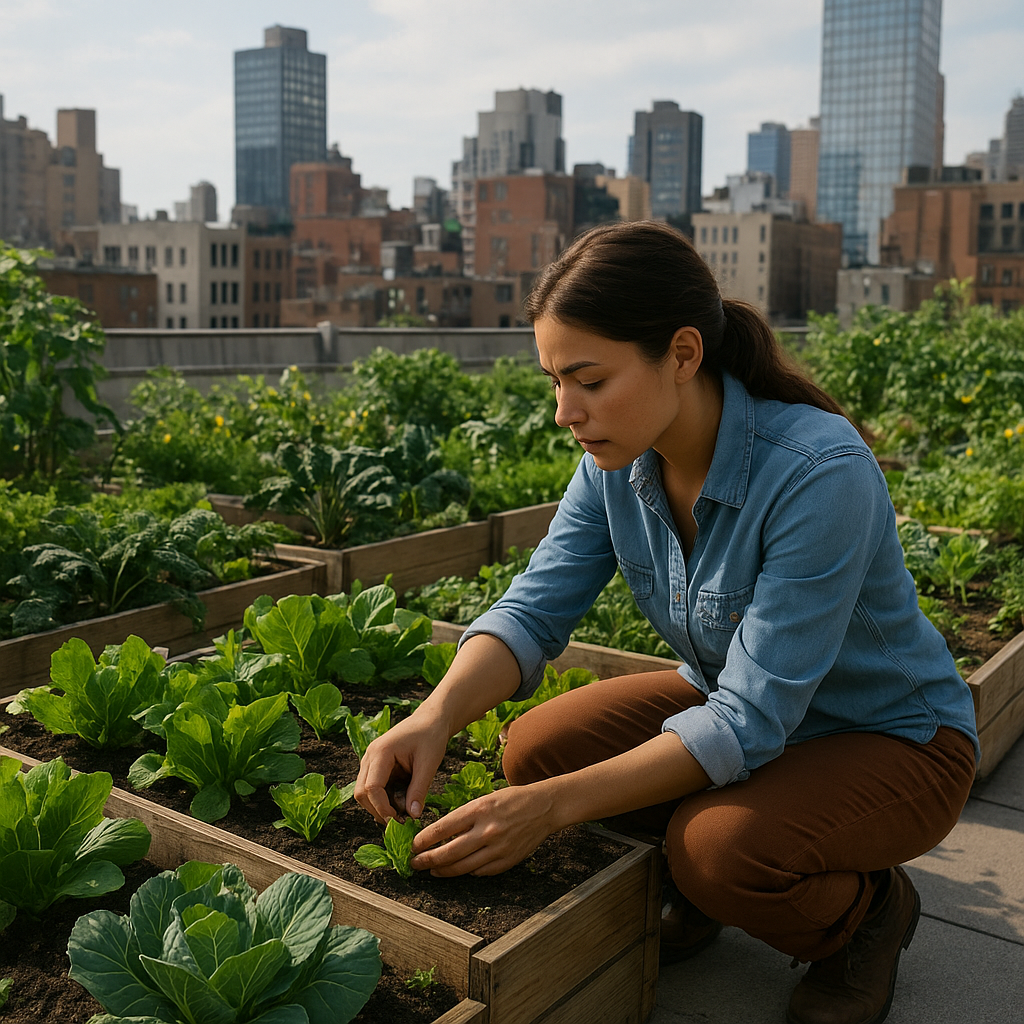
Urban micro-farming has emerged as a transformative approach to modern agriculture, integrating small-scale food production directly into city landscapes. This movement not only addresses pressing issues of sustainability and food security but also fosters stronger social bonds and economic resilience among diverse urban communities. As rooftop gardens, vertical farms, and community plots proliferate from New York to Nairobi, a global network of innovative growers is reshaping the future of how cities feed themselves.
Urban Micro-Farming: An Overview
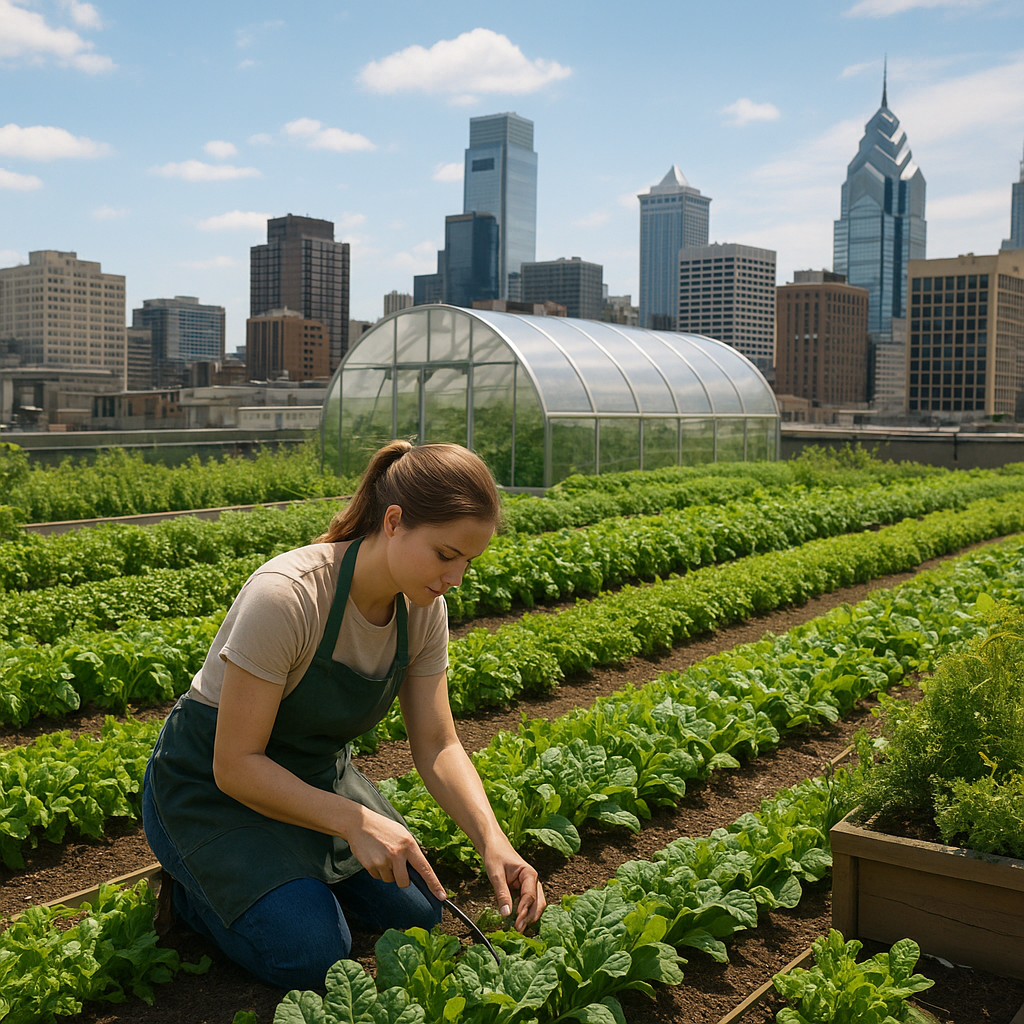
Across continents, urban micro-farming projects are converting vacant lots, balconies, and rooftops into productive green spaces. These initiatives range from simple container gardens in apartment complexes to high-tech greenhouses integrated into commercial buildings. By embracing urban agriculture, city dwellers combat limited access to fresh produce while reducing the carbon footprint associated with long-distance food transport.
Key drivers behind the surge of micro-farms include:
- Growing demand for locally sourced, pesticide-free produce
- Heightened awareness of dietary health and nutrition
- Innovations in low-space cultivation methods
- Municipal policies supporting green infrastructure
Municipalities from Tokyo to São Paulo have begun offering incentives—such as subsidies or tax breaks—to encourage property owners to establish gardens. Meanwhile, non-profit organizations often collaborate with local schools and senior centers to introduce gardening workshops, underscoring the role of agriculture in education and mental wellness.
Innovative Techniques and Technologies
Technological advances have accelerated the micro-farming revolution. Modern growers employ a variety of methods to maximize yield in confined urban environments. Among the most prominent are:
- Hydroponics: Cultivating plants in nutrient-rich water solutions, eliminating the need for soil and enabling precise control over nutrient delivery.
- Aquaponics: Combining fish farming with plant cultivation, this system recirculates water between a fish tank and a plant bed, creating a mutually beneficial cycle.
- Vertical farming: Utilizing stacked layers or towers to grow crops upward rather than outward, drastically increasing output per square meter.
- Container gardening: Portable planters and modular grow bags that can be arranged on balconies or patios, ideal for renters and homeowners alike.
Smart Monitoring and Automation
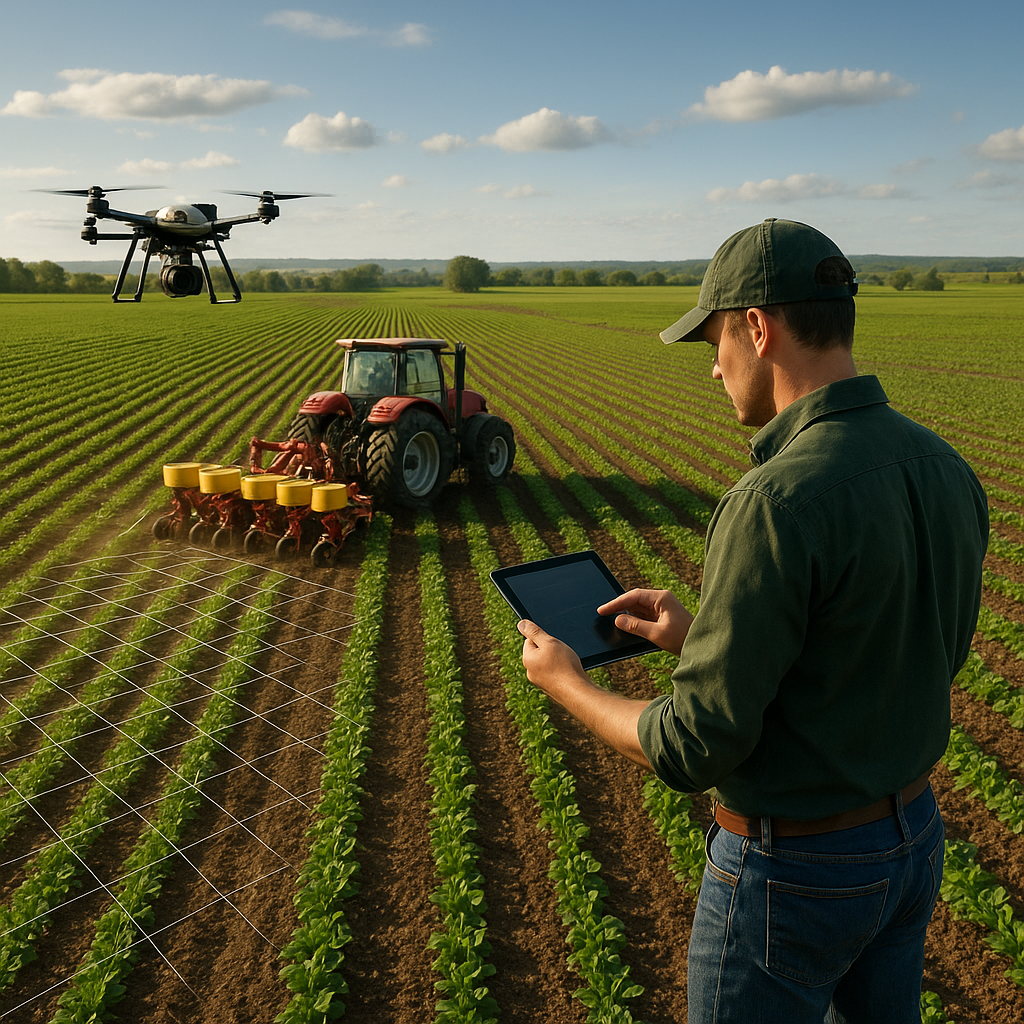
IoT devices and sensor networks now enable remote monitoring of temperature, humidity, and nutrient levels. Automated irrigation systems respond to real-time data, ensuring optimal soil health and reducing water waste. In some high-end facilities, AI algorithms predict plant growth patterns and adjust lighting schedules accordingly, boosting productivity and minimizing labor costs.
Alternative Growth Media
Beyond traditional dirt and water, urban farmers experiment with coconut coir, vermiculite, and rock wool to support root systems. These mediums improve aeration and moisture retention, fostering robust root development, which in turn translates to healthier foliage and better yields.
Community Impact and Global Trends
Micro-farms not only supply fresh produce but also strengthen the social fabric of neighborhoods. Communal gardens become hubs for intergenerational learning, where elders share agricultural wisdom with younger volunteers. The collective effort fosters a sense of ownership and pride while promoting environmental stewardship.
Internationally, several compelling case studies illustrate the versatility of urban micro-farming:
- In Nairobi’s Kibera slum, rooftop gardens help families supplement diets with leafy greens, combating malnutrition and generating small-scale income.
- Seoul‘s public schools maintain hydroponic labs, integrating hands-on gardening modules into science curricula to ignite students’ passion for biodiversity.
- London’s floating farms utilize barges on the Thames to cultivate lettuce and herbs, reducing land use and engaging waterfront communities.
- In Melbourne, pop-up micro-farm markets rotate across neighborhoods, showcasing seasonal harvests grown just blocks away from consumers.
These initiatives demonstrate that urban micro-farming transcends climate zones, cultural contexts, and economic strata. Whether in temperate Europe or tropical South America, the core principles remain consistent: harnessing innovative tools to empower local growers, promoting resilience, and minimizing ecological impact.
Economic and Environmental Benefits
Micro-farming generates economic opportunities by creating new green jobs—ranging from crop technicians to supply chain coordinators. Local entrepreneurs often produce value-added goods such as artisanal jams, micro-green mixes, and herbal teas, further diversifying urban economies.
On the environmental front, cities incorporating green roofs and garden walls experience improved air quality and reduced urban heat island effects. Rainwater harvesting systems integrated into micro-farm infrastructure help manage stormwater runoff, lowering the burden on municipal drainage networks.
Overcoming Challenges
Despite its promise, urban micro-farming faces obstacles:
- Regulatory hurdles: Zoning laws and building codes may restrict agricultural use of private and public spaces.
- Initial investment: High-tech setups can require substantial capital before becoming profitable.
- Pest and disease management: Dense planting in urban settings necessitates vigilant monitoring to prevent outbreaks.
- Knowledge gaps: New practitioners often lack experience in optimizing systems for local climates.
Addressing these challenges requires collaboration between policymakers, educational institutions, and community groups. Training programs and pilot projects help newcomers gain practical skills, while clear guidelines from city planners facilitate safe and compliant farm installations.
Future Horizons
As research and development intensify, the next wave of micro-farming will push boundaries even further. Experimental initiatives include:
- Bioengineered seeds tailored for high-density urban environments
- Renewable energy–powered greenhouses using solar panels and geothermal pumps
- Modular farming units that can be shipped and assembled in emergency response zones
- Blockchain-enabled supply chains to ensure transparency from seed to table
By weaving agriculture directly into the urban fabric, micro-farming embodies the spirit of innovation and reinforces the value of local production. As cities continue to expand, these tiny farms will play an outsized role in nourishing populations, restoring ecosystems, and forging stronger community ties across the globe.