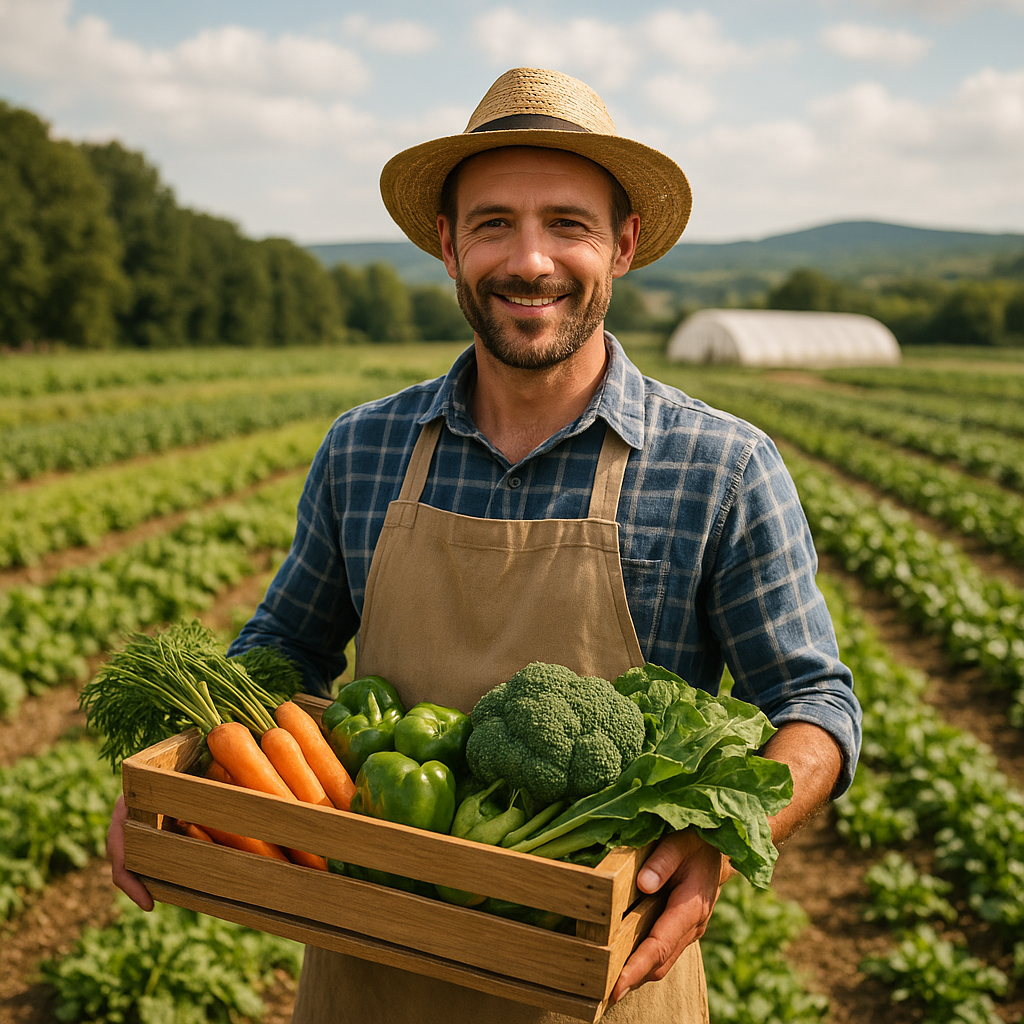
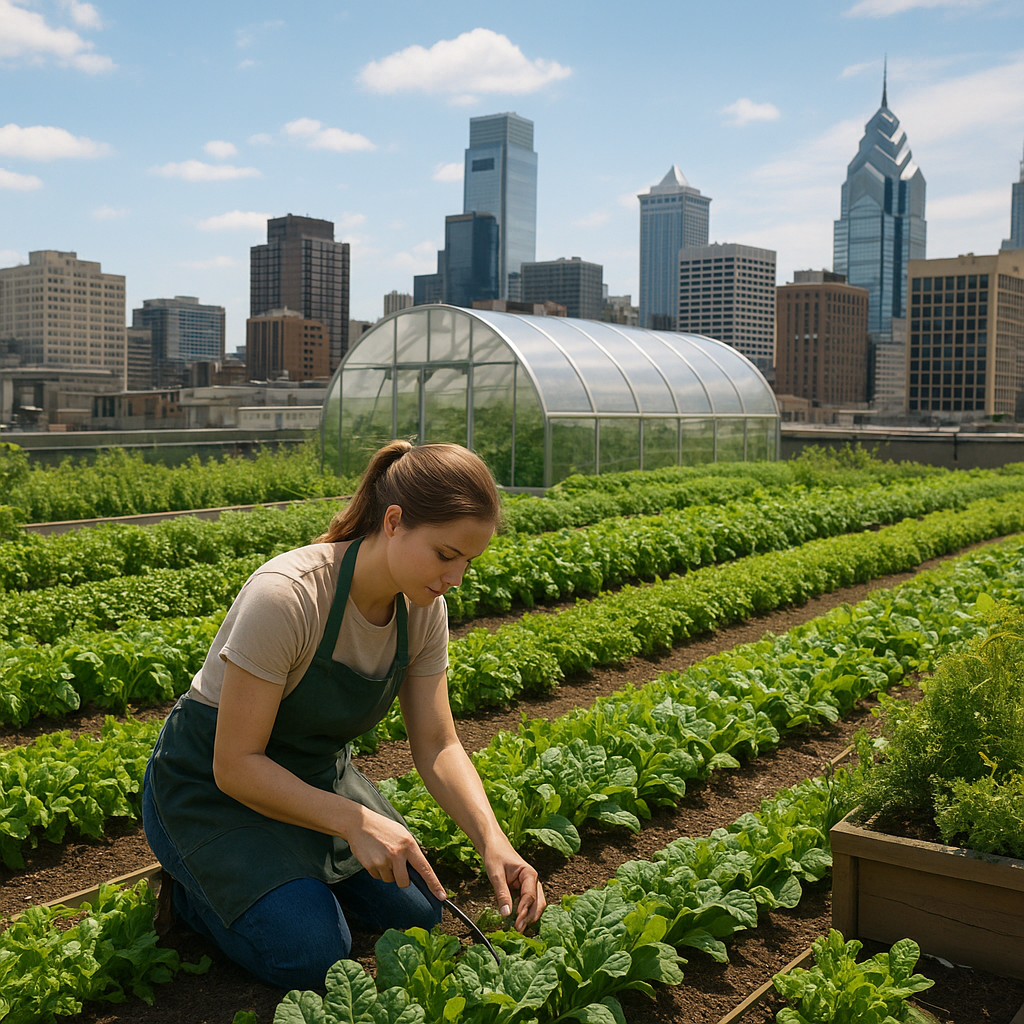
The growing emphasis on shortening supply chains has propelled small-scale producers into the spotlight. Local farms offer an array of advantages beyond fresh produce, impacting environmental footprints, economic opportunities, and community well-being. By integrating innovative practices and forging direct connections with consumers, these farms are crucial in reducing the distance food travels, while boosting regional resilience and fostering a deeper appreciation for where our meals originate.
Local Farms and Global Sustainability
Local agriculture is at the heart of a shift toward more sustainable food systems. Unlike industrial operations that ship products across continents, regional farms prioritize nearby markets, dramatically cutting transportation times and costs. Reduced distances translate directly into lower carbon footprint and fewer emissions, mitigating climate change risks. Moreover, when growers adopt regenerative methods—such as crop rotation, cover cropping, and minimal tillage—they enhance soil health, sequester carbon, and preserve water resources.
Integrating perennial plants and agroforestry can amplify these benefits. Trees and shrubs interspersed with annual crops create diverse habitats, encouraging pollinators and natural predators that help control pests. This approach bolsters biodiversity on farmland, ensuring ecosystems remain robust in the face of droughts, floods, or disease outbreaks. By combining environmental stewardship with market-driven goals, local farms demonstrate that profitability and planetary health can coexist.
Technological Innovations in Farming
While the image of a small farm often evokes traditional tools, modern technology is rapidly reshaping even the most modest operations. Precision agriculture techniques—like soil sensors, GPS-guided equipment, and drone mapping—optimize water usage, fertilizer applications, and yield predictions. Such innovations enable farmers to fine-tune inputs, reducing waste and preserving resources. Automated greenhouse systems monitor humidity, temperature, and light levels to maintain ideal growing conditions, extending harvest seasons and stabilizing output.
- Smart Irrigation: Soil moisture sensors link to drip networks, providing crops just the right amount of water to maximize growth and minimize runoff.
- Renewable Energy Integration: Solar panels and small-scale wind turbines can power barns, irrigation pumps, and lighting, cutting reliance on fossil fuels.
- Cold Chain Management: Advanced refrigeration units and real-time monitoring ensure perishable items maintain peak quality from farm gate to consumer.
These systems support stronger resilience against market fluctuations and extreme weather patterns. In some regions, farmers even employ blockchain-based platforms to document every stage of production, offering complete provenance for each item sold. Consumers value transparency, and knowing exactly where their food comes from fosters trust and willingness to pay premium prices for guaranteed quality and ethical practices.
Community Engagement and Policy Support
Thriving local agriculture hinges not only on individual farmers but on collective actions that reinforce regional food networks. Farmers’ markets, community-supported agriculture (CSA) programs, and farm-to-school initiatives establish direct relationships between producers, retailers, and end-users. Consumers receive fresher, more flavorful produce while sharing in the risks and rewards of each harvest. These models distribute profits more equitably, ensuring smallholders can remain profitable despite competition from large-scale distributors.
Public policy and private investment play pivotal roles in scaling up these successes. Grants, low-interest loans, and tax incentives empower new entrants to cover start-up costs, purchase land, and invest in infrastructure such as cold storage or packing facilities. Zoning laws and urban planning can designate spaces for community gardens and micro-farms, integrating greenery into cities and offering educational opportunities. Such regulations help overcome one of the biggest hurdles faced by local producers: efficient distribution to diverse customer bases.
Local governments and non-governmental organizations often provide resources like workshops in soil health, marketing, and cooperative management. Mentorship programs connect seasoned family farms with younger generations or immigrants equipped with novel agricultural knowledge. Through these networks, small-scale growers exchange best practices, troubleshoot challenges, and advocate collectively for better water rights and equitable trade policies.
Economic and Social Impacts
Beyond environmental gains, local farms contribute significantly to community prosperity. By employing regional labor, they circulate capital within neighborhoods, supporting ancillary businesses from equipment suppliers to local eateries. Visitors to farmers’ markets frequently patronize nearby shops and eateries, amplifying the economic multiplier effect. Moreover, agritourism—farm stays, pick-your-own fruit experiences, and educational tours—provide supplementary revenue streams, diversifying farm incomes and strengthening ties with urban dwellers.
Such interactions spark a renewed appreciation for the agricultural heritage that sustains humanity. When families bring children to the barnyard or help harvest root vegetables, they develop a lifelong awareness of how food is grown and why environmental care matters. These formative experiences often translate into more conscientious consumer behavior, from reducing food waste to supporting ethical supply chains.
Challenges and Future Directions
Despite impressive gains, local farms face ongoing challenges: land access, labor shortages, climate uncertainty, and fluctuating market demands. Realizing the full potential of regional agriculture demands integrated solutions. Collaborative platforms that connect producers with logistical partners can streamline delivery, lowering unit costs. Digital marketplaces tailored to smallholders can aggregate consumer orders, enabling bulk shipping at favorable rates.
Investing in farmworker training and fair wage policies helps cultivate a stable workforce, reducing turnover and improving operational efficiency. Research institutions can partner with growers to trial climate-resistant crop varieties and innovative pest control strategies. By fostering an environment where resilience and adaptability are rewarded, stakeholders ensure that local agriculture continues to thrive under evolving circumstances.
Ultimately, bridging the gap between farm and table relies on a shared commitment: governments, businesses, communities, and individuals all play roles in sustaining shorter, more transparent supply chains. Local farms exemplify how focused efforts at the grassroots level ripple outward, offering solutions to global issues of food security, environmental degradation, and social equity. Embracing these models paves the way for a healthier planet and more connected, empowered societies.