The intensifying strain on freshwater resources has become a defining challenge for agriculture across continents. With shifting rainfall patterns, rising temperatures, and growing populations, farmers must rethink age-old methods and embrace new approaches to ensure food security and protect fragile ecosystems. This article explores how water crises are reshaping farming practices, from advanced technologies to community-driven conservation efforts, and highlights the pathways toward a more resilient future for global agriculture.
Water Scarcity Trends in Agriculture Globally
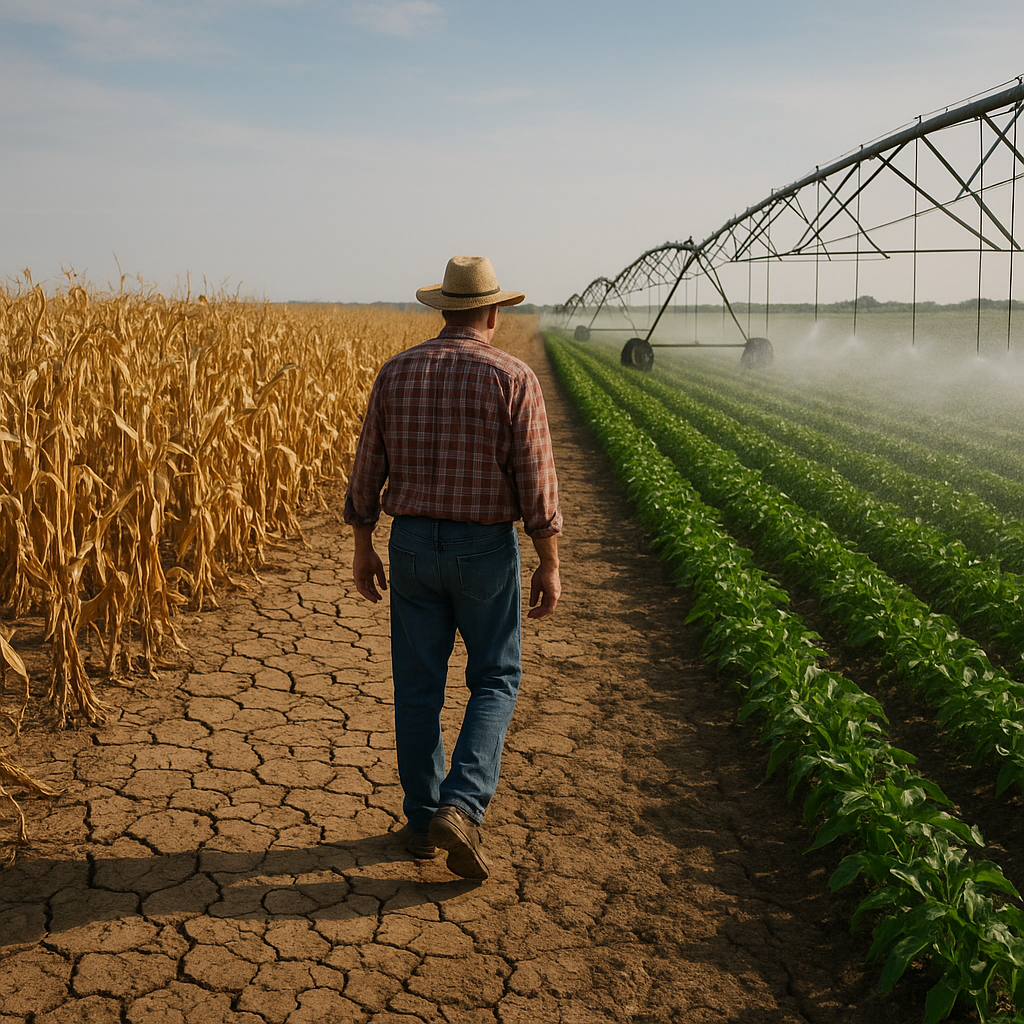
Regions from the American Midwest to sub-Saharan Africa are recording unprecedented levels of water stress. Drought frequency has surged, reducing river flows and emptying reservoirs once deemed reliable. According to recent studies, over 40 percent of agricultural land now experiences moderate to high water stress, forcing farmers to contend with unpredictable growing seasons and diminished yields.
Several interconnected factors drive this trend:
- Climate Change: Elevated temperatures increase evaporation rates and shift precipitation patterns, intensifying aridity in already vulnerable zones.
- Population Growth: An expanding global population demands more food and, consequently, more irrigation water, placing pressure on limited supplies.
- Urbanization: As cities expand, competition between urban and rural water users heightens, often sidelining agricultural needs.
- Pollution and Over-extraction: Industrial discharge and excessive pumping of groundwater degrade water quality and deplete aquifers faster than natural recharge can occur.
Technological Innovations and Irrigation Strategies
Adapting to water scarcity requires harnessing innovation in irrigation and resource management. Modern solutions aim to maximize efficiency, reduce waste, and tailor water delivery to precise crop requirements.
Precision Irrigation Systems
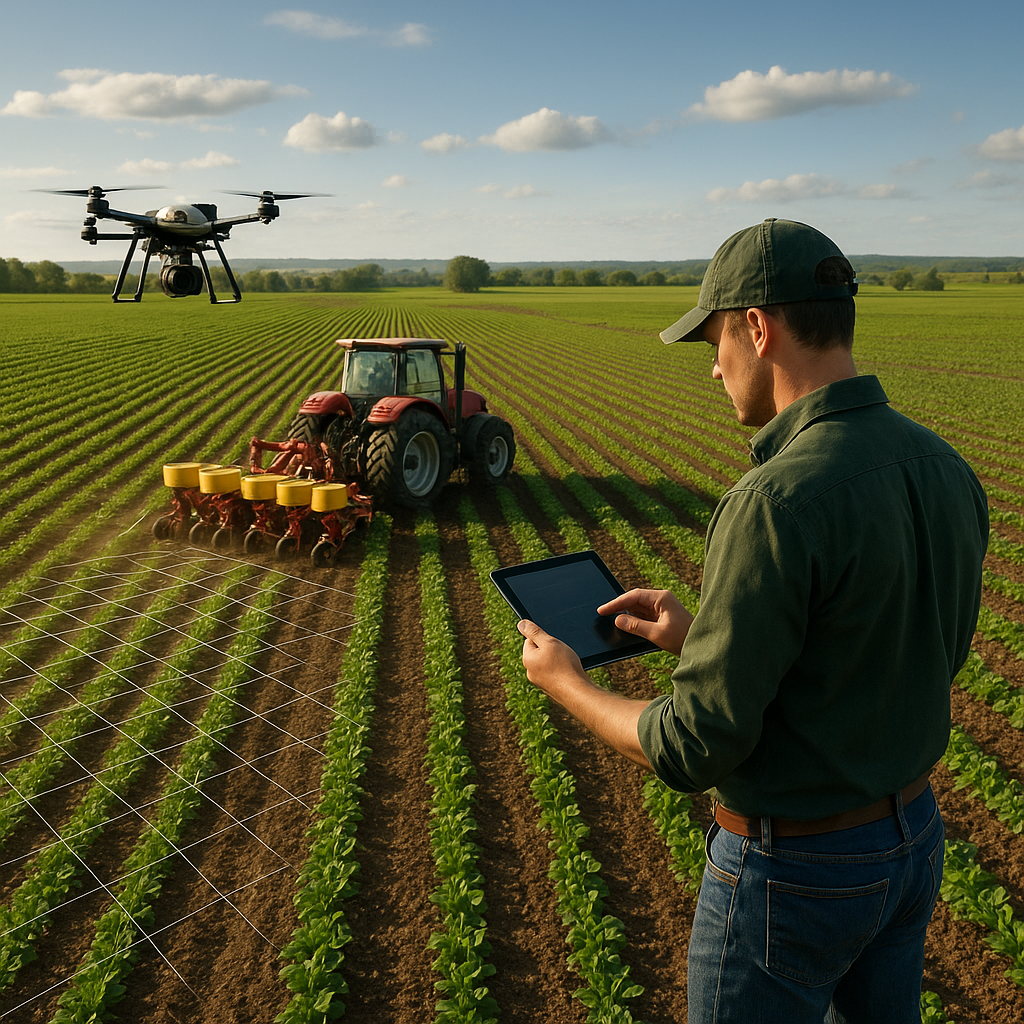
By integrating soil moisture sensors, weather forecasts, and data analytics, precision irrigation tailors water application to the actual needs of crops. Drip systems and microsprinklers deliver water directly to the root zone, cutting losses from evaporation and runoff. Farmers monitor real-time data via smartphone apps, adjusting schedules dynamically based on field conditions.
Smart Sensor Networks and IoT
Internet of Things (IoT) devices enable continuous monitoring of soil salinity, nutrient levels, and microclimates. When paired with automated valves and pumps, these networks optimize water distribution, reduce manual labor, and lower operational costs. Regions plagued by saline intrusion—where over-pumping allows seawater to penetrate coastal aquifers—have seen marked improvements in yield and water quality.
Agroecological Practices and Water Conservation
Beyond high-tech solutions, many farmers are returning to time-tested agroecological methods that nurture soil health and enhance the natural water-holding capacity of farmlands.
- Mulching: Organic or synthetic mulches cover soil surfaces, suppressing weeds, reducing evaporation, and maintaining stable temperatures.
- Cover Crops: Planting legumes, grasses, or brassicas during off-seasons prevents erosion, improves soil structure, and promotes rainfall infiltration.
- Contour Farming and Terracing: On sloped terrain, reshaped fields slow water runoff, allowing greater absorption and reducing erosion.
- Agroforestry: Integrating trees with crops or livestock enhances shade, modifies local microclimates, and cycles water more effectively through deeper root systems.
Socioeconomic Impacts on Farmers and Rural Communities
Water shortages disproportionately affect smallholder farmers, who often lack capital to invest in advanced systems. Reduced yields can plunge families into poverty, triggering rural-to-urban migration and exacerbating social inequalities.
Key social and economic consequences include:
- Loss of Livelihoods: Crop failures force farmers to seek off-farm labor, disrupting cultural ties and traditional knowledge systems.
- Gender Disparities: In many regions, women bear the burden of securing water for both household and farm use, limiting their educational and economic opportunities.
- Food Price Volatility: Lower production drives up market costs, affecting consumers globally—particularly vulnerable populations in low-income nations.
- Conflict and Migration: Competition over dwindling water sources can fuel local conflicts and trigger cross-border movements.
Policy Responses and International Cooperation
Addressing water crises in agriculture demands coordinated action by governments, non-governmental organizations, and the private sector. A multi-tiered policy framework can foster equitable access, incentivize sustainability, and catalyze investment.
Water Pricing and Allocation Reforms
Implementing transparent water pricing encourages efficient use by attaching economic value to a scarce resource. Tiered pricing structures can be designed to protect basic needs while charging higher rates for intensive industrial or luxury irrigation.
Subsidies and Incentives for Conservation
Grants and low-interest loans for installing drip irrigation, rainwater harvesting systems, or soil moisture monitoring devices can accelerate adoption. Performance-based incentives reward farmers for measurable reductions in water use and improvements in water quality.
Cross-Border River Basin Management
Transboundary rivers like the Nile, Mekong, and Indus require joint management frameworks to balance upstream and downstream needs. International treaties and dispute resolution mechanisms help prevent unilateral diversions and foster data sharing on flow rates and ecosystem health.
Building Farm-Level Resilience Through Adaptation
Farmers are increasingly diversifying their approaches to hedge against water uncertainty and strengthen overall resilience.
Crop Diversification and Drought-Resistant Varieties
Planting a mix of cash crops, legumes, and forage species reduces the risk of total crop failure in dry spells. Breeders have developed drought-tolerant hybrids that sustain yields with up to 50 percent less water than conventional varieties.
Rainwater Harvesting and Storage
On-farm ponds, tanks, and recharged reservoirs capture seasonal rains for use during dry months. Simple rooftop catchment systems on barns and sheds can supply supplementary irrigation or livestock water without tapping expensive groundwater.
Community-Based Water User Associations
Local cooperatives manage shared canals, pumps, or storage facilities, pooling resources for maintenance and equitable distribution. Through collective decision-making, members resolve conflicts and invest in communal infrastructure upgrades.
Emerging Trends and Future Directions
Looking ahead, several cutting-edge developments promise to further transform agriculture’s water footprint:
- Satellite Monitoring and AI: High-resolution imagery and machine learning models will predict water stress, plant health, and yield forecasts with unprecedented accuracy.
- Desalination and Solar Pumps: Powered by renewable energy, these systems could provide affordable irrigation water in coastal and arid zones, reducing reliance on finite aquifers.
- Biotechnological Solutions: Gene editing tools like CRISPR enable the creation of crops with enhanced water-use efficiency, improved root architecture, and greater tolerance to heat.
- Circular Water Economies: Recycling treated wastewater for agriculture and integrating aquaculture with rice paddies or greenhouses to create closed-loop nutrient and water cycles.
Conclusion
Water scarcity poses a multifaceted challenge that reverberates through agricultural production, rural livelihoods, and global food systems. By combining technological innovation, traditional agroecological practices, and robust policy frameworks, stakeholders can foster lasting conservation and equitable resource access. Empowering farming communities with knowledge, finance, and collaborative institutions will be critical to ensuring that crops continue to thrive, ecosystems remain balanced, and future generations can rely on a secure global food supply.