Genetic modification has become an essential tool in transforming the global agricultural landscape. By leveraging cutting-edge biotechnology, farmers can cultivate crops that withstand extreme conditions, enhance nutritional profiles, and deliver higher yield potentials. As governments and organizations confront escalating food demand, the adoption of genetically modified solutions offers a path to greater sustainability and food security. This article explores the role of genetic modification in world farms, its impact on diverse ecosystems, and the promise it holds for the future of agriculture.
Advancements in Agricultural Biotechnology
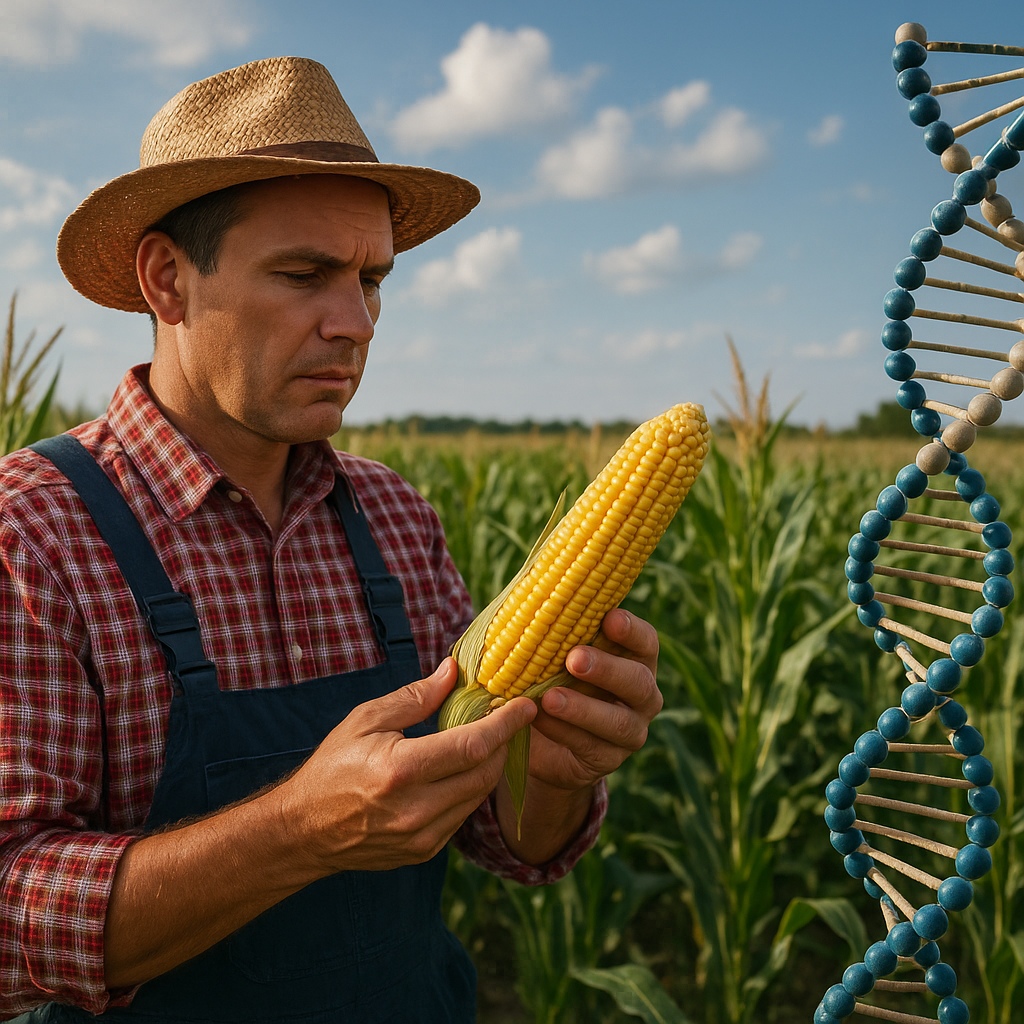
The rapid evolution of innovation in agricultural science has ushered in a new era of genetically enhanced crops. These modifications involve inserting specific genes into plant genomes to confer desired traits such as pest resistance, improved nutrient content, and climate adaptability. Modern techniques like CRISPR-Cas9 genome editing allow precise alterations without introducing foreign DNA, making the process more efficient and targeted.
Major crop species such as maize, rice, and soybeans have undergone extensive genetic enhancements. For example, Bt maize carries a gene from the bacterium Bacillus thuringiensis, enabling plants to produce a protein toxic to certain insect pests. This trait reduces the reliance on chemical pesticides and promotes better soil health. Similarly, Golden Rice has been engineered to produce beta-carotene, a precursor of vitamin A, addressing deficiencies in regions where rice is a staple food.
Key Techniques in Crop Engineering
- Transgenic methods that introduce genes from different species
- Genome editing tools like CRISPR, TALENs, and ZFNs for precise gene knockouts or insertions
- RNA interference (RNAi) to silence undesirable gene expression
- Marker-assisted selection to accelerate traditional breeding programs
Through these approaches, researchers can develop varieties resistant to drought and diseases, thereby improving the resilience of global food systems. Enhanced crops also exhibit elevated levels of micronutrients, combating malnutrition in vulnerable populations.
Addressing Climate Change and Food Security
Climate change poses one of the greatest threats to agriculture, with rising temperatures, shifting precipitation patterns, and more frequent extreme weather events. Farmers around the world face shrinking arable land and unpredictable growing seasons. Genetic modification offers solutions by enabling crops to thrive under stress and by adapting to new environmental contexts.
For instance, heat-tolerant varieties of wheat have been developed to maintain grain formation at higher temperatures, securing harvests in regions experiencing heatwaves. Similarly, salt-tolerant rice cultivars help farmers in coastal areas and regions affected by soil salinization. These innovations contribute to national and global food reserves by protecting yields against climatic disruptions.
Enhancing Drought and Flood Tolerance
- Engineering drought-responsive genes to improve water-use efficiency
- Introducing traits for root architecture modulation to access deeper soil moisture
- Developing flood-tolerant crops that can survive submerged conditions
By focusing on stress tolerance, genetic modification addresses both immediate yield losses and long-term productivity challenges. Integrating these traits into staple crops supports global initiatives like the United Nations Sustainable Development Goal of zero hunger.
Economic and Environmental Impacts
The adoption of genetically modified crops has reshaped agricultural economics. Farmers cultivating herbicide-tolerant plants can implement conservation tillage systems, reducing labor, fuel consumption, and soil erosion. This practice also sequesters carbon in the soil, contributing to climate mitigation efforts.
Furthermore, reduced pesticide use lowers input costs and minimizes environmental pollution. A study in multiple countries reported that GM insect-resistant crops decreased pesticide applications by up to 40%, resulting in significant health and ecological benefits. Farmers experience higher net incomes due to both increased productivity and reduced expenditure on agrochemicals.
Supporting Biodiversity and Ecosystems
- Reduced chemical dependence helps protect pollinators and beneficial insects
- Conservation agriculture practices preserve wildlife habitats
- Biotech crops lower the environmental footprint of large-scale farming
While concerns about biodiversity exist, ongoing research aims to ensure that genetically modified organisms coexist with natural ecosystems. Strategies such as gene flow containment, refuge planting, and post-market surveillance are implemented to mitigate potential risks.
Future Prospects for Global Farming
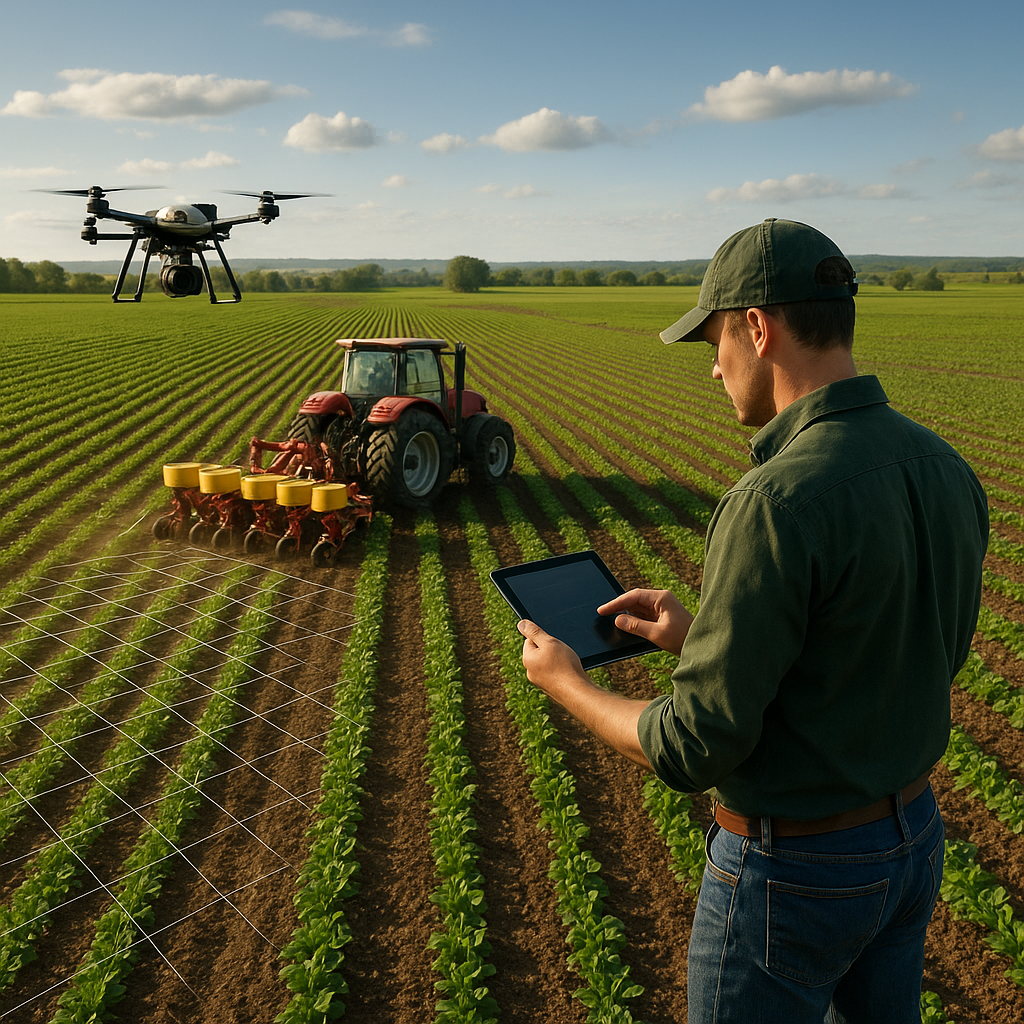
Looking ahead, the integration of genetic modification with digital farming and precision agriculture will revolutionize how crops are managed. Data-driven systems can monitor crop performance in real time, enabling farmers to apply targeted interventions at optimal moments. Coupled with enhanced varieties, this approach will maximize resource efficiency and minimize waste.
Emerging trends include the development of biofortified fruits and vegetables enriched with vitamins and antioxidants, addressing lifestyle diseases and nutrient deficiencies. Additionally, synthetic biology is poised to create entirely novel crop species with traits unimaginable a decade ago. These breakthroughs promise to make agriculture more sustainable, equitable, and resilient.
As global populations continue to grow, embracing genetic modification on farms worldwide will be pivotal in ensuring that communities have access to safe, nutritious, and affordable food. Collaboration between researchers, policymakers, and farming communities will be essential to navigate regulatory landscapes and address public concerns. Ultimately, the strategic adoption of biotech innovations will empower farmers to meet the challenges of tomorrow and foster a more food-secure planet.