Agricultural communities around the globe are harnessing cutting-edge tools to boost productivity on small and large farms alike. Advances in digital platforms, remote sensing, and data-driven methodologies are reshaping traditional practices and unlocking new avenues for growth. From handheld devices in the field to satellite imagery guiding seasonal planning, the convergence of modern interventions is empowering farmers to make informed decisions, optimize inputs, and achieve higher outputs with fewer resources.
Digital Transformation Across Rural Landscapes
Rapid proliferation of mobile phones and internet access has paved the way for technology-driven services that were once confined to urban centers. In many regions of Sub-Saharan Africa and Southeast Asia, farmers now subscribe to weather alert systems that deliver real-time updates on rainfall patterns and temperature swings. This information, combined with localized agronomic advice, helps cultivate resilience against erratic climatic events.
Key innovations include:
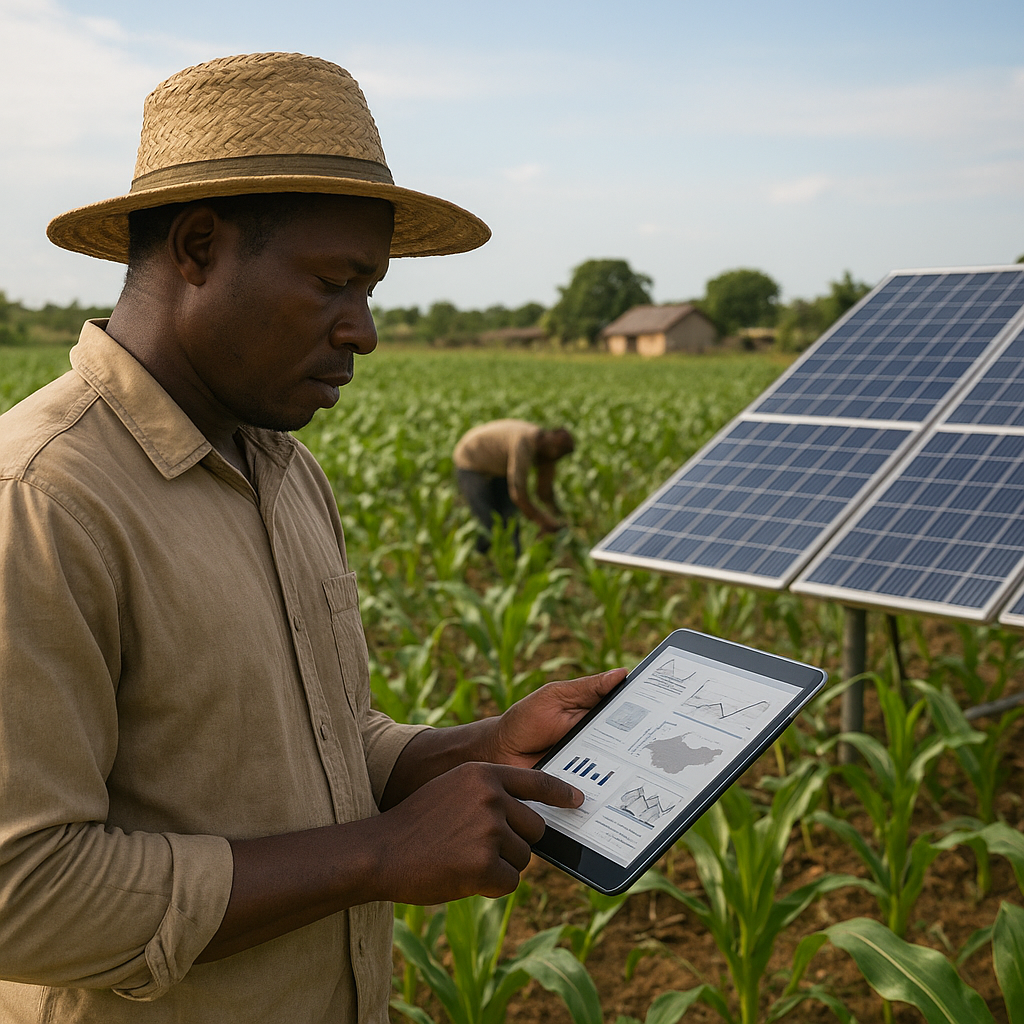
- Low-cost soil sensors that feed continuous data to cloud servers, facilitating monitoring of moisture levels and nutrient profiles.
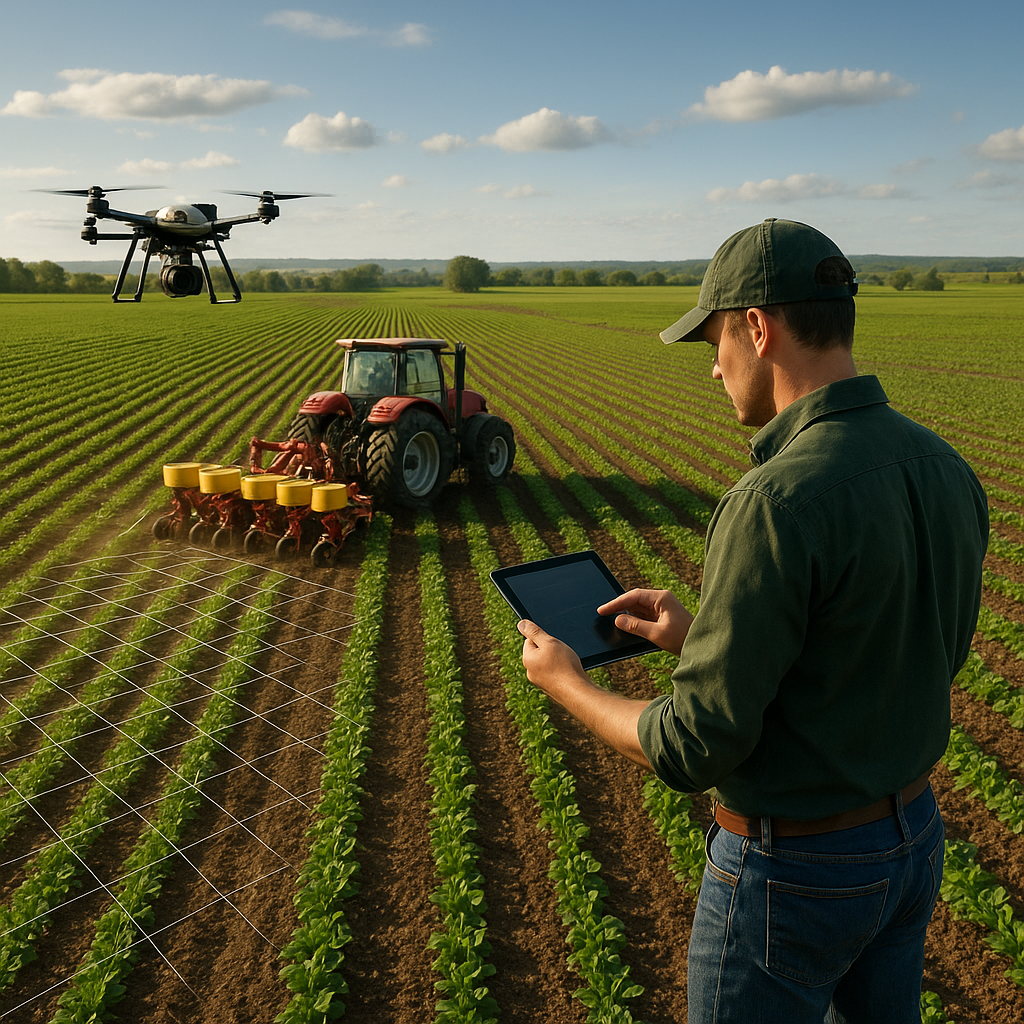
- Unmanned aerial vehicles performing aerial surveys to detect pest outbreaks, nutrient deficiencies, and crop stress.
- SMS-based marketplaces that link producers directly with buyers, reducing intermediaries and improving price transparency.
Such solutions not only foster financial inclusion but also enhance connectivity between remote growers and service providers. Extension officers can now troubleshoot issues through video calls rather than traveling long distances, saving time and conserving scarce fuel.
Innovative Practices and Precision Agriculture
Precision agriculture represents a paradigm shift from blanket treatment of fields to site-specific management of inputs. Through GPS-guided tractors and drone-assisted mapping, farmers can apply water, fertilizer, and pesticides with unprecedented accuracy. This approach drives up crop yield while minimizing environmental impact.
Major components of precision systems include:
- Precision variable-rate technology that adjusts input applications on-the-fly according to soil variability maps.
- Machine learning algorithms that analyze historical weather data and crop performance to forecast optimal planting windows.
- Robotic harvesters capable of discerning ripe produce, reducing labor costs, and accelerating harvest cycles.
By leveraging these tools, smallholder farms can transition from subsistence models to commercially viable enterprises. Collaborative platforms enable multiple operators to pool data, creating regional benchmarks that help identify underperforming zones and encourage collective problem-solving.
Financial and Infrastructural Challenges
Despite remarkable progress, many developing-country farmers face hurdles in scaling up tech adoption. The upfront costs of sensors, drones, or automated machinery often exceed available capital. Microfinance institutions and impact investors are stepping in to design tailored loan products, but high interest rates and collateral requirements remain barriers.
Infrastructure limitations compound the issue. In regions with unreliable electricity supply, charging equipment or powering pumps can be problematic. Efforts to install solar microgrids offer a dual benefit: supporting farm operations and supplying household needs. However, maintenance and technical support for solar arrays require trained personnel, which may be in short supply.
Furthermore, inadequate digital literacy restricts effective use of available tools. Training programs delivered through local cooperatives and vocational schools aim to bridge the skills gap, ensuring farmers can interpret dashboards, adjust system parameters, and troubleshoot basic malfunctions. Empowering individuals through education is a critical first step toward full-scale empowerment of rural communities.
Case Studies from Diverse Regions
East Africa: Mobile Payment Platforms
In Kenya and Tanzania, mobile money services have revolutionized both payments and extension services. Farmers pay for inputs via digital wallets and receive bulk discounts through group buying schemes. Extension messages arrive alongside transaction confirmations, effectively merging financial and agronomic support into a cohesive system.
South Asia: Community-Based Drones
In parts of India and Bangladesh, cooperatives own fleets of unmanned drones. A single operator can cover multiple villages in a day, providing aerial diagnostics at a fraction of traditional consultancy fees. Members reserve drone time slots through an online portal and contribute small fees that collectively cover operational expenses.
Latin America: Data Sharing Consortia
Brazilian coffee growers have formed data consortia to share anonymized yield records, climate observations, and treatment outcomes. By aggregating information across hundreds of small farms, the consortium generates robust predictive models that identify emerging disease threats and suggest mitigation measures before widespread outbreaks occur.
Future Opportunities and Collaborative Models
Looking ahead, open-source hardware and software frameworks promise to democratize access to advanced tools. Entrepreneurs are designing modular sensors that can be built from locally sourced materials, bringing down manufacturing costs. Community workshops teach farmers to assemble and calibrate devices, fostering a sense of ownership and technical proficiency.
Blockchain platforms are also on the horizon, enhancing supply chain transparency and traceability. Smallholders can record each stage of production—from planting to post-harvest processing—on immutable ledgers. Buyers gain confidence in product origin and quality, often commanding premium prices for certified produce.
Partnerships among governments, NGOs, and private firms remain crucial. Initiatives that combine policy support, infrastructure development, and capacity building create an environment where innovation thrives. By aligning incentives and sharing risks, these collaborative models unlock new pathways for sustainability and long-term prosperity in the agricultural sector.
Building Resilience Through Integrated Solutions
Climate variability poses one of the greatest threats to food security. Integrated systems that merge predictive analytics with resilient crop varieties, water harvesting techniques, and climate-smart agronomy can bolster farm-level defense mechanisms. Rainwater collection structures, paired with sensor-controlled drip irrigation, ensure optimal water use efficiency.
Furthermore, biofortified seeds—engineered for drought tolerance or pest resistance—are distributed alongside digital advisories, ensuring that farmers receive end-to-end support. This fusion of biological and digital innovation not only enhances resource utilization but also safeguards livelihoods against unpredictable threats.
Empowering the Next Generation of Farmers
Youth engagement is essential for sustaining agricultural productivity over coming decades. Programs that pair mentors with young entrepreneurs encourage the development of agri-tech startups focused on local challenges. Hackathons and innovation camps bring together students, researchers, and practitioners to co-create solutions suited to specific ecological and cultural contexts.
By fostering a culture of experimentation and risk-taking, these initiatives cultivate leaders who view farming not merely as a way of life, but as a dynamic industry ripe for transformation. This shift in mindset reinforces community bonds and ensures that rural economies thrive through continuous efficiency improvements.