The global agricultural sector is undergoing a profound transformation as farms around the world respond to the surging appetite for alternative proteins. From sprawling plant-based crops to state-of-the-art bioreactors, producers are reimagining long-held practices. This article explores how traditional and emerging farming operations are pivoting toward novel protein sources, leveraging innovation, modern technology, and sustainable methods to meet consumer demands.
Shifting Landscapes: The Rise of Plant-Based Farms
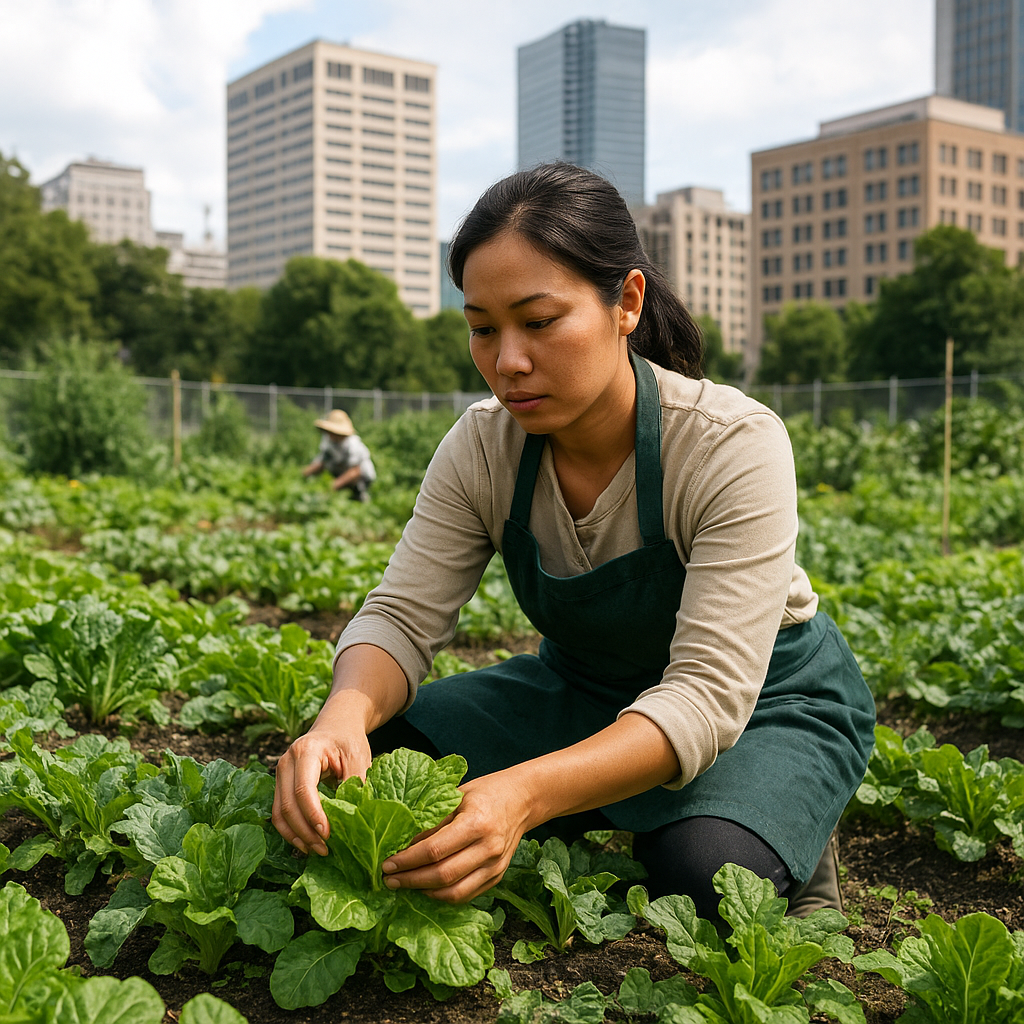
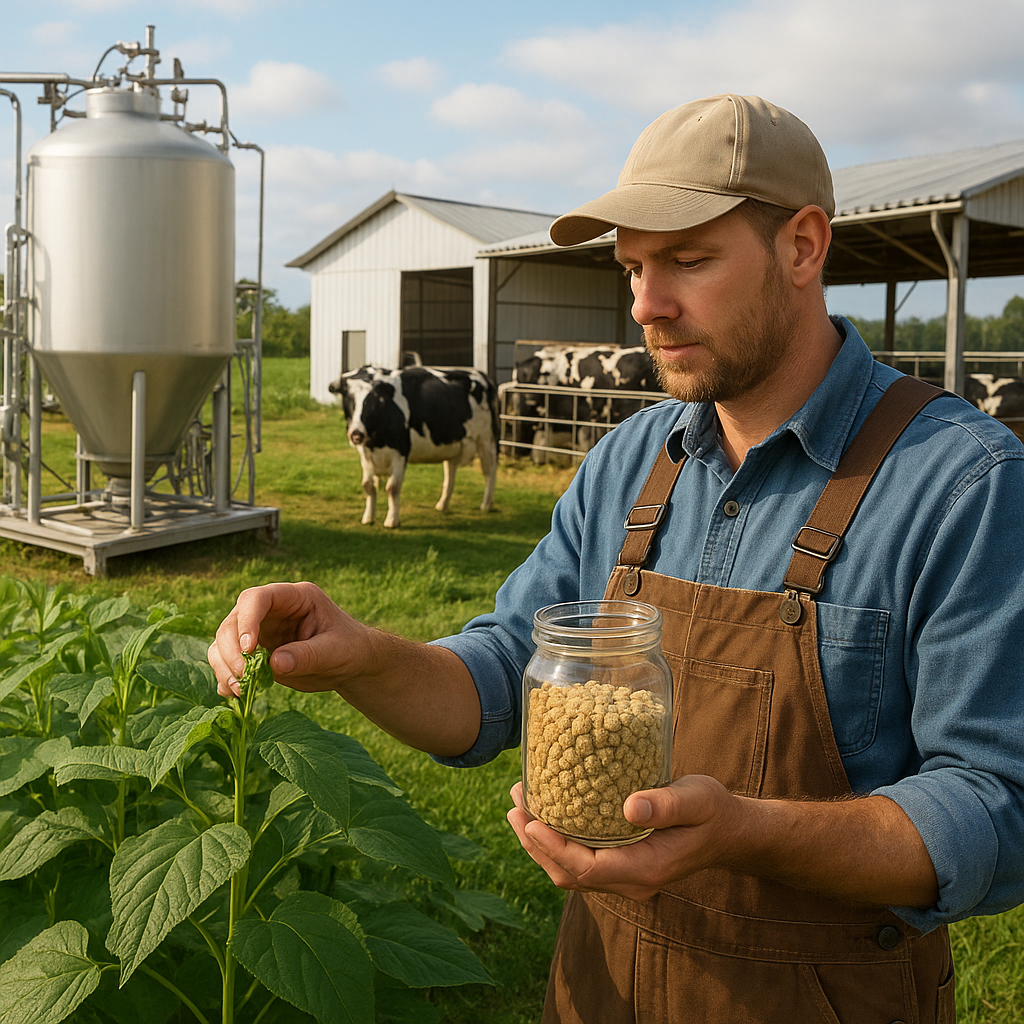
Over the last decade, large-scale farmers have diversified their crop portfolios to include high-protein legumes and oilseeds. These novel crops are integral in creating meat analogues, dairy substitutes, and other nutrition-rich products.
- Soybeans Remain Dominant: Already a cornerstone of the global protein supply, soybean farmers are adopting precision irrigation and integrated pest management to boost yields.
- Pulses and Chickpeas: In regions from Canada’s Prairies to India’s Deccan Plateau, governments and cooperatives are incentivizing pulse cultivation to enhance soil regenerative potential.
- Alfalfa and Fava Beans: Emerging as versatile cash crops, these alternatives contribute to nitrogen fixation and provide feedstocks for plant-based dairy alternatives.
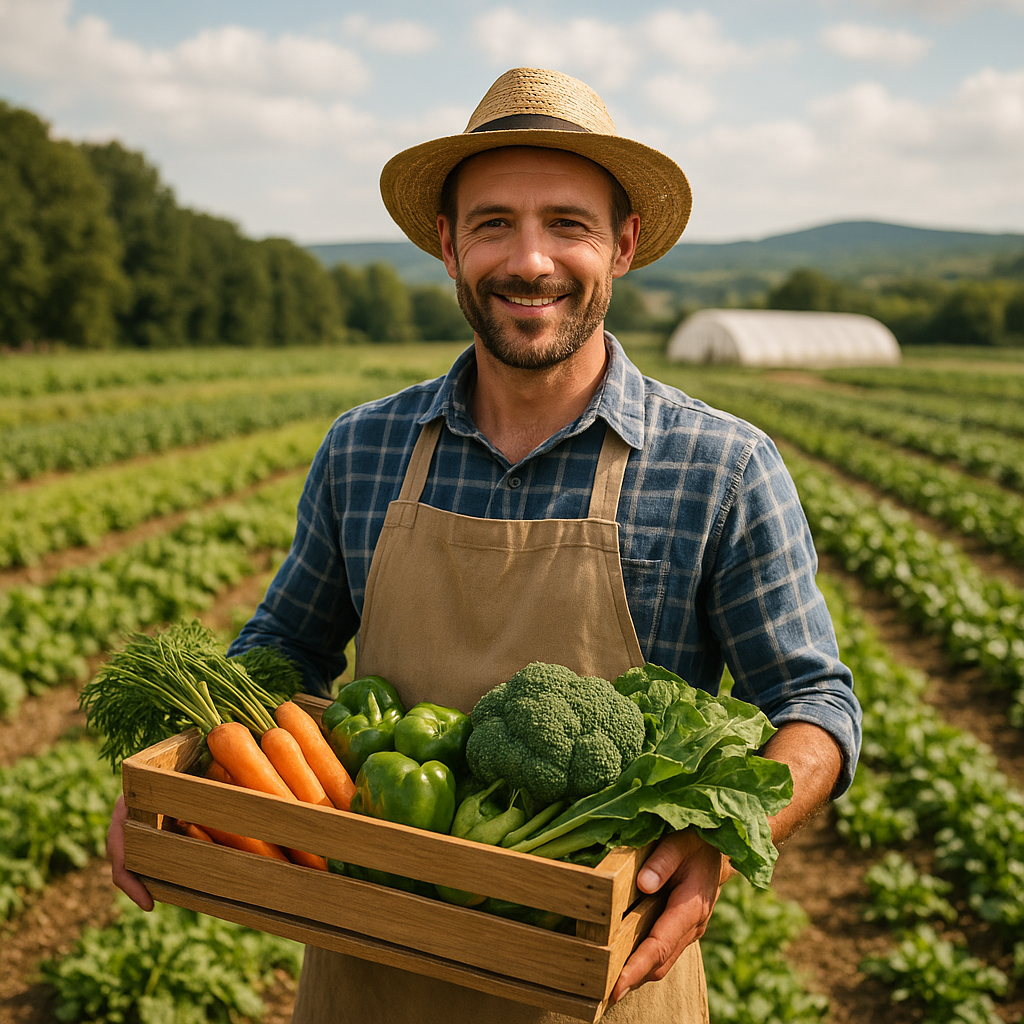
By embracing diversified crop rotations, producers are improving soil health while creating new revenue streams. Many farms partner with food processing companies to secure forward contracts that underwrite the costs of equipment upgrades and specialized harvesters.
Precision Agriculture Meets Plant Protein
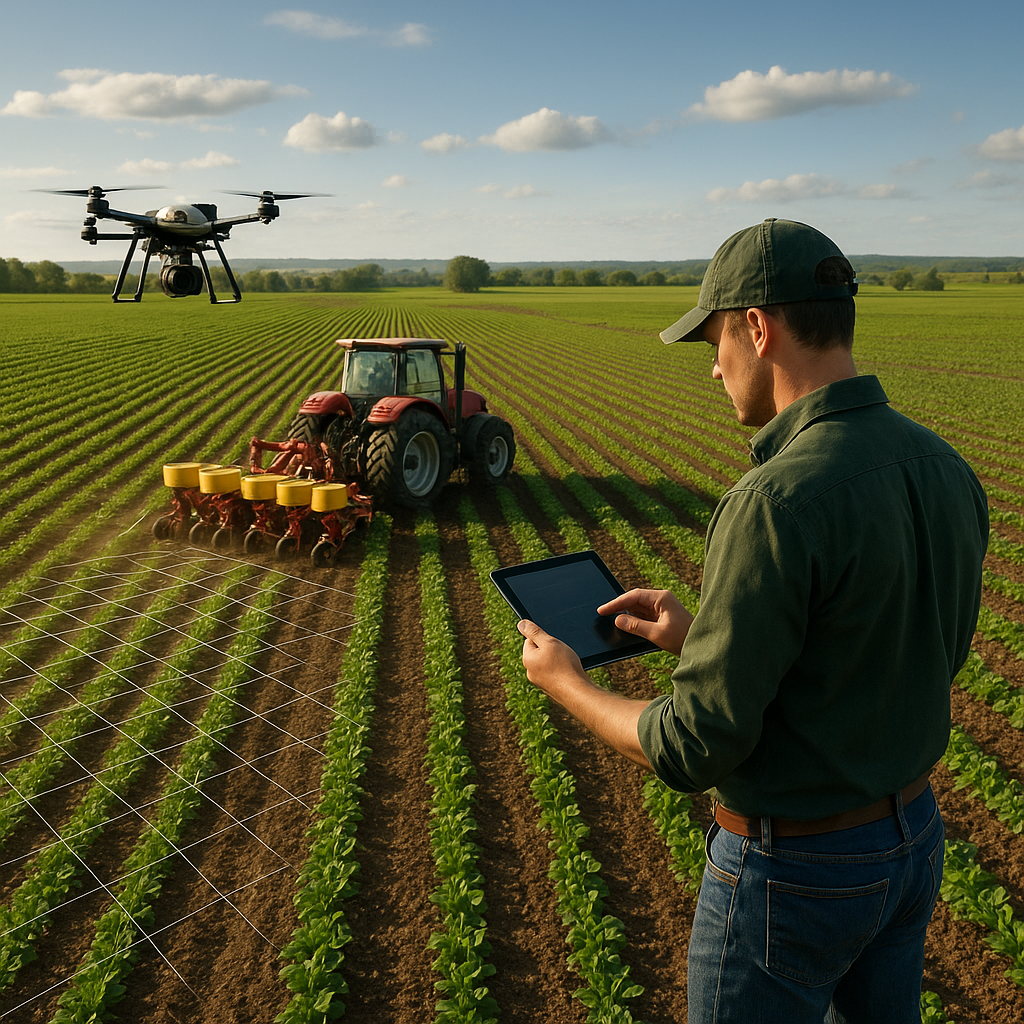
Modern farms deploy drones, satellite imagery, and AI-driven analytics to monitor crop health. Real-time data enables farmers to optimize fertilizer application, reduce water waste, and predict harvest windows. This level of efficiency not only raises profit margins but also minimizes the environmental footprint of large-scale protein crop production.
Technological Breakthroughs in Cultivated Meat Production
Cultivated or “cell-based” meat is no longer a futuristic concept. Biotech firms collaborate with agribusinesses to produce muscle tissues from animal cell cultures, offering a direct replacement for conventional meat without animal slaughter.
- Bioreactor Scaling: Historic challenges of moving from lab flasks to industrial volumes are being addressed. New bioreactor designs support higher cell densities and continuous nutrient exchange.
- Growth Media Innovation: Traditionally reliant on animal serum, growth media formulations have shifted towards plant-derived ingredients, significantly reducing production costs.
- Regulatory Pathways: Governments in Singapore and the United States have approved the sale of cultivated seafood and poultry, paving the way for broader market access.
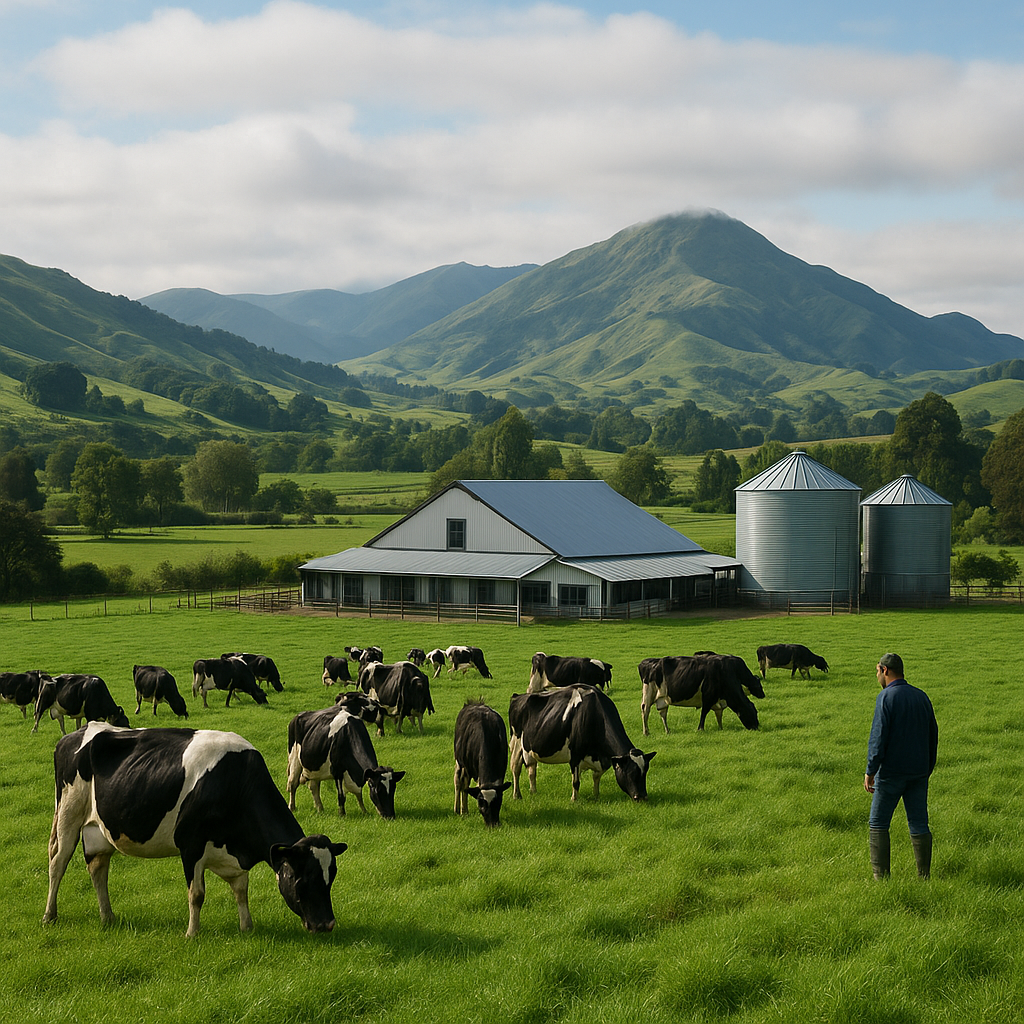
As these operations mature, large livestock farmers are investing in or partnering with cell-culture startups. This collaboration ensures that established supply chains—cold storage, distribution networks, and retail partnerships—can be leveraged for the new category of proteins.
Challenges and Opportunities
Although scalability remains a hurdle, strategic alliances and government subsidies are accelerating commercialization. Pilot plants capable of producing tens of thousands of kilograms annually are now under construction, marking a shift from R&D to full-scale manufacturing.
Integrating Insect Farming into Traditional Operations
Insect protein has gained traction as a sustainable, nutrient-dense alternative. Farms in Europe, North America, and Southeast Asia are retooling existing facilities to raise crickets, mealworms, and black soldier flies.
- Modular Insect Rearing Units: These stackable trays utilize automated climate control to optimize growth conditions for various insect species.
- Feed Substrates: Agricultural byproducts, such as rice bran or brewery spent grains, are repurposed as insect feed, closing waste loops.
- Processing Technologies: Advances in drying, milling, and defatting enable the production of insect flours, oils, and protein concentrates suitable for food and pet feed applications.
Established livestock farmers find insect farming a natural extension of existing operations. Barns once housing poultry or swine can be converted with minimal structural changes, offering additional income streams without significant land expansion.
Environmental and Economic Impacts
Life-cycle assessments reveal that insect protein requires far less land and water than traditional livestock. The rapid breeding cycles of insects also mean reduced greenhouse gas emissions and quicker returns on investment, boosting farm resilience to market fluctuations.
Sustainability and Global Supply Chains
As alternative proteins scale, their integration into global agricultural systems becomes critical. Farms are aligning with international standards to ensure sustainability and traceability throughout the value chain.
- Certification Programs: Initiatives like the Fair Protein Alliance and Global Reporting Initiative (GRI) help farms document sustainable practices and access premium markets.
- Traceability Technologies: Blockchain and IoT devices track products from the field or lab to the consumer’s plate, enhancing transparency and food safety.
- Cross-Border Collaboration: Public–private partnerships facilitate knowledge exchange between countries, aiding farmers in adopting cutting-edge methodologies.
Major food corporations are signing long-term supply agreements with farmers who commit to sustainable land management and ethical labor practices. These contracts often include technical assistance, capacity building, and capital investments for facility upgrades.
Building a Resilient Food Ecosystem
By converging traditional agriculture with next-generation protein production, the sector is better equipped to handle climate change, resource constraints, and evolving consumer preferences. The emphasis on global cooperation, coupled with farm-level diversification, positions the industry to thrive in a rapidly changing world.