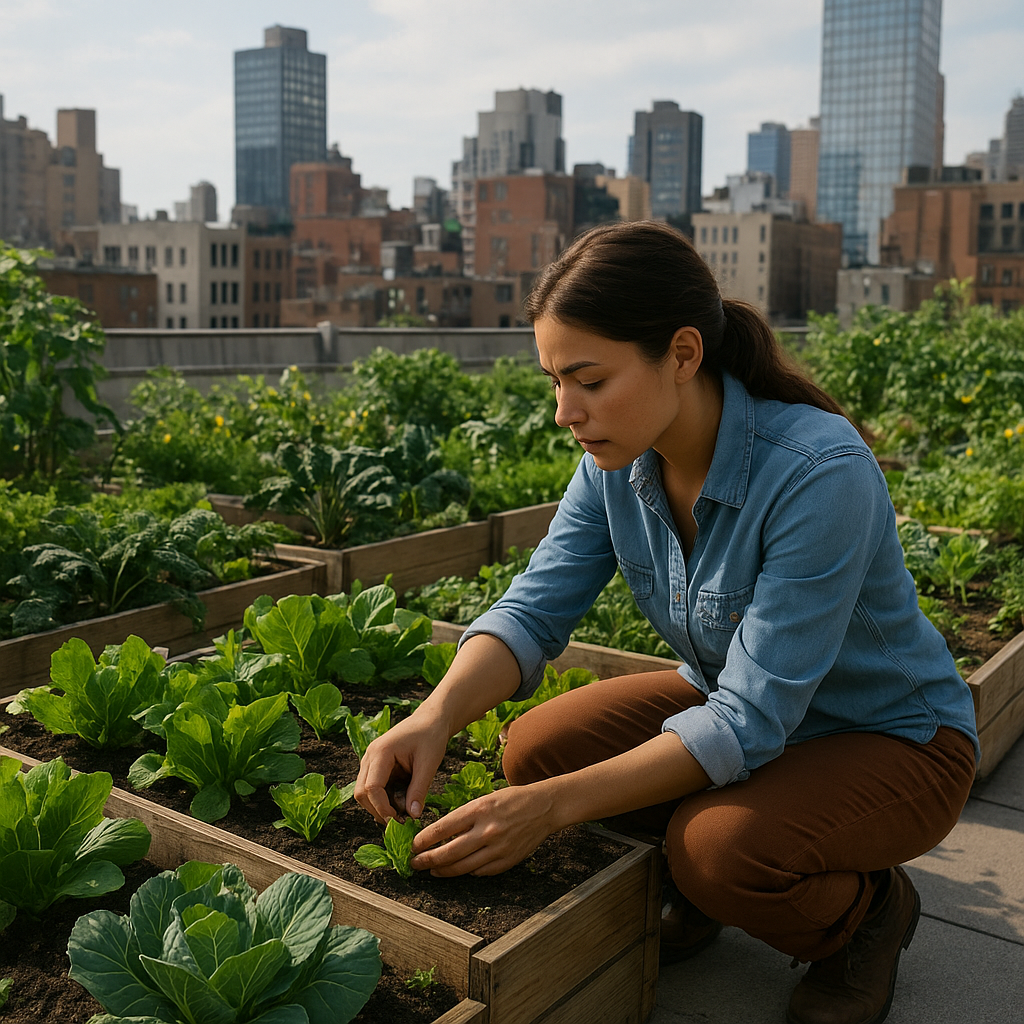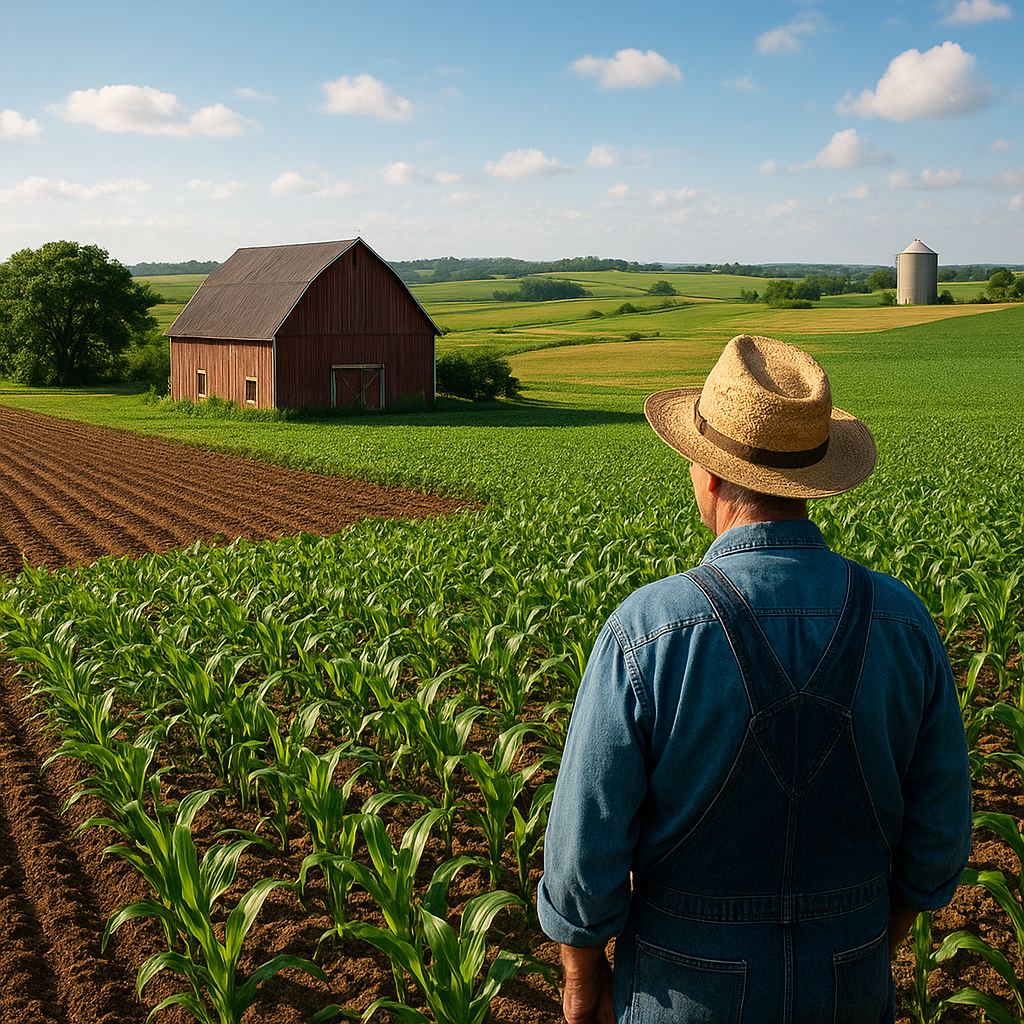
Farmland preservation has emerged as a critical component in safeguarding the future of global agriculture. As urban expansion, climate change, and industrial development encroach on valuable arable areas, policymakers, farmers, and communities are turning their attention to innovative solutions that promote long-term land stewardship. This article explores the multifaceted benefits of protecting farmland, highlights effective strategies and policies, and examines real-world examples that demonstrate how farmland preservation is reshaping agricultural practices worldwide.
Preserving Arable Land for Future Generations
Healthy soil is the bedrock of global food production, yet every year vast tracts of fertile land are lost to construction, erosion, or degradation. Food security depends on maintaining a stable supply of crops, and farmland preservation acts as a frontline defense against the increasing pressures on agricultural landscapes.
- Biodiversity protection: Intact farmland often supports hedgerows, wetlands, and field margins that host a variety of plant and animal species. Preserving these features helps maintain ecosystem services like pollination and pest control.
- Soil conservation: Practices such as contour plowing, cover cropping, and reduced tillage are integral to farmland preservation efforts. They prevent erosion, enhance water retention, and build soil organic matter.
- Water quality improvement: Buffer strips and riparian zones filter runoff, trapping sediments and nutrients before they reach streams and rivers. This reduces eutrophication and protects aquatic habitats.
By viewing farmland as more than just a production site, communities can adopt a holistic perspective that merges agriculture with conservation objectives. Under this paradigm, farmland becomes a vital component of a healthy ecosystem and a dynamic resource for future generations.
Strategies Driving Sustainable Agriculture
Effective farmland preservation requires a blend of policy initiatives, market-based incentives, and grassroots engagement. The following approaches illustrate how stakeholders collaborate to secure agricultural land for the long term.
Conservation Easements and Land Trusts
Conservation easements are legally binding agreements that restrict non-agricultural development on private lands. They can be purchased or donated by landowners, with land trusts overseeing compliance. Key advantages include:
- Permanent protection: Easements typically run with the land, ensuring that future owners honor preservation commitments.
- Tax benefits: Landowners may receive income, estate, or property tax deductions in return for granting easements.
- Community engagement: Land trusts often involve local stakeholders, building public awareness around the value of farmland.
Agri-Environmental Schemes and Subsidies
Governments around the world have introduced financial incentives to encourage farmers to adopt sustainable practices. Examples include:
- Direct payments for cover cropping or reduced chemical inputs.
- Grants for installing buffer strips, wetlands, or on-farm renewable energy systems.
- Premium prices for products certified under conservation-oriented labels.
Such support mechanisms reward farmers for their role as environmental stewards, making farmland preservation economically viable.
Urban Growth Boundaries and Zoning Regulations
Rapid urbanization often consumes prime farmland on the fringes of cities. To counter this trend, municipalities implement:
- Urban growth boundaries that limit sprawl and protect surrounding agricultural zones.
- Zoning ordinances that designate specific areas for farming, preventing conversion to residential or industrial uses.
- Incentive programs for infill development, reducing pressure on undeveloped land.
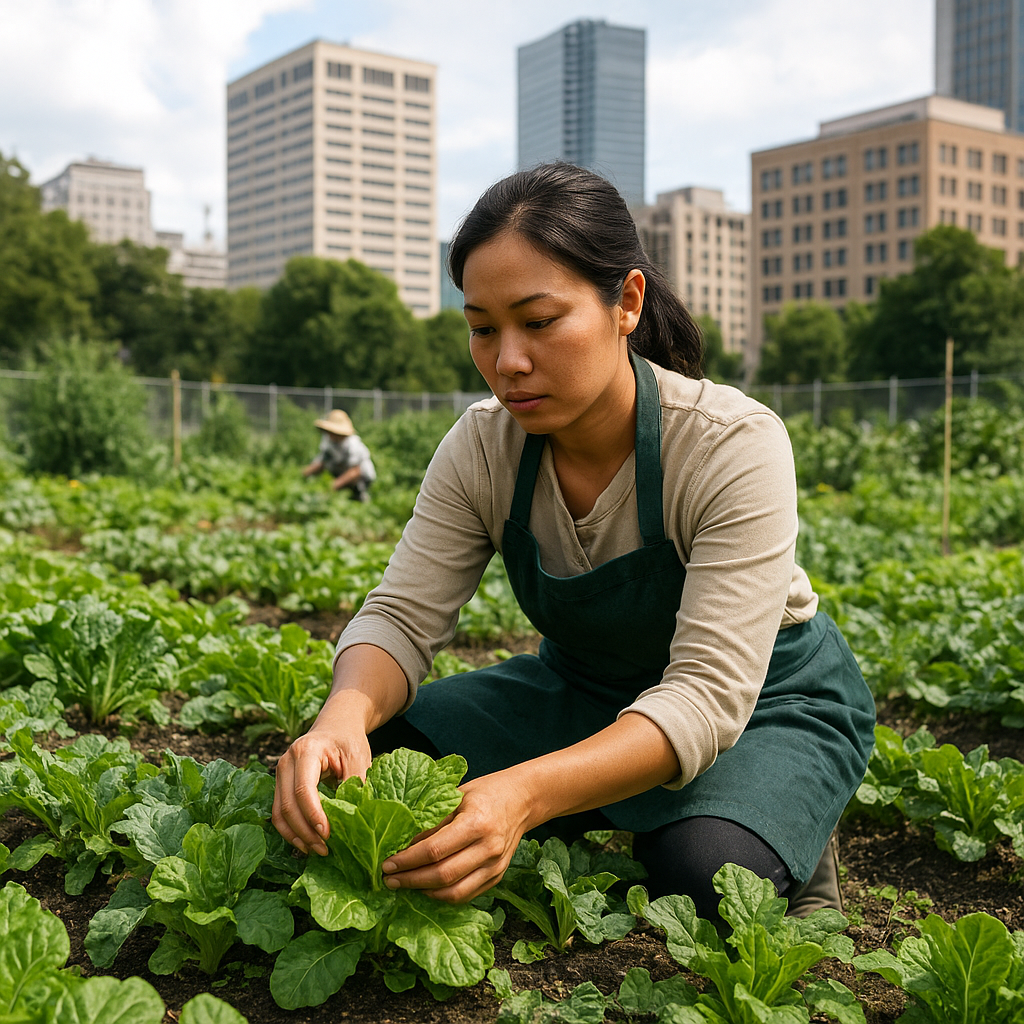
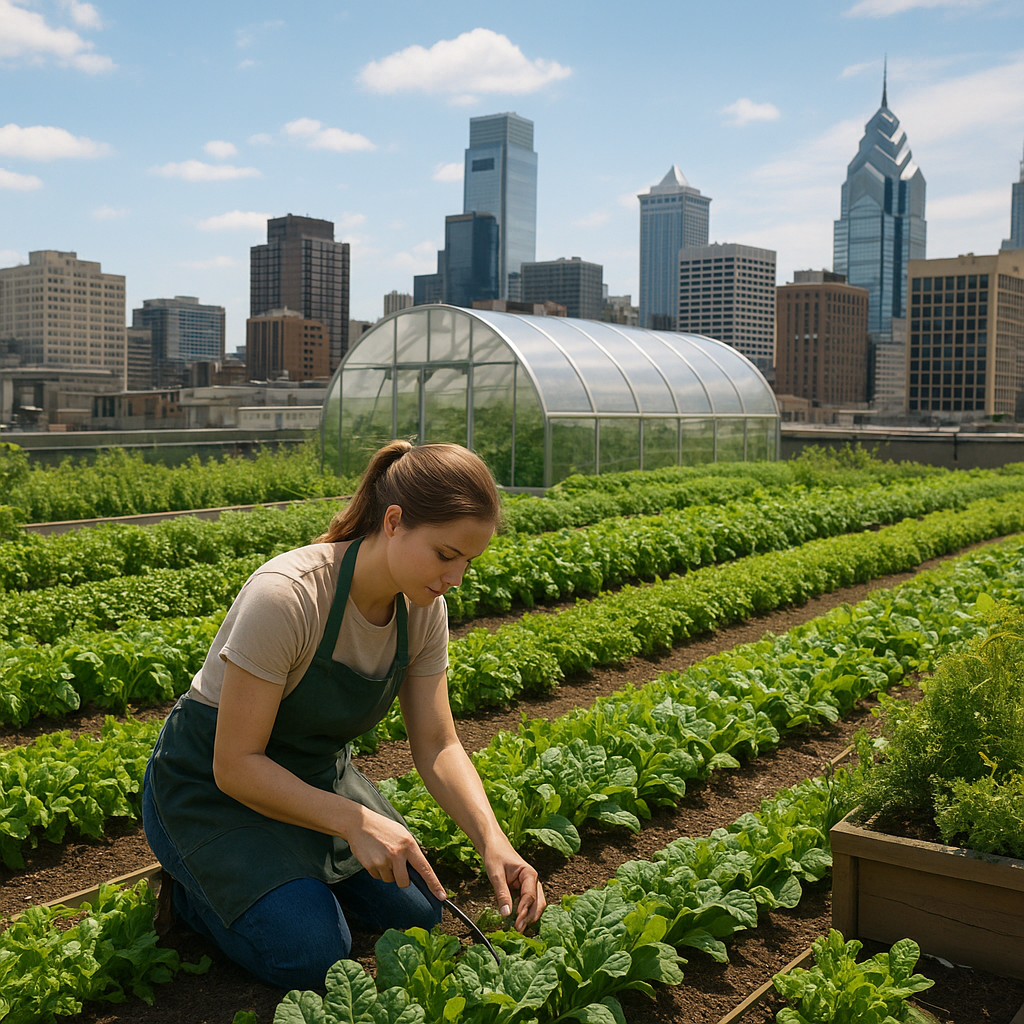
By channeling growth inward, cities can preserve peri-urban farms that supply fresh produce to local markets and maintain green corridors.
Success Stories from Around the World
Numerous regions have demonstrated the effectiveness of farmland preservation through creative policies and collaborative efforts. The following case studies highlight diverse contexts and outcomes.
United States: California’s Land Conservation Programs
California, home to some of the world’s most productive agricultural areas, has faced relentless pressure from urban expansion. To address this, the state government and non-profit organizations have:
- Established the California Farmland Conservancy Program, providing easement grants to protect vineyards, orchards, and row crops.
- Launched the Sustainable Agricultural Lands Conservation (SALC) program, which funds planning and easement acquisitions in priority areas.
- Supported local land trusts in preserving over half a million acres of farmland to date.
These combined efforts ensure that iconic regions like the Central Valley remain viable for future farming generations.
Europe: France’s Green Belt and Agro-Environmental Measures
In France, peri-urban agriculture is a cultural legacy and an economic asset. The creation of “green belts” around major cities, coupled with the European Union’s Common Agricultural Policy (CAP), has enabled:
- Subsidies for organic farming and integrated pest management.
- Designation of Protected Designation of Origin (PDO) zones, safeguarding traditional products and landscapes.
- Local cooperatives that market high-value specialty crops within metropolitan markets.
These initiatives have reinforced both the resilience and heritage value of Europe’s agricultural lands.
Asia: South Korea’s Farmland Readjustment Projects
South Korea’s rapid industrialization once threatened to obliterate its rural landscapes. To preserve farmland, the government implemented:
- Land readjustment schemes that reorganize fragmented plots into consolidated, more efficient parcels.
- Financial assistance for modernization of irrigation, drainage, and farm road networks.
- Community-led zoning boards that balance development needs with agricultural priorities.
As a result, South Korea has maintained around 80 percent of its original farmland area, even as urban centers expanded dramatically.
Africa: Kenya’s Community Conservancies
In parts of Sub-Saharan Africa, where smallholder farmers dominate, community conservancies have emerged as a hybrid model for farmland protection. Key elements include:
- Communal land tenure systems that grant collective rights over grazing and cropping areas.
- Revenue-sharing from eco-tourism and carbon offset programs, providing alternative income streams.
- Capacity-building workshops on rotational grazing, agroforestry, and drought-resistant crops.
These conservancies enhance innovation in land management while ensuring that local communities benefit directly from conservation and agricultural productivity.
Integrating Farmland Preservation into Global Agendas
As climate change intensifies and the world’s population approaches 10 billion, the imperative to protect farmland grows ever stronger. Integrating farm protection into broader policy frameworks can include:
- Aligning national agricultural plans with the United Nations’ Sustainable Development Goals, particularly SDG 2 (Zero Hunger) and SDG 15 (Life on Land).
- Encouraging international cooperation on cross-boundary watersheds and migratory wildlife corridors that intersect agricultural zones.
- Fostering private–public partnerships to finance large-scale conservation efforts and share best practices.
By weaving farmland preservation into global and local agendas, societies can build a more resilient food system that balances production with ecological limits.