As global populations expand and climate patterns shift unpredictably, farms around the world must embrace new methods to curb escalating levels of food loss. Through a combination of cutting-edge technologies, community-driven initiatives, and eco-conscious strategies, today’s agricultural systems are transforming into models of sustainability and resilience. Farmers, researchers, and supply chain experts are joining forces to ensure that harvests nourish people instead of ending up in landfills.
Addressing Post-Harvest Losses Through Technological Innovation
Across every continent, a significant portion of produce is lost after harvest due to poor handling, inadequate storage, and lack of transportation infrastructure. In sub-Saharan Africa, for example, nearly 30% of fruits and vegetables spoil before reaching markets, while in Southeast Asia grain losses can exceed 20% at various stages of the value chain. To tackle these inefficiencies, many farms are deploying a suite of technological solutions:
- Smart Cold Chains: Solar-powered refrigeration units maintain optimal temperatures in remote regions, reducing spoilage and extending shelf life of perishable goods.
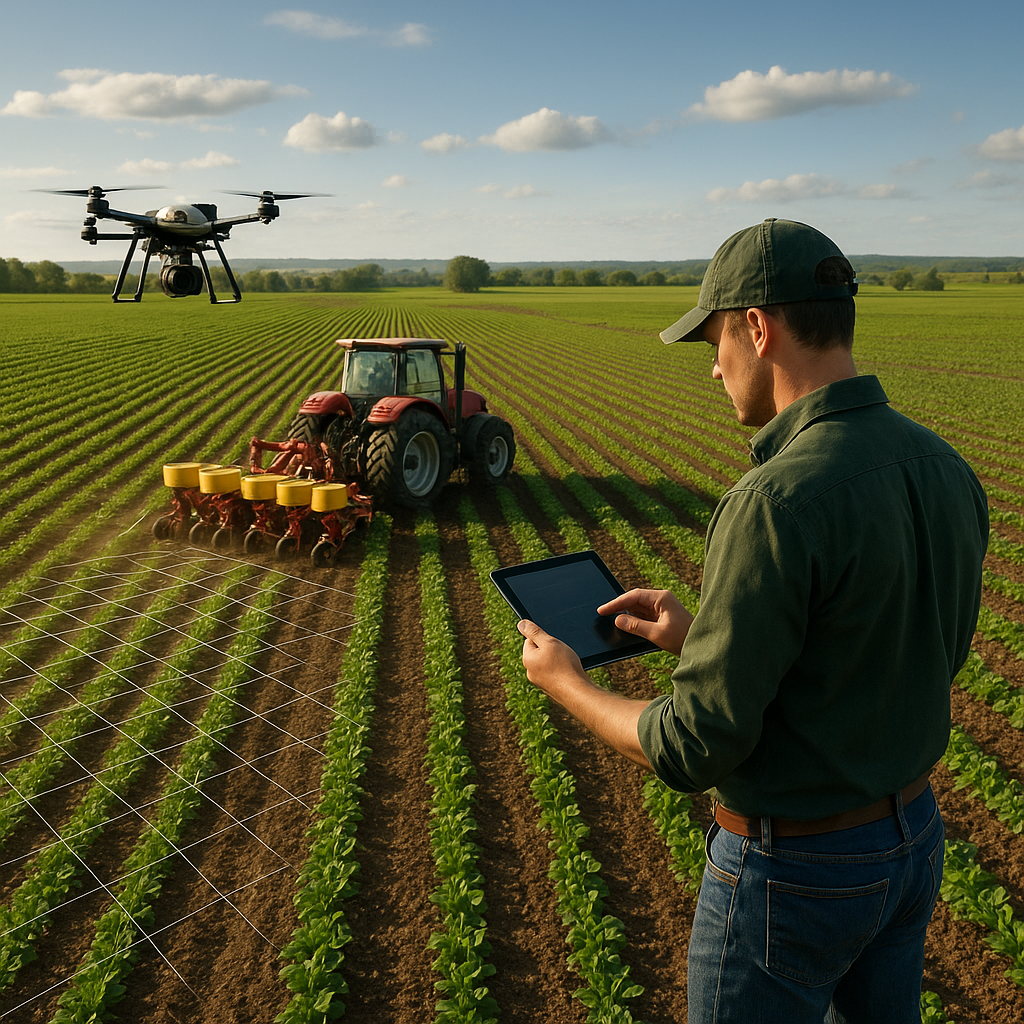
- Sensors and IoT: Wireless devices monitor humidity, gas levels, and temperature in storage silos and warehouses, triggering real-time alerts when conditions deviate from safe ranges.
- Mobile Apps: Farmers access precise harvest timing forecasts powered by machine learning, ensuring that crops are picked at peak ripeness and delivered quickly to buyers.
These tools not only decrease losses but also boost overall efficiency in farm operations. By integrating blockchain-based ledgers, stakeholders achieve greater traceability, allowing retailers and consumers to verify origin, handling procedures, and freshness. The combined effect of better monitoring and improved logistics can reduce post-harvest waste by up to 40%, according to recent studies from agricultural research institutes.
Emerging Sustainable Farming Models Around the World
Traditional open-field agriculture faces mounting challenges from unpredictable weather patterns, soil degradation, and water scarcity. In response, several alternative farming systems have gained traction:
Vertical and Controlled-Environment Agriculture
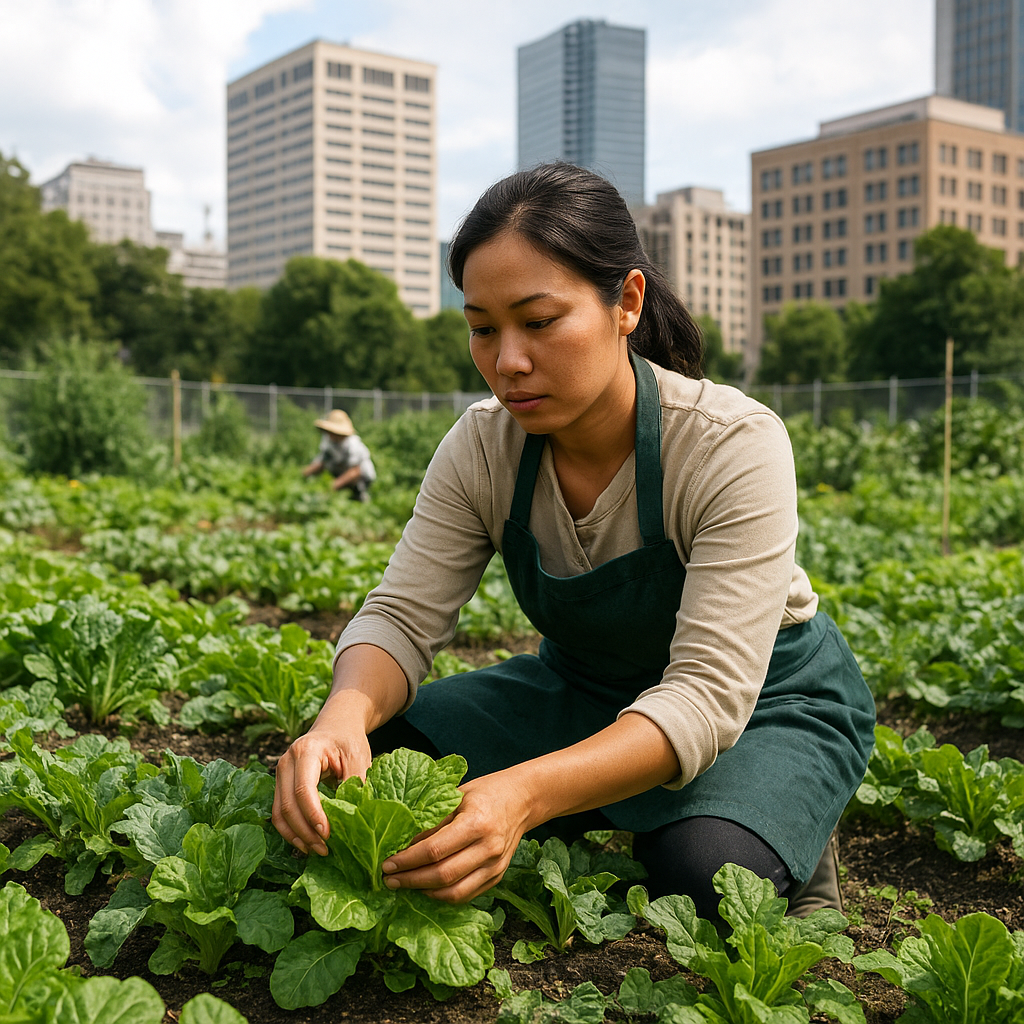
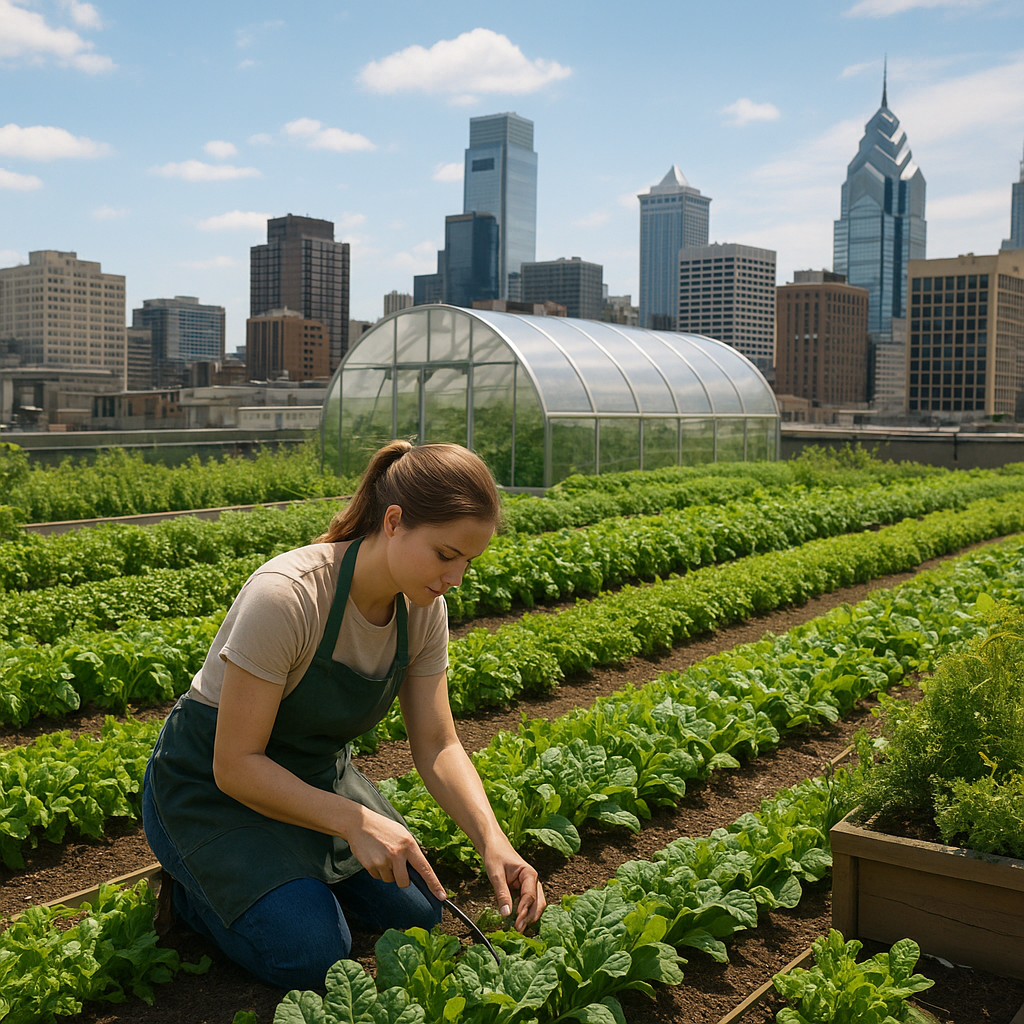
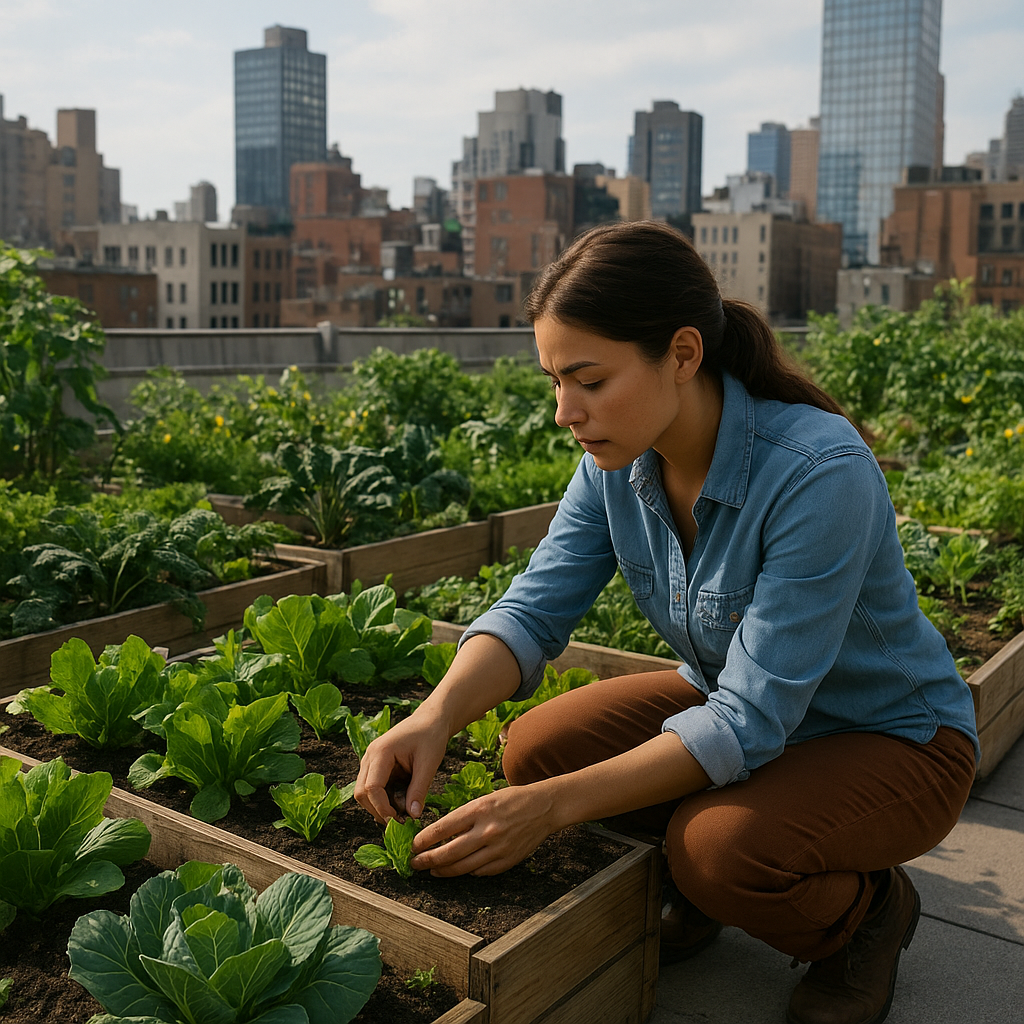
- Urban skyscraper farms: Utilizing hydroponics and aeroponics, multi-storey facilities grow leafy greens and herbs year-round under LED lighting, slashing water use by as much as 95% compared to conventional methods.
- Container farms: Repurposed shipping containers equipped with climate-control systems provide modular, scalable solutions for small communities and remote regions, ensuring local access to fresh produce.
Agroecological and Regenerative Practices
- Polyculture systems: Farmers interplant complementary crops—such as legumes with grains—to enhance soil fertility, suppress pests, and boost overall biodiversity.
- Cover cropping and no-till methods: These approaches reduce erosion, increase organic matter, and minimize carbon emissions, reinforcing long-term soil health.
By prioritizing natural cycles and ecosystem services, agroecological farms foster greater long-term productivity while reducing reliance on synthetic inputs. Concurrently, water-conserving irrigation techniques—such as drip systems and rainwater harvesting—help farms operate under increasingly arid conditions, preserving precious resources.
Leveraging Data and Collaborative Networks in Agriculture
Access to timely, accurate information is critical for making informed decisions on planting, harvesting, and distribution. Farmers and agribusinesses are forging partnerships with technology firms and research institutions to harness the power of big data:
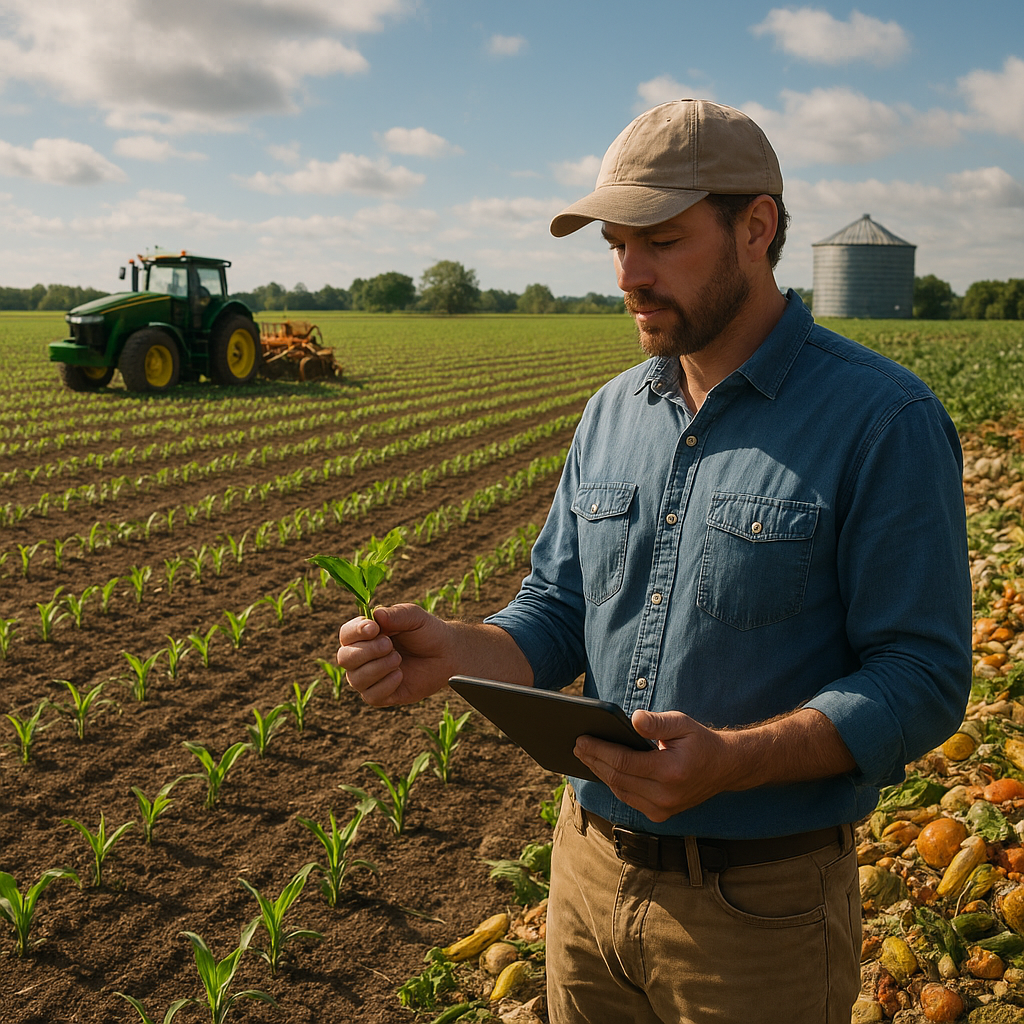
- Predictive Analytics: By analyzing satellite imagery, weather models, and soil data, algorithms forecast yield outcomes and recommend adaptive measures to mitigate crop stress.
- Shared Platforms: Online marketplaces connect smallholders with buyers, reducing the number of intermediaries and ensuring fair prices for both producers and consumers.
- Knowledge Hubs: Digital communities enable farmers across continents to exchange best practices for pest management, nutrient application, and waste reduction.
These collaborations cultivate a culture of continuous learning and refinement. Real-time dashboards display key performance indicators—such as water usage per hectare or percentage of produce sold versus discarded—allowing stakeholders to set targets and track progress. The resulting feedback loops foster agile responses to emerging threats, from sudden pest outbreaks to market fluctuations.
Embracing a Circular Economy on the Farm
Reducing food waste extends beyond harvesting and storage; it encompasses the entire lifecycle of agricultural inputs and outputs. Innovative farms are adopting principles of the circular economy to maximize resource use and divert organic materials from waste streams:
- On-Farm Composting: Crop residues, green manure, and livestock bedding are converted into nutrient-rich compost, closing the loop for soil fertility enhancement.
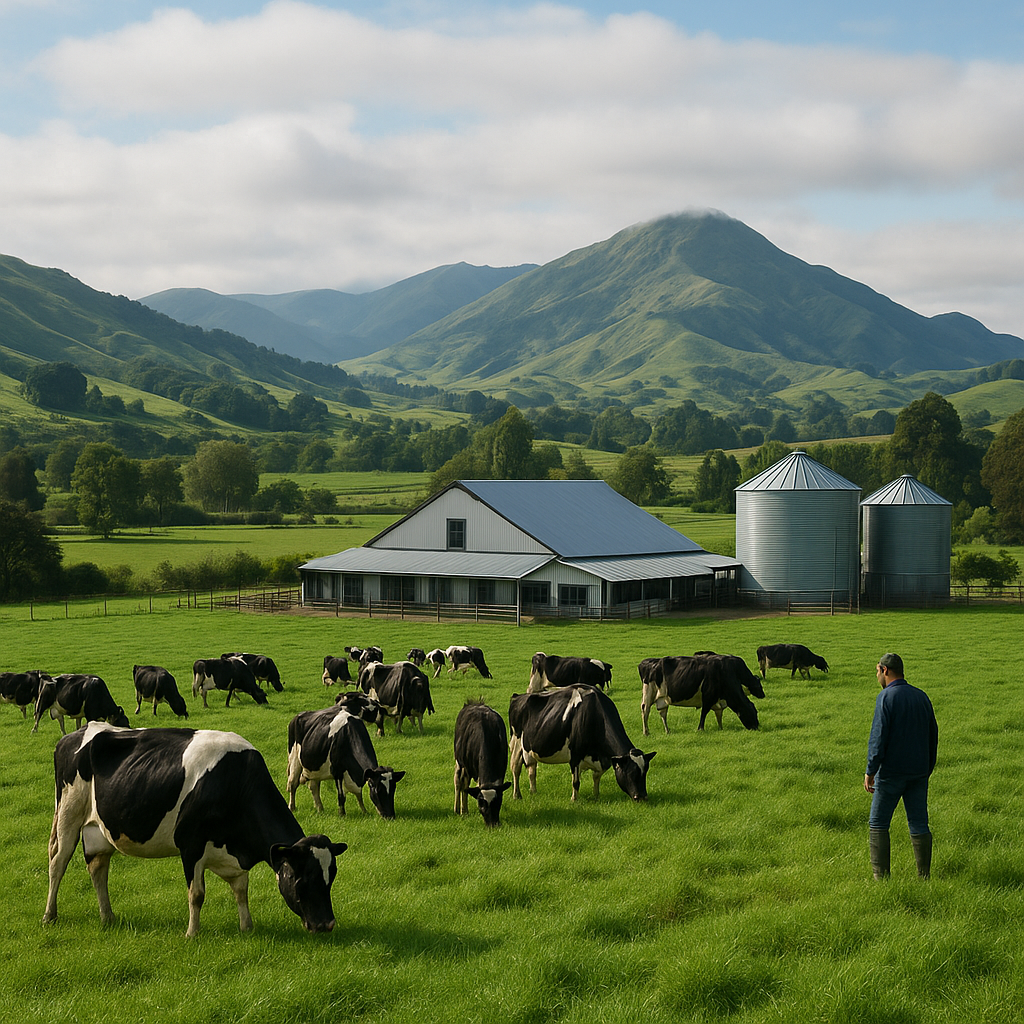
- Biogas Digesters: Animal manure and plant waste generate renewable energy through anaerobic digestion, powering farm operations and reducing reliance on fossil fuels.
- Byproduct Valorization: Surplus fruits or grains are transformed into value-added products—such as jams, flours, or natural dyes—creating new revenue streams and preventing edible goods from being discarded.
These strategies emphasize conservation of resources and reduction of greenhouse gas emissions. By reusing on-site materials, farms lower input costs and strengthen their environmental stewardship, positioning agriculture as part of the solution to global waste challenges.
Community Engagement and Consumer Education
Ultimately, the success of waste reduction efforts depends on aligning the actions of producers, distributors, retailers, and consumers. Grassroots campaigns and educational programs are raising awareness about the value of food and the importance of minimizing waste:
- “Ugly Produce” Initiatives: Retailers partner with growers to market cosmetically imperfect fruits and vegetables at discounted prices, ensuring that nutritious items reach tables instead of trash cans.
- School Gardens and Workshops: Hands-on experiences teach students about planting, harvesting, and composting, fostering lifelong appreciation for agricultural systems.
- Meal Planning Apps: Digital tools help households manage grocery lists, expiration dates, and recipe suggestions, reducing food spoilage at the consumer level.
By fostering a shared sense of responsibility, these programs bridge the gap between rural producers and urban consumers. They highlight how small behavioral shifts—such as proper storage techniques or creative use of leftovers—can collectively yield substantial reductions in wasted food.
Future Pathways for Global Food Waste Reduction
The convergence of technological breakthroughs, sustainable farm designs, and cross-sector collaboration points toward a future in which global food systems operate with far greater precision and care. Investments in research and infrastructure, coupled with supportive policy frameworks, will be essential to scale promising practices to every corner of the globe. As agricultural stakeholders continue to innovate and share knowledge, the vision of a world where hunger and waste coexist no longer seems insurmountable. Instead, it becomes a challenge that modern innovation, informed management, and collective action stand ready to meet.