Across continents, a burgeoning farm-to-table movement is redefining how food is grown, distributed, and consumed. From smallholder producers in Southeast Asia to cooperative networks in Europe and urban farmers in North America, this approach champions direct connections between growers and diners. By emphasizing sustainability, transparency, and equitable practices, the farm-to-table paradigm is reshaping global agriculture in profound ways.
Reconnecting Consumers with Producers
Long-standing industrial supply chains have often distanced consumers from the sources of their meals. In contrast, farm-to-table initiatives foster direct relationships, encouraging diners to learn about cultivation methods, seasonal availability, and local heritage. This connection elevates awareness of agroecology and builds trust in food systems.
Community-Supported Agriculture (CSA) Models
Community-Supported Agriculture schemes enable households to purchase shares of a farm’s harvest in advance. In return, members receive regular distributions of fresh produce. This arrangement grants farmers upfront capital and consumers a stake in local harvest success. CSA programs promote mutual accountability, helping farmers invest in biodiversity and environmentally friendly methods, while members gain intimate knowledge of planting calendars and crop rotations.
Farmers’ Markets and Pop-Up Stalls
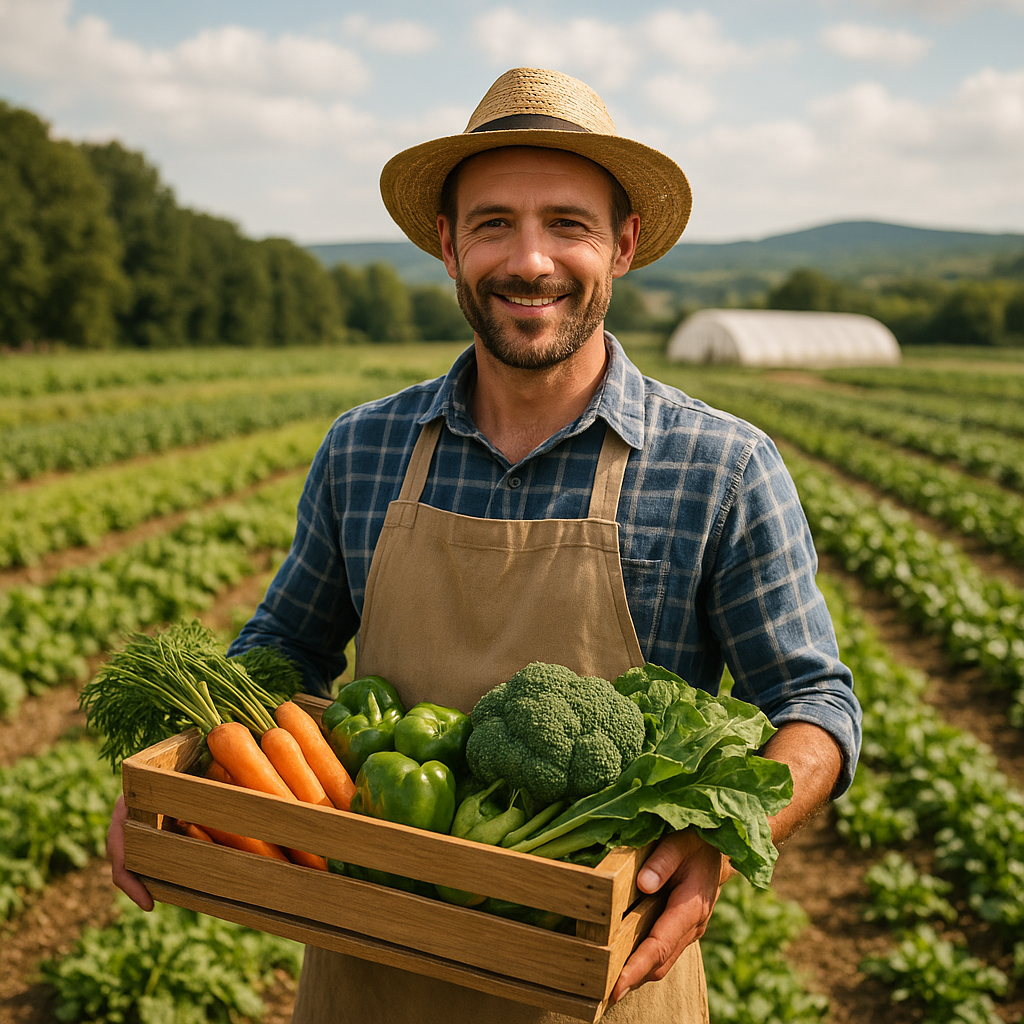
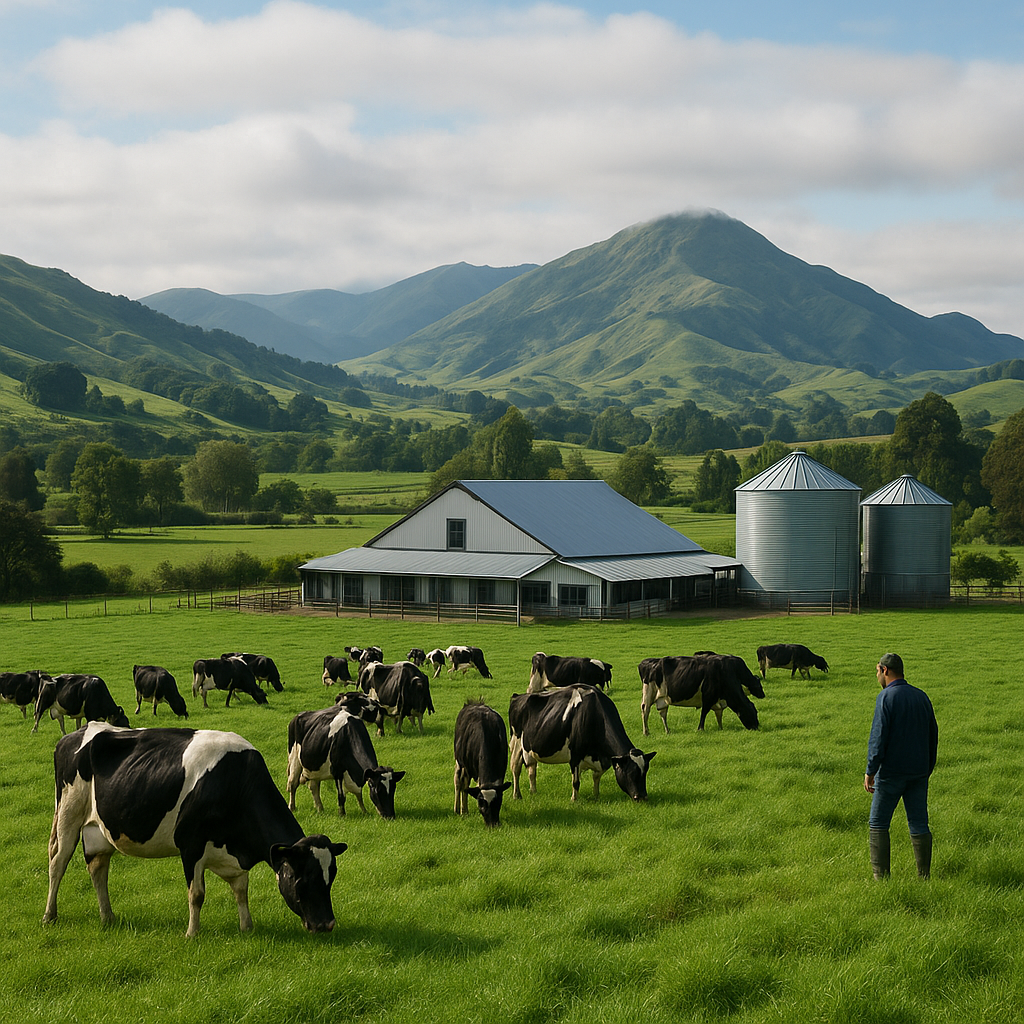
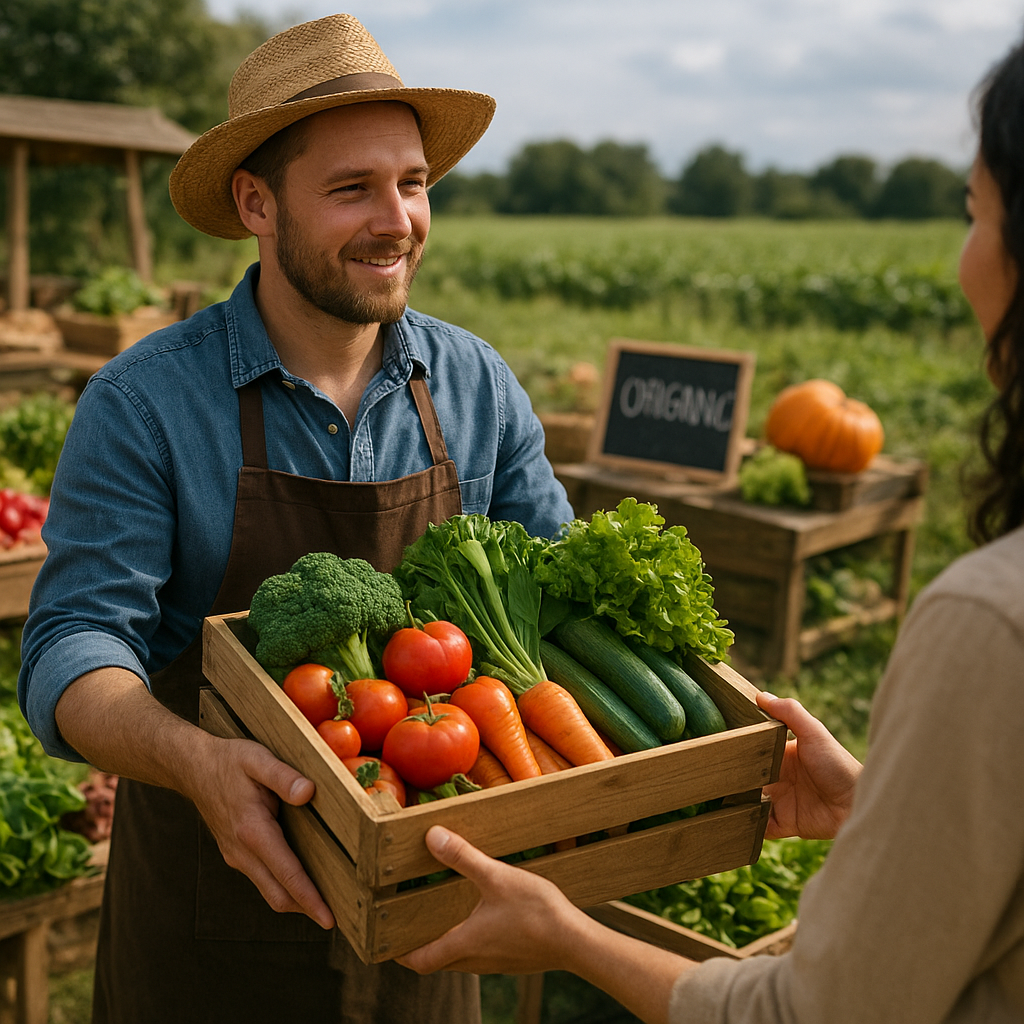
Open-air markets and mobile food stalls provide accessible platforms for smallholders to reach urban customers. These venues often showcase heirloom varieties, artisanal cheeses, and ethically raised meats that mainstream retailers rarely stock. Through face-to-face interactions, producers can explain the merits of heritage seeds, organic soil amendments, and humane animal husbandry, reinforcing the ethos of farm-to-table authenticity.
Environmental and Economic Impacts
By prioritizing shorter supply chains, farm-to-table networks reduce the carbon footprint associated with lengthy transportation. Fresh ingredients often travel mere miles from field to fork, rather than crossing oceans or continents. This localization not only limits greenhouse gas emissions but also mitigates food spoilage and waste.
Preserving Ecosystem Health
Many farm-to-table farms implement resilience-oriented practices such as crop diversification, integrated pest management, and agroforestry. These strategies enhance soil fertility, conserve water, and support pollinator populations. Through deliberate efforts to maintain ecological balance, farms become living laboratories for sustainable innovation.
Driving Rural Economies
Local food systems can catalyze regional development. Wages paid directly by farm-to-table enterprises often exceed those offered by commodity agribusiness. Profits are reinvested into community infrastructure, educational programs, and small-scale processing facilities. In emerging economies, cooperative ventures have lifted thousands of families out of poverty by granting them access to fair pricing and global niche markets.
Challenges and Innovations
Despite its promise, the farm-to-table movement faces hurdles ranging from policy barriers to market competition. Yet, innovative solutions continue to emerge.
- Regulatory Constraints: Striking a balance between food safety standards and artisanal practices remains difficult. Overly restrictive regulations can stifle small producers, while lax oversight risks consumer health.
- Infrastructure Gaps: Cold chain logistics and last-mile delivery networks are often underdeveloped, especially in rural regions. This can limit the ability of farmers to supply urban centers year-round.
- Scalability: Scaling authentic farm-to-table operations without sacrificing traceability and quality control is complex. As demand rises, maintaining artisanal standards becomes more resource-intensive.
Technological Enablers
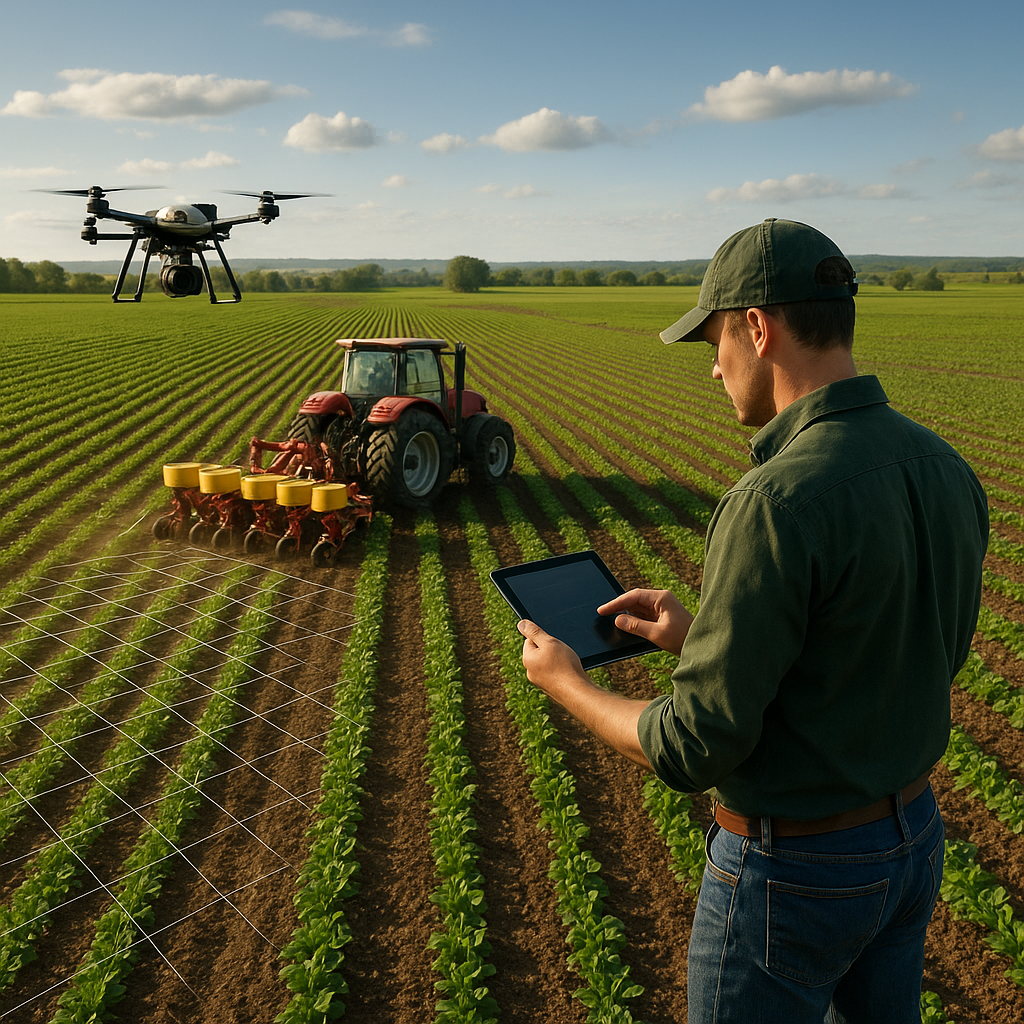
Blockchain platforms are being piloted to certify product origins, convey growing practices, and timestamp shipments in immutable ledgers. Such digital innovations bolster consumer confidence by providing verifiable farm data at every stage. Meanwhile, vertical farming and hydroponic systems in cities reduce land use and offer consistent yields with minimal inputs.
Collaborative Networks
Producers are increasingly forming alliances—sometimes across national borders—to pool resources, share best practices, and negotiate better market terms. These federations support training workshops on fair-trade certification, regenerative methods, and consumer engagement strategies. By uniting disparate smallholders under a common brand narrative, they create stronger bargaining power in wholesale and retail partnerships.
The Future of Farm-to-Table on a Global Scale
Looking ahead, the expansion of farm-to-table ideals will depend on integrating local wisdom with global collaboration. Multinational development agencies are funding pilot projects that link remote tropical growers with chefs in Europe and North America, fostering cultural exchange and opening premium markets for exotic produce.
Urban Agriculture and Rooftop Farms
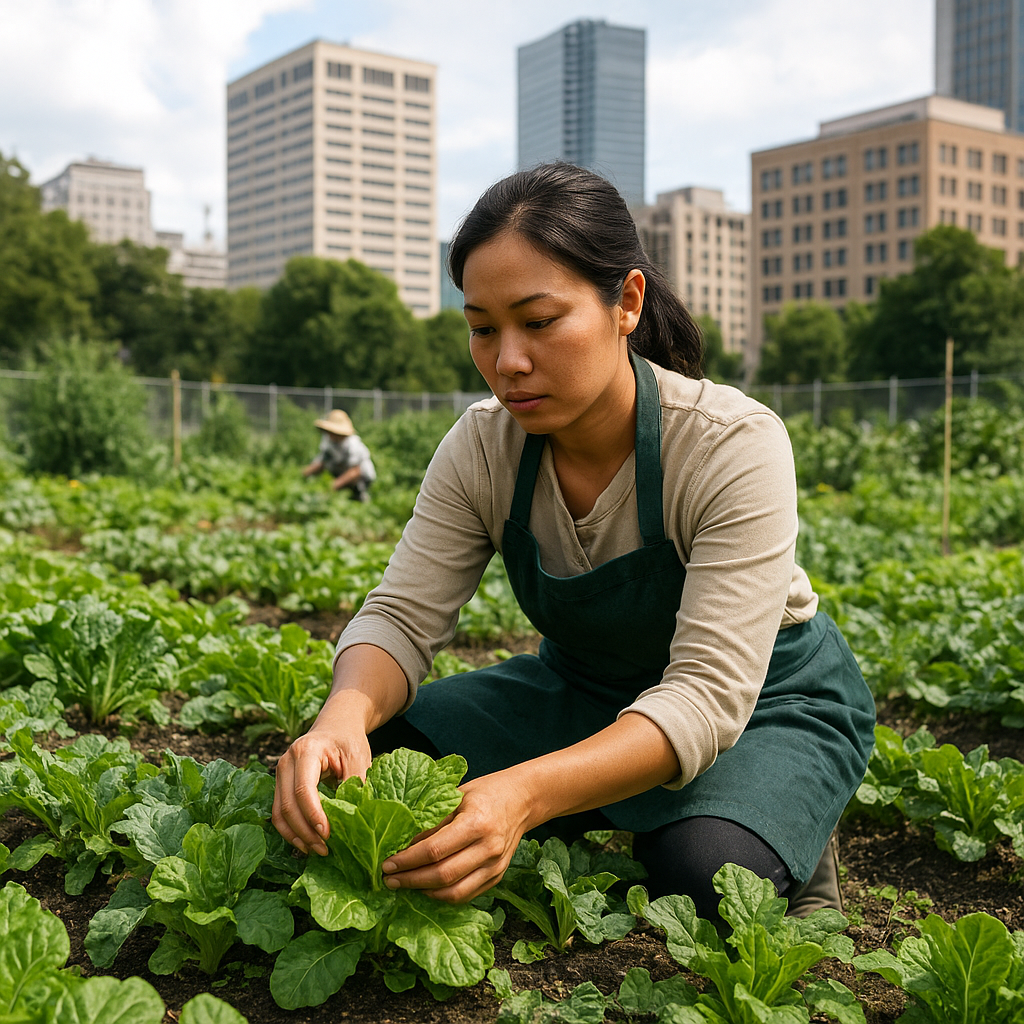
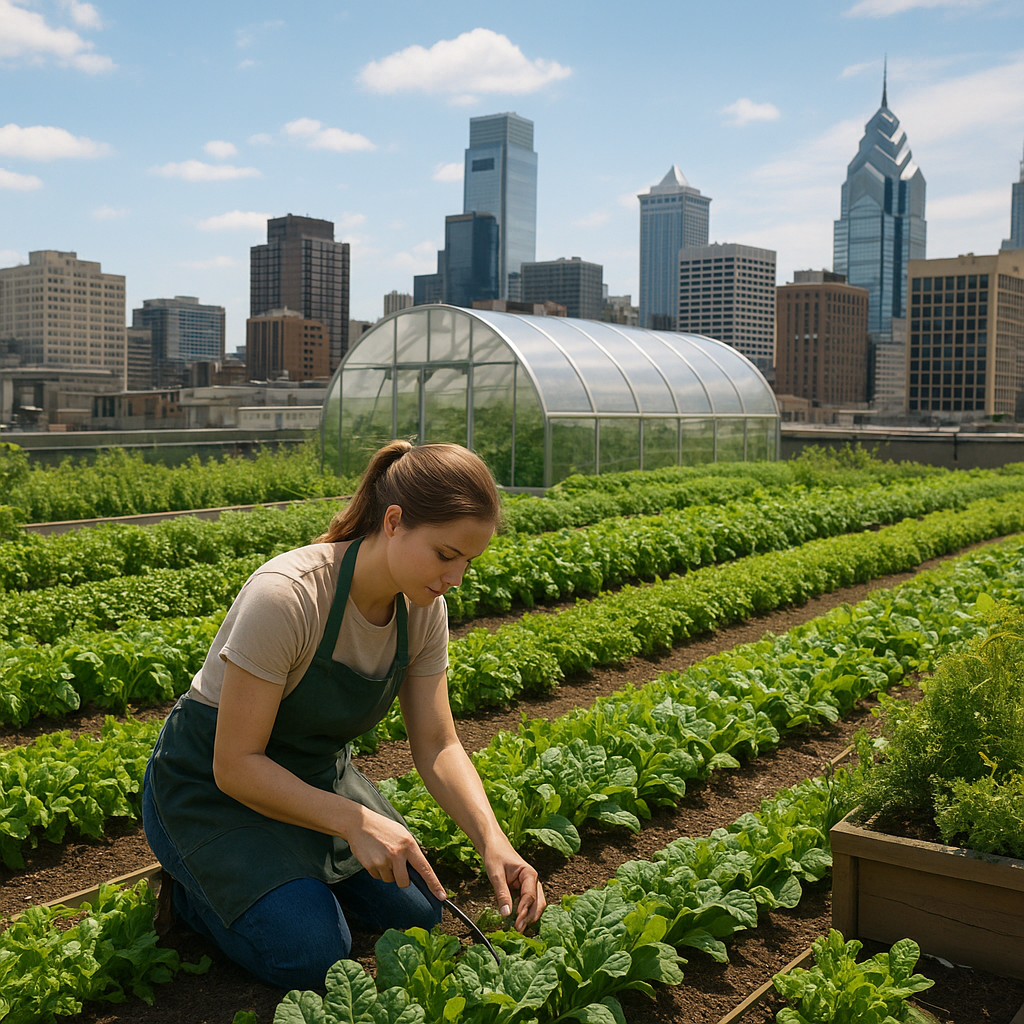
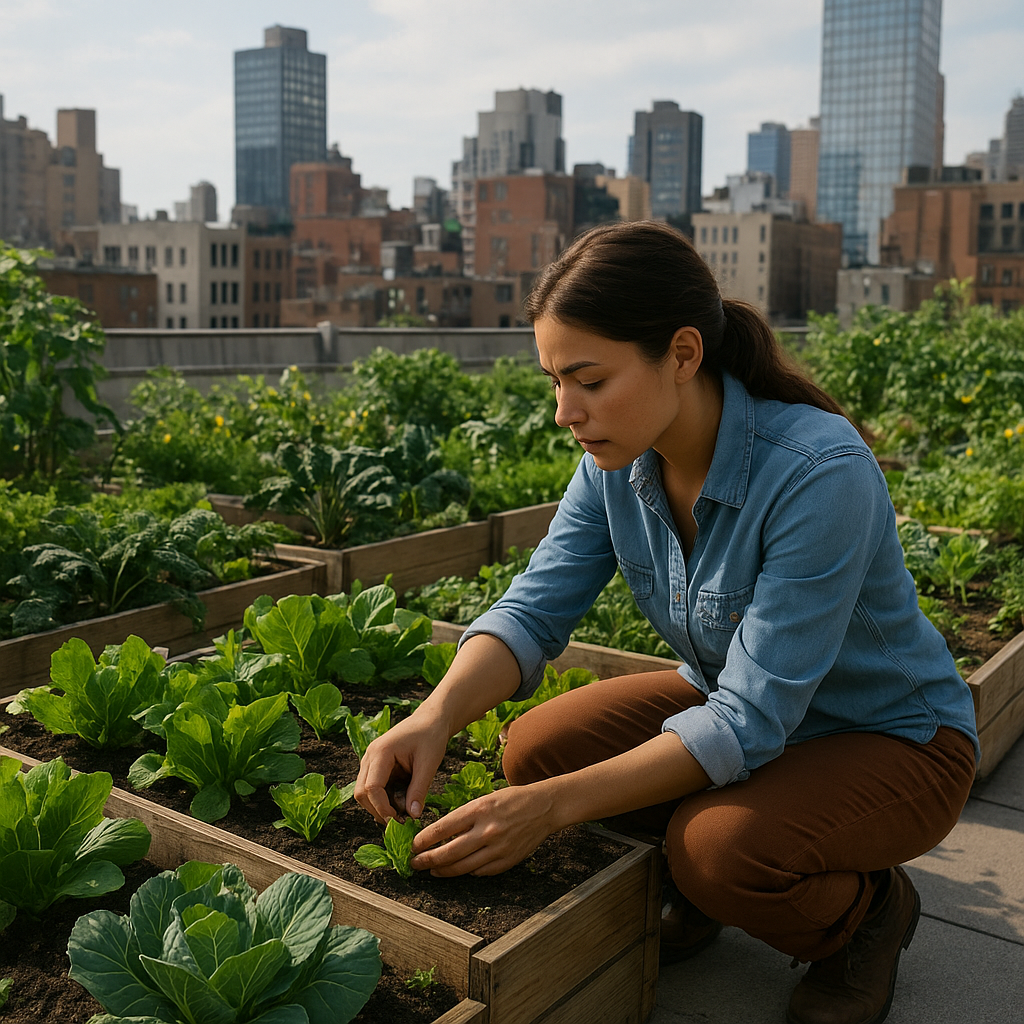
In densely populated cities, empty rooftops and vacant lots are being transformed into productive green spaces. These sites not only supply fresh herbs and leafy greens to neighborhood restaurants but also serve as educational hubs for students and community members. Urban farms epitomize the farm-to-table ethos by bringing agriculture to the heart of metropolitan life.
Policy and Education
Governments can accelerate progress by offering tax incentives for small-scale farmers, simplifying licensing for direct sales, and funding agricultural extension services focused on sustainable practices. Complementary curricula in schools and vocational programs help instill an appreciation for community-centered food systems in younger generations.
As the farm-to-table movement continues to evolve, it underscores a compelling vision: a global agricultural network rooted in local stewardship, ecological mindfulness, and social equity. By embracing these principles, stakeholders worldwide are forging resilient food systems that nourish both people and planet.