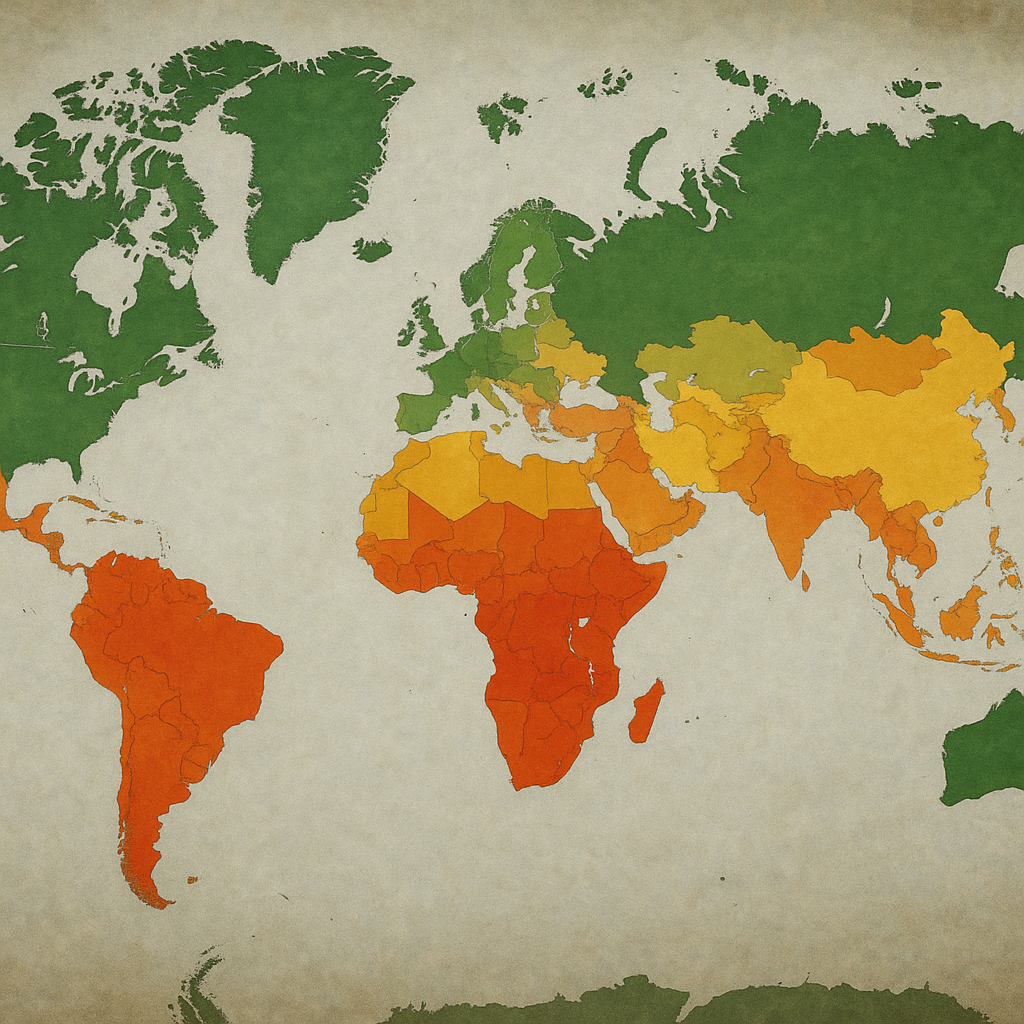
An increasing number of consumers, policymakers, and producers are engaging in a debate about farm animal welfare standards worldwide. This discussion spans ethical considerations, market demands, and public health concerns, and is shaped by varying legal frameworks and cultural traditions. By comparing practices across regions, we can identify common challenges and emerging solutions aimed at promoting sustainable and humane livestock systems.
Regulatory Approaches in Developed Economies
In many wealthy nations, public pressure and scientific research have driven the adoption of progressive legislation to protect farm animals. Yet significant differences remain in the scope, enforcement, and practical impact of these rules.
European Union: Comprehensive Frameworks
The EU has established some of the most detailed welfare rules, covering housing, transport, and slaughter methods. Key elements include:
- Species-specific directives mandating minimum space allowances and proper enrichment for pigs, poultry, and bovines.
- Strict transport regulations limiting journey times and requiring rest periods to ensure animal comfort.
- Mandatory inspections to guarantee compliance with welfare standards along the entire production chain.
Member states may implement higher protections, leading to a patchwork of additional national rules that farmers must navigate. Ongoing debates focus on farm size exemptions and potential phase-outs of certain intensive systems.
North America: Voluntary Initiatives vs. Law
In the United States and Canada, much of the welfare progress has been driven by retailer policies, NGO campaigns, and consumer preferences. Unlike the EU, federal laws remain comparatively limited:
- Some states have passed bans on extreme confinement systems, such as veal crates and battery cages.
- Major food companies and restaurant chains pledge to source eggs, pork, or chicken from cage-free or group-housed suppliers, often using third-party certification.
- Despite these movements, no single nationwide code governs on-farm care, making transparency and tracking difficult.
Canada has introduced federal guidelines for poultry and swine housing, but lacks legal teeth. As a result, enforcement remains uneven, and farmers may face conflicting demands from different buyers.
Australia and New Zealand: Balancing Tradition and Reform
In Australasia, strong agricultural sectors rely heavily on intensive livestock production for export. Government policy has favored industry-led standards, with a voluntary accreditation system for animal care. While some producers exceed national guidelines, critics argue that weak oversight and low penalties undermine real progress.
Challenges in Emerging Regions
Lower-income countries often struggle to adopt stringent animal welfare rules due to limited resources, competing development goals, and cultural norms that prioritize productivity over accountability. However, rapid growth in livestock demand is raising concerns.
Asia: Rapid Expansion and Diverse Practices
Asia’s livestock sector is expanding faster than any other region. In countries like China and India:
- Smallholder farms dominate the landscape, making uniform standards hard to implement.
- Wet markets and live-animal trade remain widespread, posing both welfare and public health challenges.
- Some multinational firms have introduced higher welfare protocols in export-oriented operations, but local supply chains often lack formal oversight.
Efforts to educate farmers about biosecurity and humane handling are growing, with NGOs partnering with local agencies. However, enforcement of new rules remains patchy.
Africa: Resource Constraints and Cultural Factors
Across Africa, livestock supports rural livelihoods and food security. Most animals graze freely or in low-density enclosures. Welfare issues include disease outbreaks, malnutrition, and traditional slaughter methods. Challenges include:
- Scarcity of veterinary services and technical expertise.
- Difficulties in integrating smallholders into formal markets requiring animal care standards.
- Cultural practices that may conflict with Western welfare concepts.
Some governments are introducing basic guidelines for handling and transport, but lack of funding hampers innovation in monitoring and capacity building.
Latin America: Export Pressures and Domestic Needs
Major exporters such as Brazil, Argentina, and Mexico face increasing demand from markets with strict welfare criteria. This dynamic has led to:
- Private sector investments in welfare training and auditing systems aligned with international buyers.
- Mixed progress in domestic policy—some countries have drafted animal protection laws, but few have passed robust measures.
- Growing public awareness campaigns, driven by urban consumers concerned about food safety and ethics.
Balancing sustainability goals with profitability remains a primary obstacle for many producers.
Innovations and Future Directions
The quest for better farm animal care is fueling new technologies and business models aimed at bridging regulatory gaps and improving conditions for both animals and producers.
- Precision livestock farming: Sensors, cameras, and artificial intelligence monitor health, behavior, and environment in real time, enabling early interventions.
- Blockchain traceability: Distributed ledgers record each step of an animal’s journey, enhancing transparency and consumer trust.
- Alternative proteins: Growth of plant-based and cell-cultured meat may reduce reliance on intensive systems in the long run.
- Community-based certification: Farmer cooperatives establish local welfare standards that satisfy both cultural practices and export market demands.
- Education and capacity building: Programs teach best practices for handling, housing, and humane slaughter, often funded by international development agencies.
As global supply chains become more interconnected, pressure will mount on lagging regions to raise their animal care performance. Collaborative efforts between governments, industry, and civil society can foster a harmonized approach that upholds animal dignity, supports rural livelihoods, and ensures long-term sustainability.