Agricultural innovations are shaping the future of food security by equipping farmers with new tools to withstand extreme weather, emerging pests, and shifting climatic patterns. Farmlands spanning every continent are adopting climate-resilient crops to secure stable harvests, protect rural livelihoods, and promote environmental health. This exploration delves into global trends, cutting-edge research, hands-on experiences, and emerging horizons that underscore the crucial role of resilient agriculture in today’s changing world.
Global Shifts in Farming Practices
Across Africa, Asia, the Americas, and Europe, farm communities are rethinking traditional methods in favor of systems that prioritize resilience and long-term viability. From smallholder plots in sub-Saharan regions to expansive grain belts in North America, growers are:
- Integrating drought-tolerant grains into rotation plans.
- Adopting no-till or reduced-till approaches to conserve soil moisture.
- Implementing rainwater harvesting and micro-irrigation schemes.
These strategies foster sustainability by maintaining soil structure, enhancing organic matter content, and curbing erosion. Intercropping systems—where legumes, cereals, and cash crops are cultivated symbiotically—boost overall yields while diversifying income sources for farm families.
In regions prone to flash floods or prolonged dry spells, farmers are experimenting with raised beds, bunds, and contour planting to modulate water flow and retention. Government agencies and nongovernmental organizations are collaborating to disseminate best practices, conduct workshops, and provide seeds of promising varieties. As a result, communities once struggling with erratic rainfall are reporting more predictable harvests, reducing food insecurity and stabilizing local markets.
Cutting-Edge Development of Resilient Varieties
Plant breeders and agronomists are racing to harness genetic potential and advanced bioengineering techniques to confront mounting environmental stressors. Key developments include:
- Marker-assisted selection for traits like root depth, stomatal regulation, and heat tolerance.
- Genome editing tools, such as CRISPR-Cas, to accelerate trait incorporation without introducing extraneous DNA.
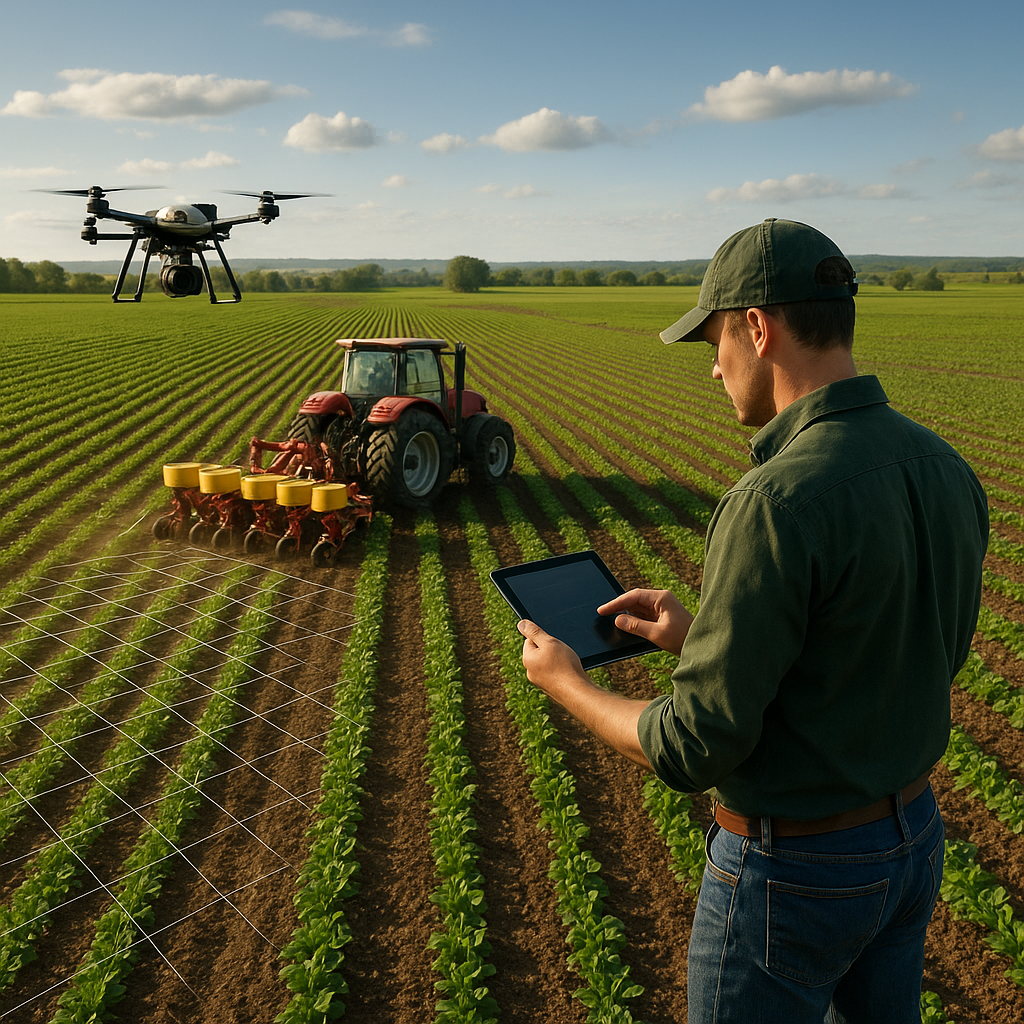
- Conventional hybridization programs enhanced by high-throughput phenotyping platforms (drones, sensors, AI-driven imaging).
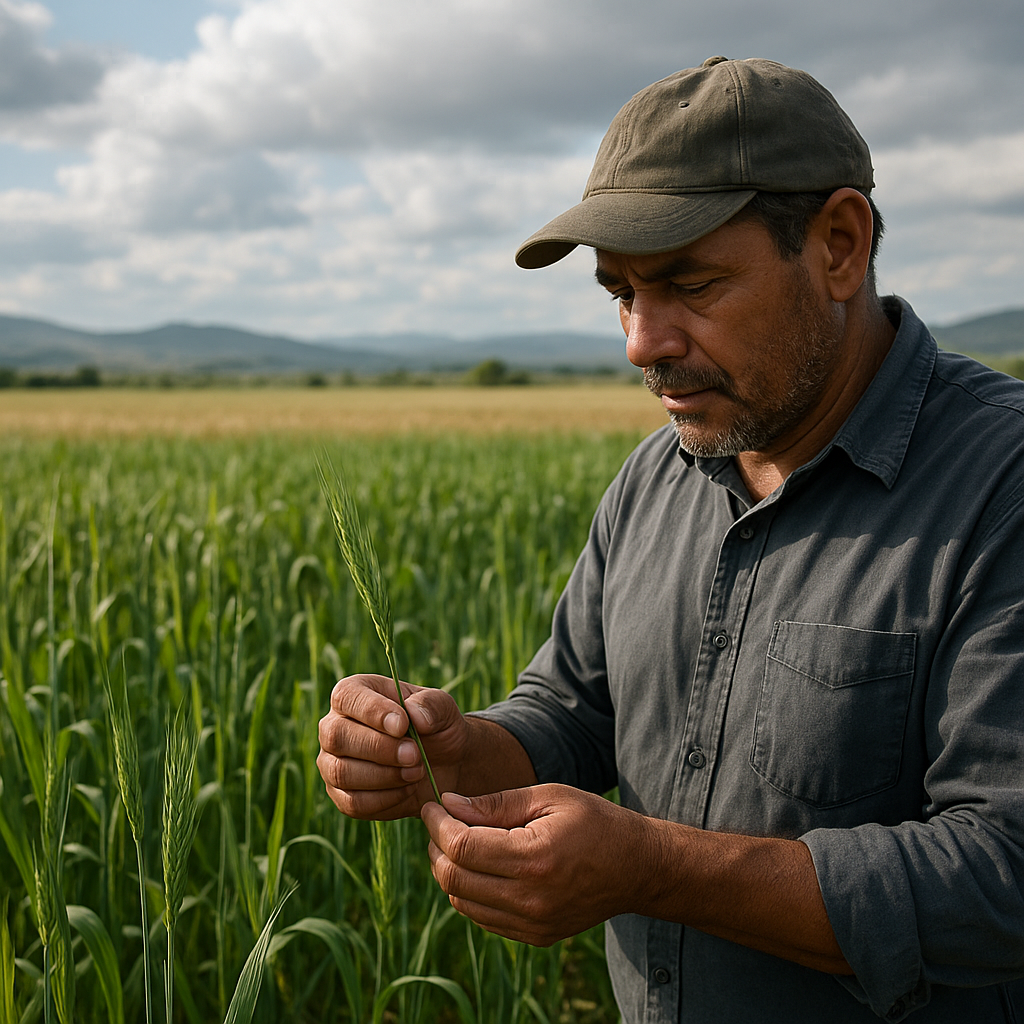
For instance, next-generation wheat and maize lines exhibit remarkable resistance to terminal drought by maintaining turgor pressure and efficient stomatal conductance during critical reproductive stages. Meanwhile, rice breeding networks in South Asia have unveiled flood-escaping cultivars that elongate stems rapidly when submerged, a trait borrowed from wild relatives.
Collaborative research hubs in Europe and North America are exploring polygenic approaches to safeguard against multiple threats simultaneously. By stacking genes associated with cold tolerance, disease resistance, and nutrient use efficiency, these crops promise robust performance under unpredictable environments. The emphasis on root architecture has also surged; deeper, more branched root systems improve water and nutrient capture, offering a tangible edge when resources are scarce.
Field Trials and Farmer Experiences
Translating laboratory breakthroughs into on-farm success requires extensive field assessments, local adaptation trials, and participatory research models. Over the past five years:
- A network of demonstration plots in East Africa has shown that new bean varieties can increase pod counts by up to 40% during dry seasons.
- Community seed banks in Central America are distributing sorghum lines resilient to both heat stress and fall armyworm infestations.
- Cooperative extension services in Australia have introduced barley cultivars capable of setting grain at elevated soil salinity levels.
Many farmers report noticeable improvements in crop uniformity, maturity timing, and post-harvest quality. In Bangladesh, experimental trials of climate-smart rice reduced yield losses by nearly 30% during unanticipated monsoon surges. Testimonials highlight how farmers used reduced irrigation schedules—saving up to 25% of water—without significant declines in overall productivity.
Peer-to-peer learning models have accelerated adoption rates. Experienced growers mentor newcomers on best practices for seed selection, planting density adjustments, and integrated pest management. Mobile advisories and digital platforms further enhance knowledge sharing, connecting thousands of rural producers with real-time weather alerts, disease outbreak maps, and market price indices.
Advancing Systems-Level Approaches
Resilient crops alone cannot solve every challenge. Holistic strategies that weave together policy support, ecosystem stewardship, and socio-economic incentives are essential:
Policy and Institutional Frameworks
Governments worldwide are revising agricultural policies to reward climate-smart innovations. Incentive schemes include:
- Subsidized seed distribution for certified resilient varieties.
- Insurance programs that index payouts to local weather station data.
- Tax breaks or low-interest loans for farmers adopting conservation agriculture.
These measures encourage wider adoption, ensure seed systems remain robust, and protect smallholders against unforeseen crop failures.
Integrating Biodiversity and Ecosystem Services
Maintaining agricultural landscapes that support beneficial insects, pollinators, and natural enemies of pests underpins long-term resilience. Strategies such as:
- Establishing flower-rich field margins and buffer strips.
- Preserving wetlands or riparian corridors adjacent to farmlands.
- Rotating cover crops to suppress soil-borne diseases and enhance biodiversity.
These practices not only bolster crop health but also sequester carbon, mitigate greenhouse gas emissions, and buffer against extreme weather events.
Empowering Rural Communities
To achieve meaningful impact, development agencies are blending technical training with initiatives that strengthen farmer cooperatives, support women-led enterprises, and foster youth engagement. When local stakeholders co-design interventions—selecting preferred crop traits, tailoring agronomic calendars, or negotiating market linkages—the resulting programs exhibit higher cultural relevance and sustainability.
Future Directions and Innovations
Looking ahead, several emerging frontiers hold promise for elevating agricultural resilience even further:
- Harnessing big data analytics and machine learning to predict pest outbreaks and optimize planting schedules.
- Utilizing remote sensing and Internet of Things (IoT) networks for real-time soil moisture, nutrient, and weather monitoring.
- Biotechnological advances in synthetic biology to develop crops that produce their own stress-protective metabolites.
- Expanding public-private partnerships to fund large-scale breeding programs and seed distribution channels.
In parallel, a growing emphasis on climate-smart value chains is driving investments in post-harvest storage, processing infrastructure, and transport logistics. By reducing losses and preserving nutritional quality, these enhancements contribute to overall food system resilience.
Ultimately, the journey to resilient agriculture is a collective endeavor, integrating scientific breakthroughs with on-the-ground wisdom. As farmers, researchers, and policymakers forge new alliances, the widespread adoption of climate-adapted crops promises to safeguard food supplies, revitalize rural economies, and nurture ecosystems for generations to come.