The unprecedented rise in global temperatures has set the agricultural sector on a transformative journey. Farmers around the globe are grappling with erratic weather patterns, dwindling water supplies, and more frequent extreme events. This article explores how these dynamics are reshaping farm operations, from planting schedules to technological adoption, and highlights the collective drive toward a more sustainable and resilient future.
Changing Weather Patterns and Crop Yields
Temperature shifts and their effects
Across major growing regions, average temperatures have climbed by more than 1°C over the last century. Even seemingly small increases can push crops beyond their optimal range. Wheat, maize and rice varieties falter under heat stress during critical flowering stages, resulting in lower yields and quality losses. Farmers must now experiment with heat-tolerant cultivars or adjust sowing dates to avoid the hottest weeks, often at the expense of traditional cropping calendars.
Precipitation variability
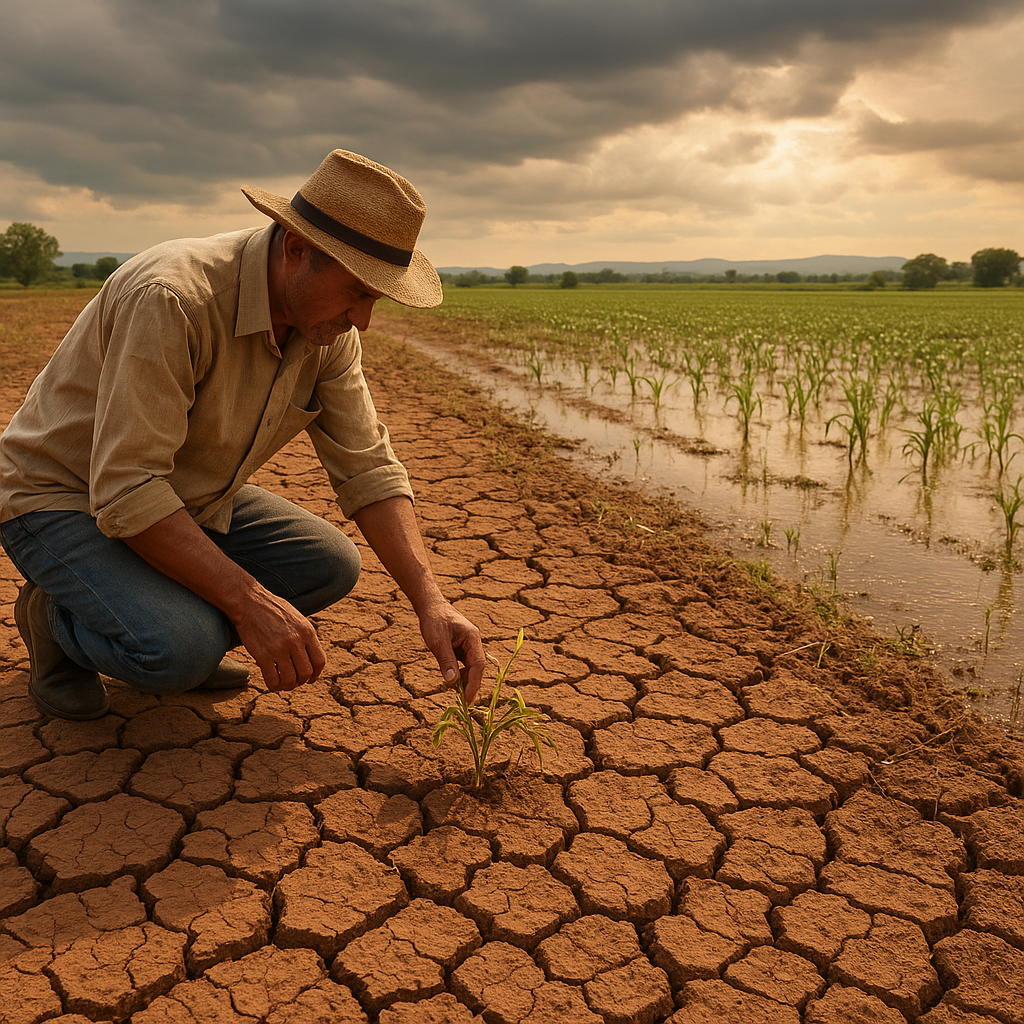
Rainfall patterns have become more unpredictable. Some regions experience prolonged droughts, while others witness torrential downpours. The shift from regular seasonal rains to dance of extremes forces farmers to invest in robust drainage systems or store water during unexpected floods. Without reliable forecasts, field operations become a gamble, affecting seed germination and nutrient uptake. This variability threatens both food security and farmer livelihoods.
Water Scarcity and Irrigation Challenges
Groundwater depletion
In arid and semi-arid zones, over-extraction of aquifers for irrigation has led to rapidly declining water tables. Regions such as Northern India, California’s Central Valley, and parts of North Africa see wells going dry, compelling growers to drill deeper or abandon farmland. This cycle of depletion undermines long-term resilience and amplifies competition between agricultural and urban demands.
Innovative irrigation methods
To combat scarcity, farmers are turning toward precision irrigation. Techniques like drip systems deliver water directly to the root zone, reducing losses from evaporation. Smart sensors and remote monitoring platforms allow real-time adjustments based on soil moisture and weather forecasts. These technologies not only conserve water but also optimize fertilizer use, curbing nutrient runoff and enhancing crop health.
- Drip and micro-spray emitters
- Soil moisture and salinity probes
- Drought-tolerant seed varieties
- Rainwater harvesting tanks
Extreme Weather Events and Farm Resilience
Storms and floods
Intensified cyclones, hurricanes and monsoonal floods wreak havoc on farmland. Heavy winds uproot orchards, while waterlogged soils hinder oxygen flow and root development. In coastal zones, salinization from storm surges poisons fields for years. Farmers are adopting raised beds, constructing levees, and planting barrier species to shield against wind damage. Yet, insurance premiums and recovery costs strain already tight budgets.
Droughts and heatwaves
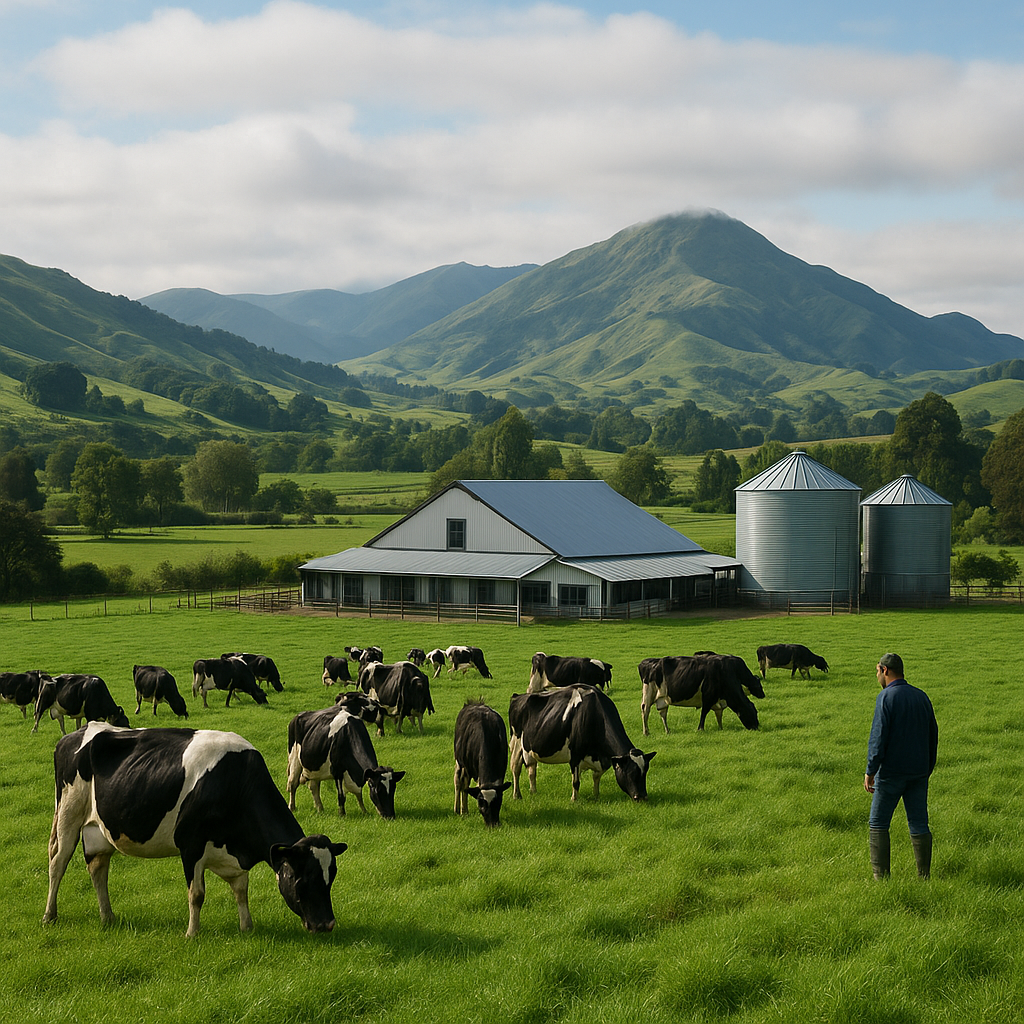
Extended droughts and record-breaking heatwaves can devastate both rainfed and irrigated systems. Livestock suffer from heat stress, reducing fertility and milk production. Pastures wither, forcing early culling or feed imports. Crop rotation schemes now incorporate heat-adapted cover crops to maintain soil organic matter, while shade nets and cooling systems protect greenhouse operations in hotter zones.
Impact on Biodiversity and Soil Health
Changing climates influence the balance of pests, diseases and beneficial organisms. Warmer winters allow overwintering of harmful insects, while fungal pathogens expand into new territories. This biotic shift endangers crop health and necessitates novel pest management strategies. Simultaneously, extreme weather accelerates soil erosion, reducing fertility and carbon storage capacity. Practices such as no-till farming, agroforestry and cover cropping emerge as key tools to restore soil structure and promote biodiversity.
Adaptation Strategies and Technological Innovations
Precision agriculture
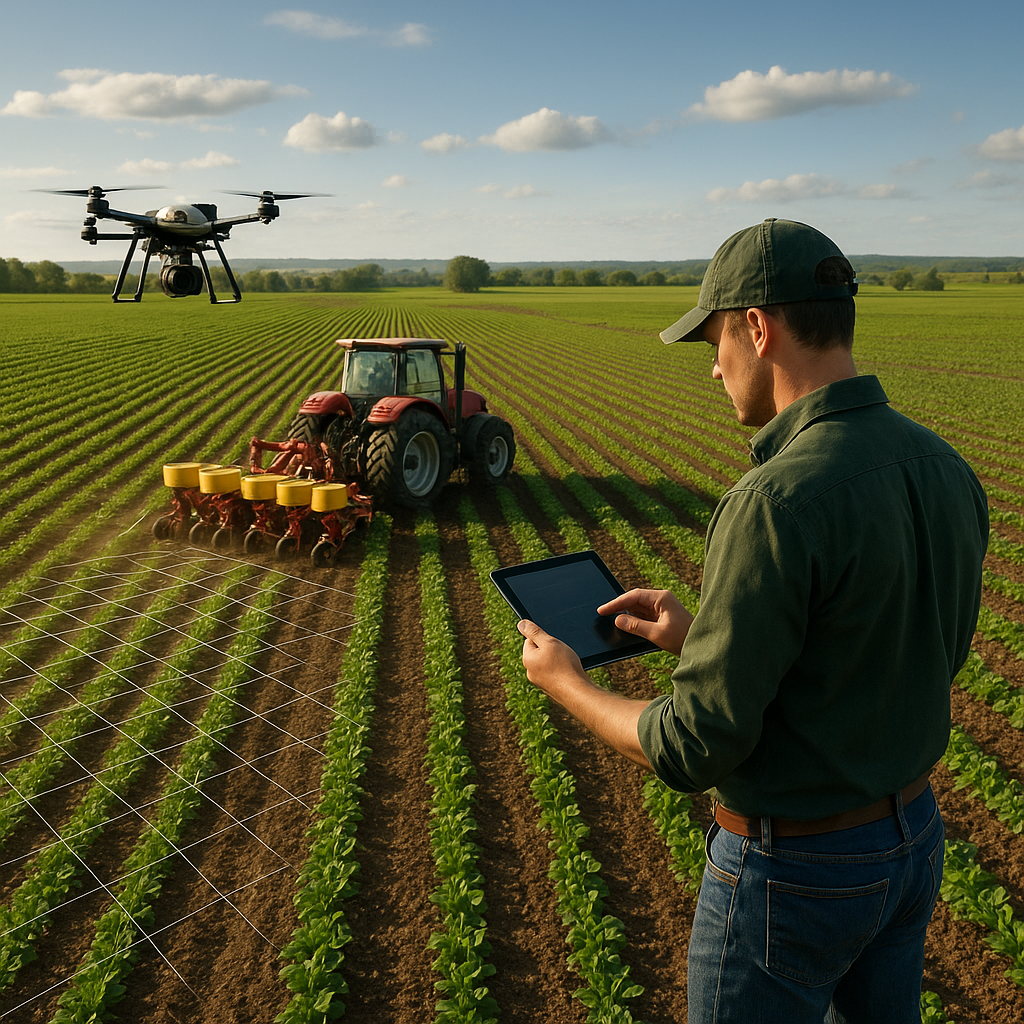
GPS-guided tractors, drone imagery and data analytics revolutionize how farmers make decisions. Field-level mapping of nutrient deficiencies, pest hotspots and moisture levels enables targeted interventions. By applying inputs only where needed, growers reduce waste and environmental impact while maximizing output. The integration of machine learning models forecasts yield anomalies before they occur, providing early warnings and actionable insights.
Sustainable farming practices
Regenerative approaches such as crop diversification, integrated pest management and organic amendments strengthen on-farm ecosystems. Rotating cereals with legumes improves nitrogen cycling, while intercropping enhances resource use efficiency. Compost and biochar applications rebuild soil organic matter and improve water retention. Coupled with carbon sequestration initiatives, these methods offer pathways for agriculture to become a net carbon sink rather than a source.
Policy, Finance and Community Engagement
Governments and development agencies play a pivotal role in enabling farmer adaptation. Subsidies for climate-resilient infrastructure, low-interest loans for technology adoption, and insurance schemes against crop failure can provide vital buffers. Community-led platforms facilitate knowledge sharing and peer-to-peer learning, empowering smallholders to implement best practices. Public–private partnerships are crucial to scale innovations and ensure equitable access to resources.
The Road Ahead
As global temperatures continue to climb, the agricultural sector stands at a crossroads. Embracing a combination of traditional wisdom and cutting-edge innovation will be essential to meet rising food demands and safeguard rural economies. By fostering collaboration among scientists, policymakers and farmers, the world can cultivate a truly resilient agricultural future.