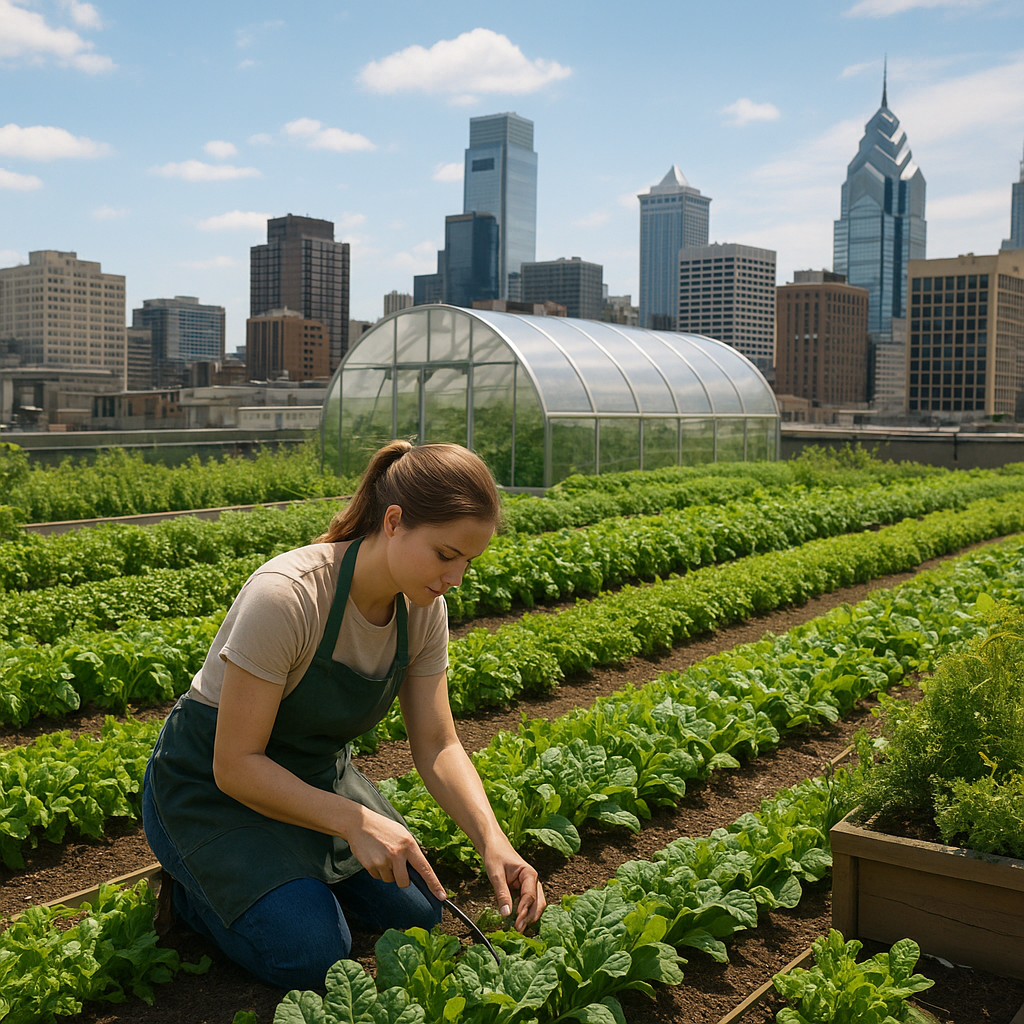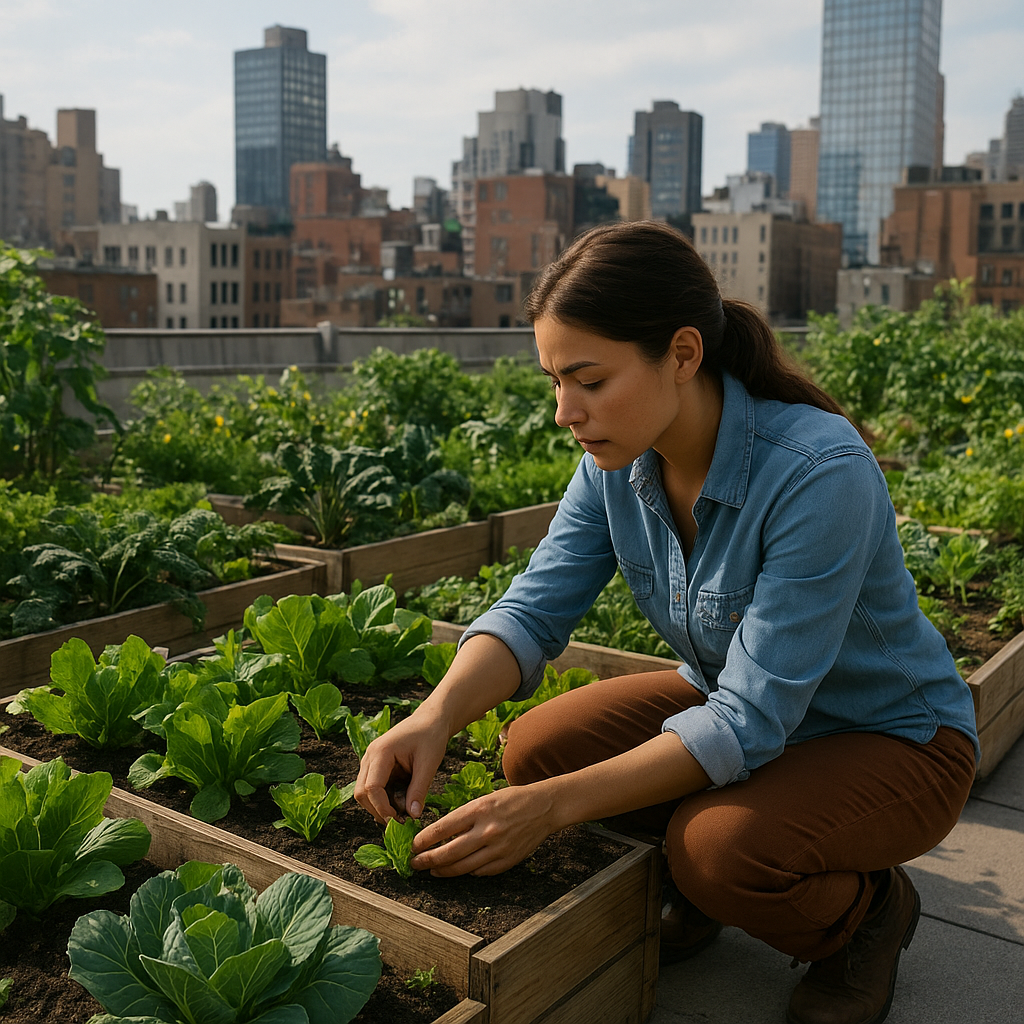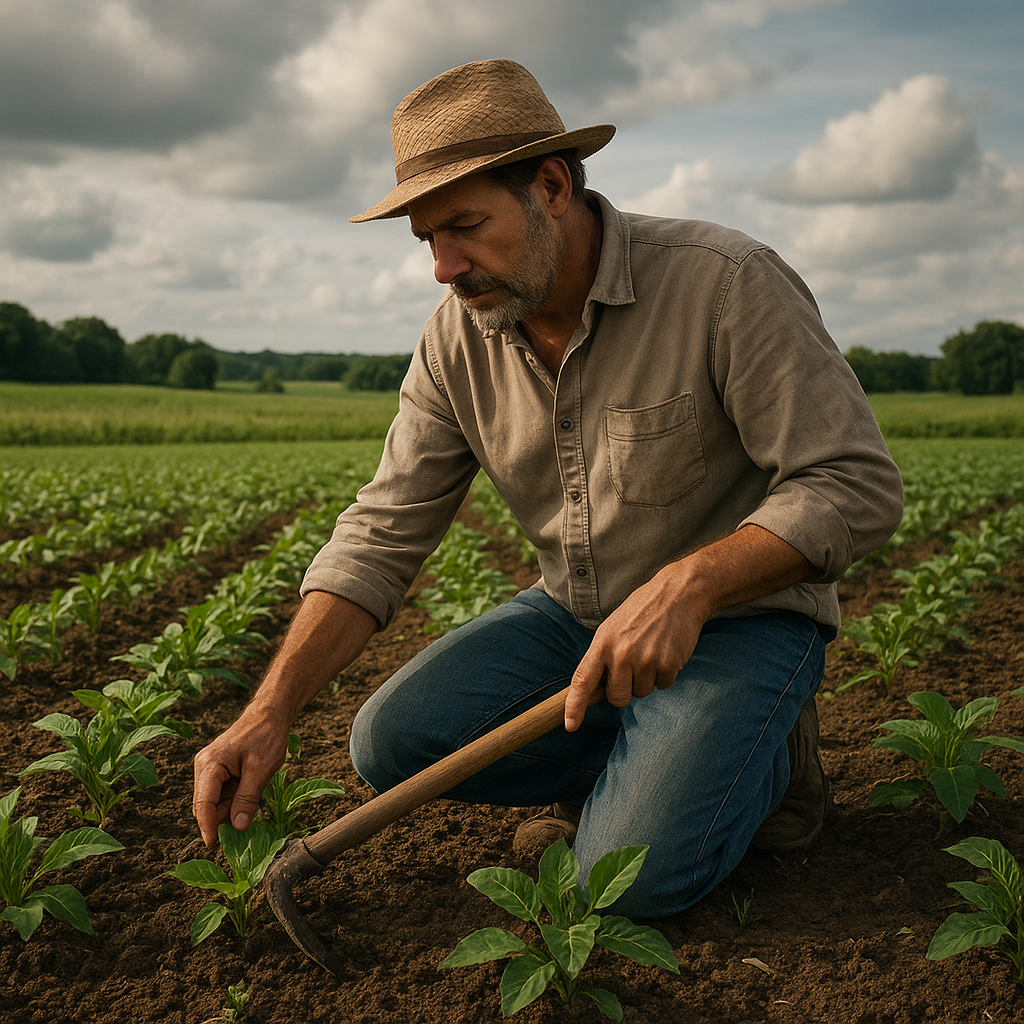
Carbon farming has emerged as a powerful approach to reduce atmospheric carbon dioxide and restore agricultural landscapes. By harnessing natural processes, farmers around the globe are not only enhancing **soil health** but also fortifying their operations against the impacts of a changing climate. As attention turns toward scalable solutions for **greenhouse gases** mitigation, carbon farming proves to be an essential strategy within the larger context of **regenerative agriculture**. This article explores the multifaceted benefits, innovative methods, obstacles, and technological developments driving this movement forward in world farms.
Benefits of Carbon Farming for Global Agriculture
Implementing carbon farming techniques brings a host of advantages that extend beyond just carbon reduction. When farmers adopt practices that enhance **carbon sequestration**, they often see immediate improvements in yield stability, water retention, and nutrient cycling. Healthier soils cultivate stronger root structures, which can withstand droughts and heavy rains more effectively, ultimately increasing **climate resilience**.
- Enhanced Soil Structure: Improved aggregation and porosity allow for better air and water flow.
- Water Conservation: Organic matter holds moisture, reducing irrigation needs and enabling crops to endure dry periods.
- Increased Biodiversity: Diverse cropping systems support beneficial insects, earthworms, and microorganisms.
- Pest and Disease Suppression: Stronger, well-nourished plants are less susceptible to outbreaks.
- Economic Co-benefits: Access to emerging carbon credit markets provides new revenue streams for **sustainable** farming operations.
These benefits underscore how an integrated approach to land management can transform farms into vibrant ecosystems that deliver multiple **ecosystem services**. Rather than focusing on yield maximization alone, carbon farming encourages holistic stewardship of land and resources.
Innovative Carbon Farming Practices Across Continents
Farmers worldwide are experimenting with a range of techniques designed to draw down carbon and store it safely in the soil. While local conditions vary, several methods have gained momentum for their effectiveness and adaptability.
Agroforestry Systems
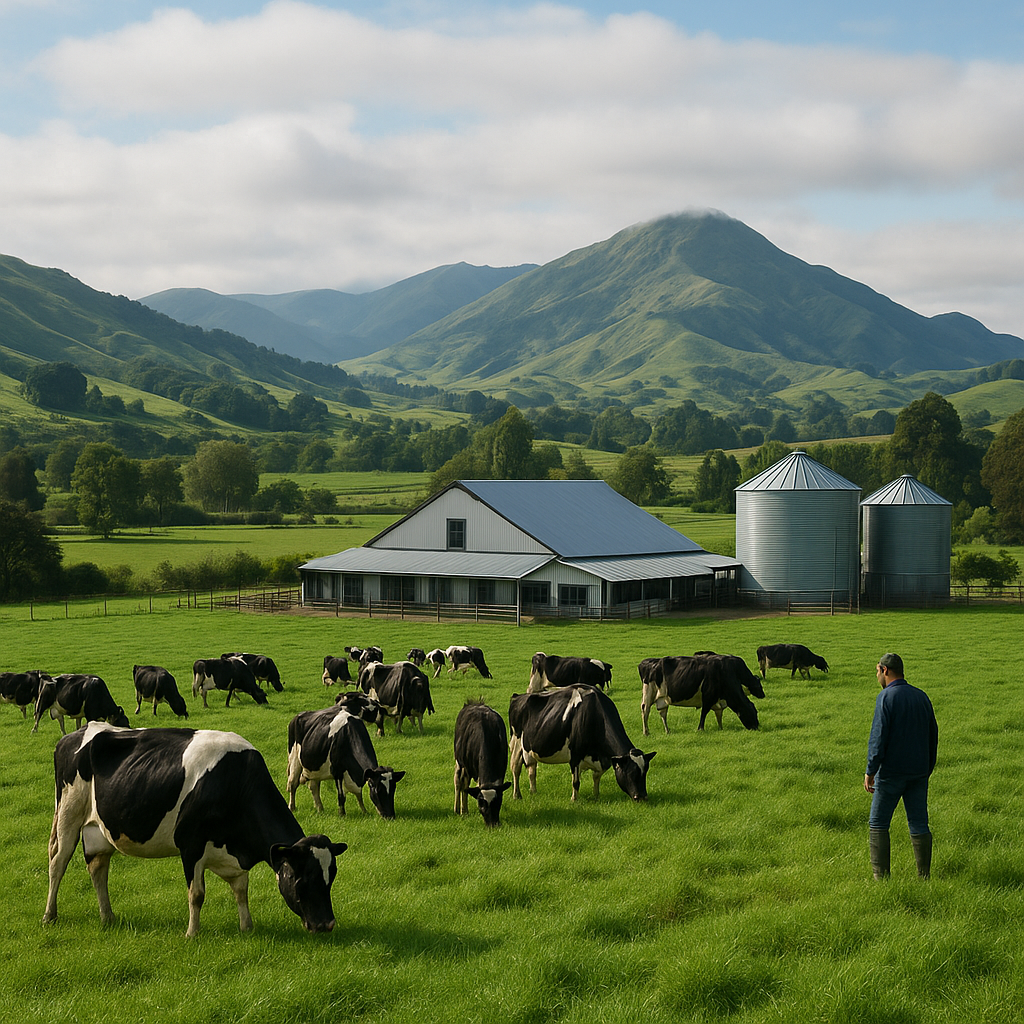
By integrating trees into croplands and pastures, agroforestry combines the **productivity** of agriculture with the long-term carbon storage capacity of forests. In West Africa, alley cropping—planting rows of leguminous trees between cereal crops—has boosted maize yields by up to 30% while locking carbon in woody biomass. Similarly, in Brazil, silvopasture systems are providing shade and forage for cattle, improving animal welfare, and sequestering tons of carbon per hectare each year.
Cover Cropping and Crop Rotation
Planting cover crops such as clover, rye, or radish during off-season periods prevents soil erosion and captures residual nitrogen. These crops can be incorporated into the soil as green manure, adding organic matter and enhancing nutrient availability. In the European Union, widespread adoption of cover cropping has reduced synthetic fertilizer use by 15%, with correspondingly lower nitrous oxide emissions—a potent greenhouse gas.
No-Till and Reduced Tillage
Minimizing soil disturbance protects the existing carbon pool and preserves the structure that supports microbial communities. American farmers practicing no-till have reported a 20–40% increase in soil organic carbon over a decade. Additionally, reduced fuel consumption and lower machinery costs translate into financial savings.
Biochar Application
Biochar, a form of charcoal produced from biomass, can be applied to fields to improve soil fertility and trap carbon for centuries. In regions of Southeast Asia, rice husk–derived biochar has led to yield gains of 10–20% and reduced methane emissions from flooded paddies. This approach merges waste management with carbon storage and soil enhancement.
Challenges in Adoption and Scaling Carbon Farming
Despite the clear advantages, several barriers impede widespread uptake of carbon farming. Overcoming these obstacles will be crucial to achieving global climate goals and ensuring that smallholders and large-scale producers alike can benefit.
- Measurement and Verification: Quantifying soil carbon is complex and often expensive, requiring sophisticated sampling and analytical tools.
- Access to Finance: Upfront costs for new equipment or seeds for cover crops can be prohibitive without supportive credit or subsidy programs.
- Policy Gaps: Inconsistent incentives and regulatory frameworks vary by country, leaving many farmers uncertain about long-term support.
- Knowledge Transfer: Extension services are unevenly distributed, and many growers lack training on best practices for maximizing carbon gains.
- Market Volatility: Carbon credit prices can fluctuate, reducing the reliability of income from ecosystem service payments.
Addressing these challenges requires collaboration between governments, research institutions, agribusinesses, and farmer cooperatives to create clear standards, reliable markets, and robust support networks.
Emerging Technologies and Future Prospects
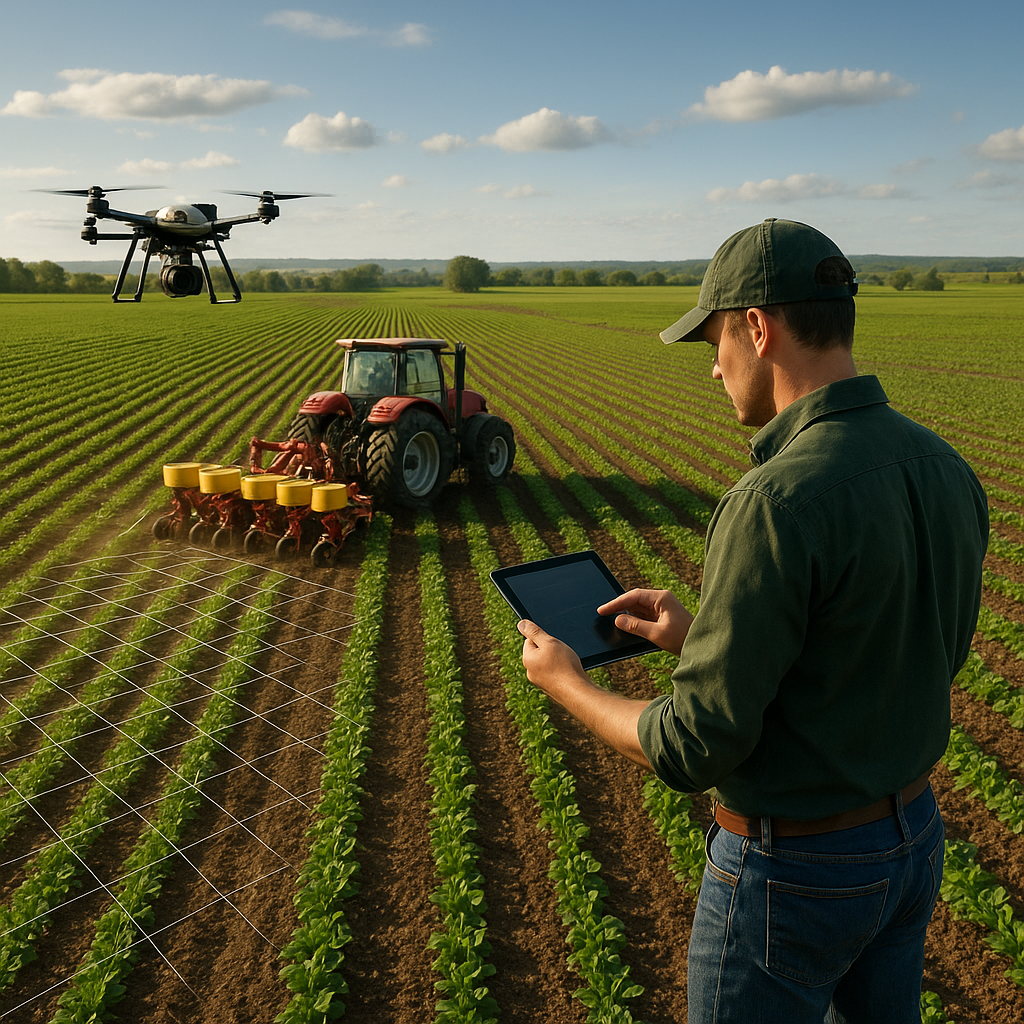
Advances in remote sensing, data analytics, and machine learning are poised to transform carbon farming by offering cost-effective monitoring solutions. Satellite imagery and drone surveys can track vegetation health and soil moisture patterns, while infrared spectroscopy analyzes soil organic matter in real time. Blockchain platforms are also being trialed for transparent carbon credit transactions, ensuring that farmers receive fair compensation for verified emission reductions.
In addition, gene editing and plant breeding are leading to cover crop varieties with deeper root systems, further enhancing carbon infiltration into subsoil layers. Biotechnology firms are exploring microbial inoculants designed to accelerate **nutrient cycling** and boost **carbon flux** into stable soil pools.
Public–private partnerships are critical for scaling these innovations. Initiatives in Australia, Canada, and Kenya are funding demonstration farms that showcase integrated carbon farming models. These living laboratories provide tangible evidence of how investments in **resilience** and environmental stewardship can yield both ecological and economic rewards.
Empowering Farmers for a Low-Carbon Future
To realize the full potential of carbon farming on world farms, comprehensive education and community engagement must accompany technological and policy efforts. Farmer-to-farmer networks, participatory research projects, and agri-tech incubators are fostering a culture of shared learning. When producers share success stories—from reduced input costs to increased farm income—they inspire peers to experiment with new approaches.
Ultimately, scaling carbon farming is about transforming agricultural systems into regenerative landscapes that function like natural ecosystems. By combining traditional knowledge with cutting-edge science, the global farming community is charting a path toward a more sustainable, **equitable**, and **climate-friendly** future.