Across continents and climates, a transformative wave is reshaping the landscape of global agriculture. Farms that operate without the use of animals are no longer hypothetical experiments but thriving enterprises driving profound shifts in production models and resource management. By combining cutting-edge technology, ecological principles, and ethical commitments, these operations are carving out a new paradigm for feeding a growing population while safeguarding the planet. Stakeholders from small-scale growers to multinational corporations are taking notice as yields improve, environmental footprints shrink, and consumer demand surges for products borne of cruelty-free methods.
The Rise of Animal-Free Farming
Over the past decade, regions once dominated by traditional livestock have witnessed the emergence of plant-based monocultures, hydroponic greenhouses, and cellular agriculture projects. These systems eliminate the need for raising and slaughtering animals, focusing instead on replicating or substituting animal-derived foods through alternative means. The appeal is multifaceted: producers seek to reduce greenhouse gas emissions, cut water usage, and bypass the complexities of animal husbandry. Such a shift exemplifies a holistic approach that values animal welfare alongside economic viability.
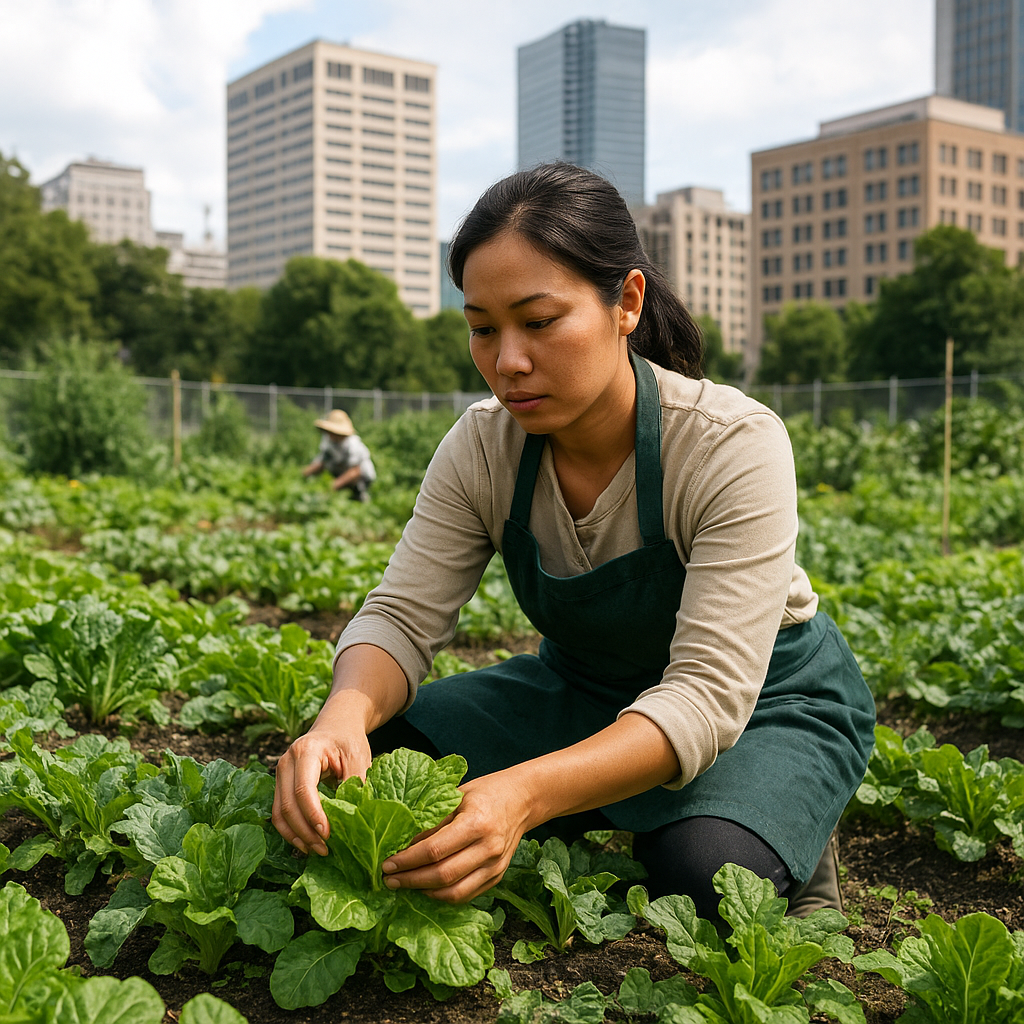
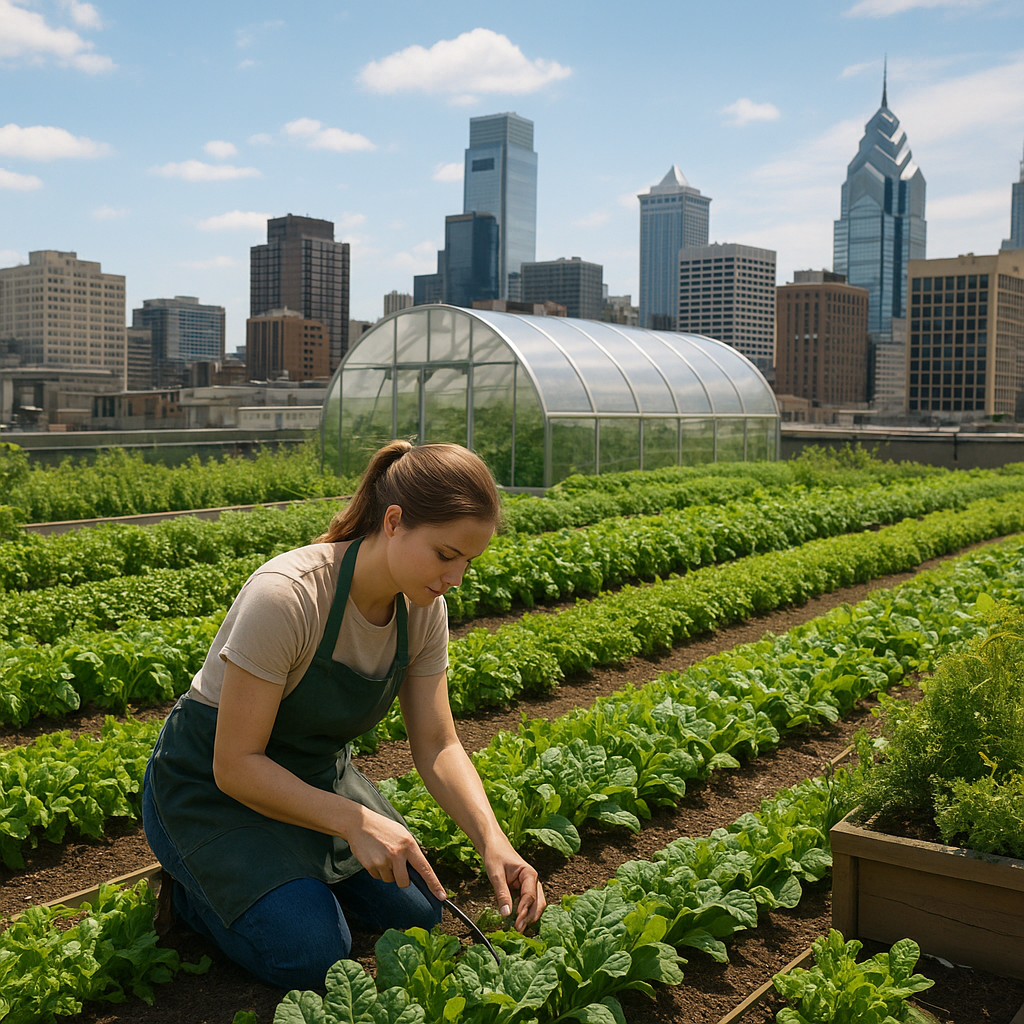
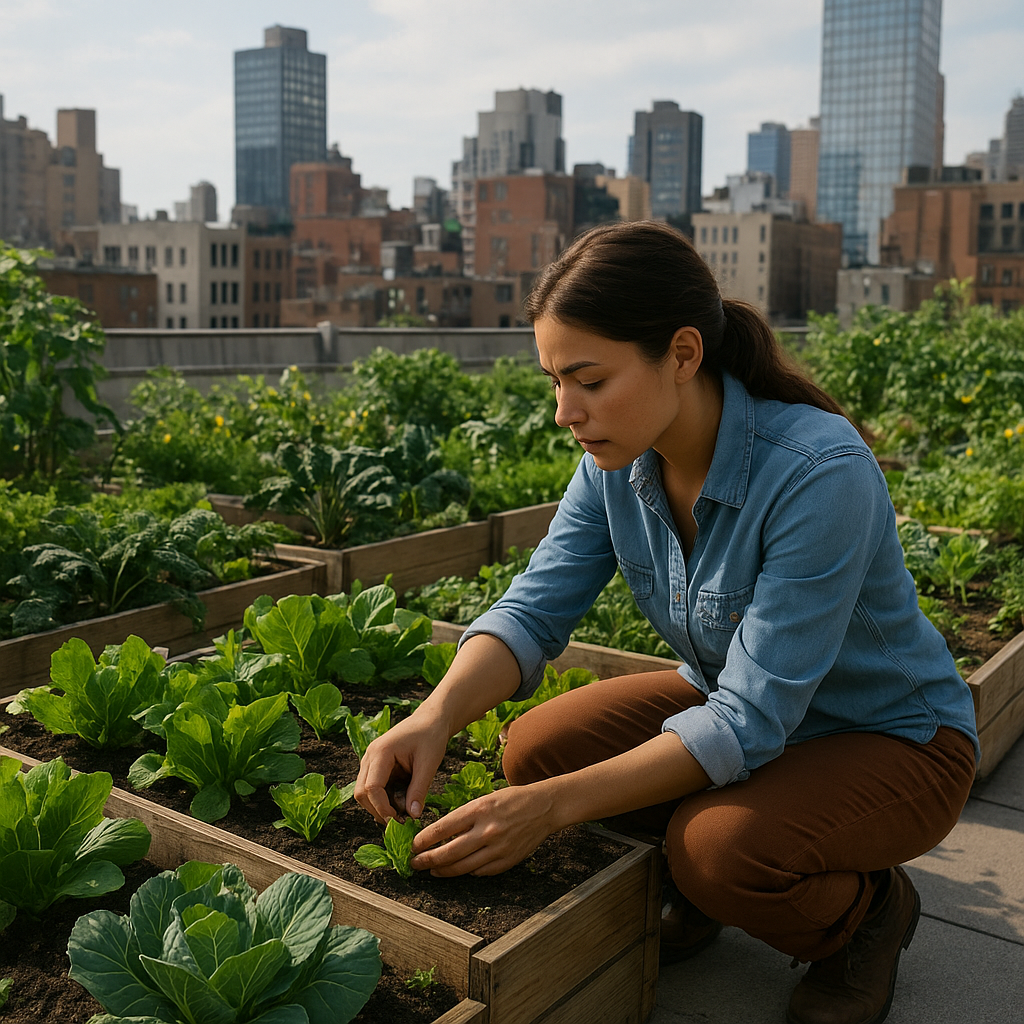
Numerous pilot programs have transformed vacant urban lots into vertical farms that deliver leafy greens to city dwellers at unprecedented speed. In rural areas, crop rotations optimized for continuous harvests displace grasslands once reserved for grazing. By redefining what constitutes a “farm,” stakeholders foster closer connections between producers and consumers. Digital marketplaces and community-supported agriculture (CSA) models amplify transparency, ensuring end-users understand the origin of their food and its environmental impacts.
The concept of a farm devoid of animals often prompts skepticism. Critics question whether yields can rival those of mixed operations and if nutritional profiles will match the standards set by dairy and meat products. Early successes, however, highlight that strategic crop selection—such as high-protein legumes and algae cultures—paired with fermentation technologies can generate ingredients that rival or surpass traditional sources. As more producers validate these methods, scalability becomes less an obstacle and more a milestone in progress.
Innovations Driving Productivity and Resource Use
At the heart of animal-free agriculture lies relentless innovation. From precision sensors that monitor nutrient levels to AI-driven algorithms predicting optimal harvest times, these farms are testbeds for pioneering solutions. Indoor vertical farms employ LED lighting tailored to each plant’s spectral needs, accelerating photosynthesis while minimizing energy waste. Simultaneously, aquaponics systems harness nutrient cycles, growing fish-free crops in water recycled from bioreactors.
One breakthrough involves lab-grown proteins produced through fermentation of genetically engineered microbes. These proteins can mimic the taste, texture, and functional properties of animal proteins, all while requiring a fraction of land and water resources. Bioreactors scaled for industrial use are now being integrated into existing food-processing plants, forging a hybrid model that bridges conventional and novel practices. Combined with closed-loop water systems, the overall efficiency gains are staggering.
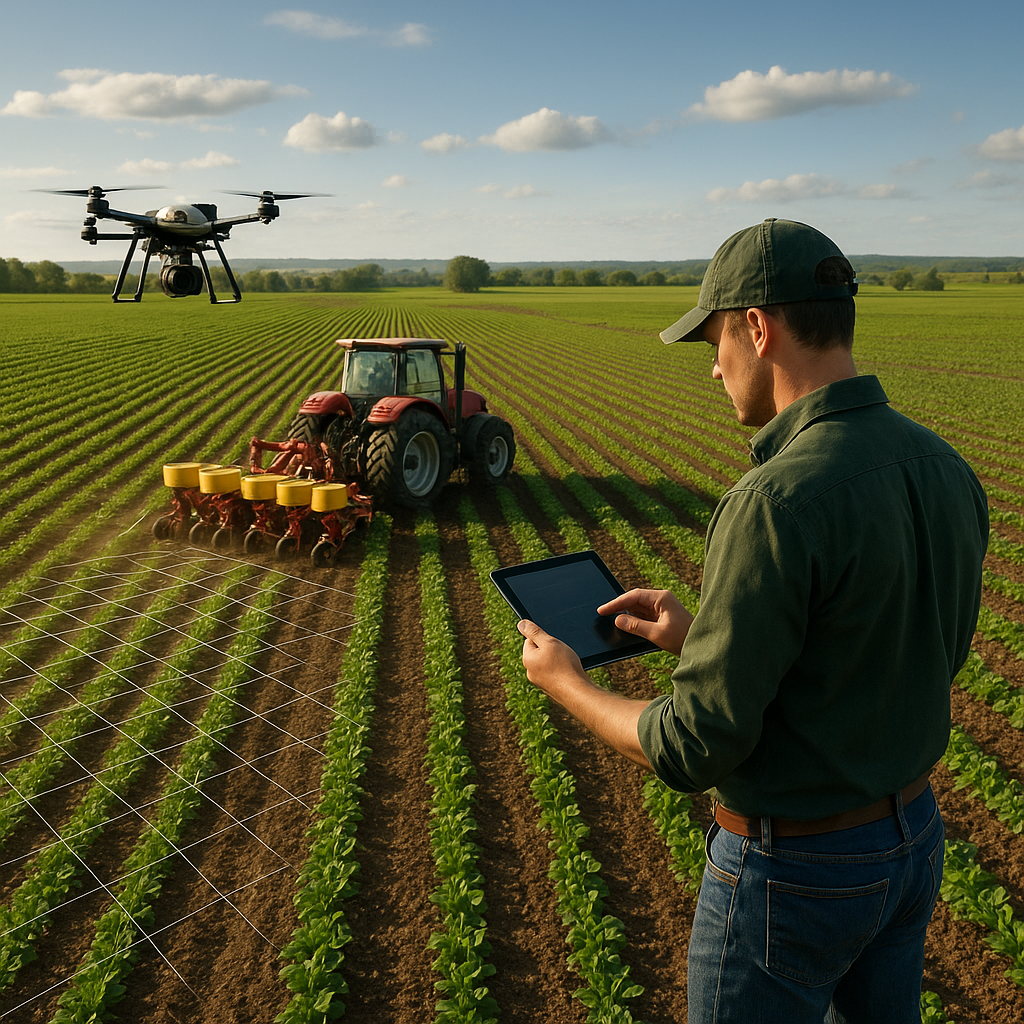
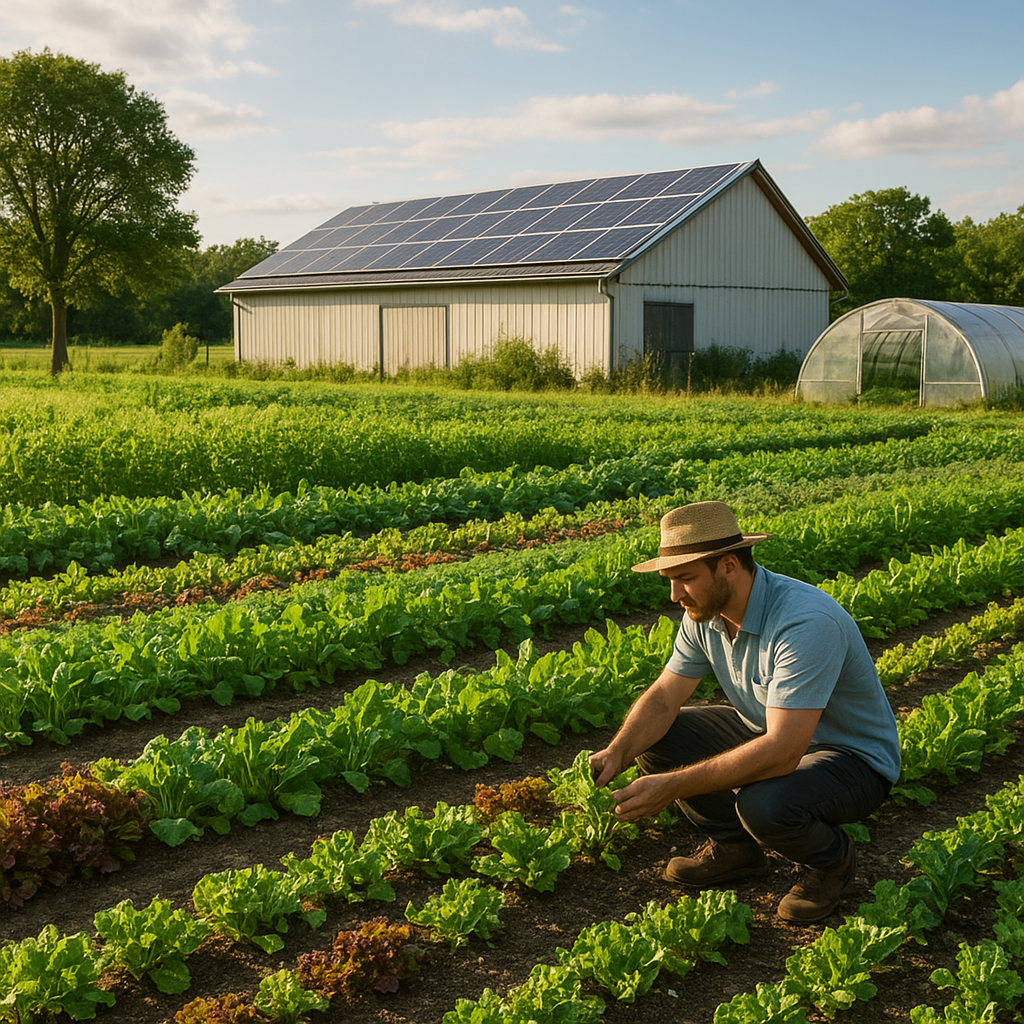
On open-field operations, smart irrigation networks triggered by weather forecasts and soil moisture sensors ensure no drop goes to waste. Drone fleets equipped with multispectral cameras detect crop stress and nutrient deficiencies, allowing targeted interventions rather than blanket pesticide applications. These precision agriculture tools boost yields, reduce chemical runoff, and conserve precious water supplies. The outcome is a resilient system that remains productive under variable climatic conditions.
Environmental and Socioeconomic Impacts
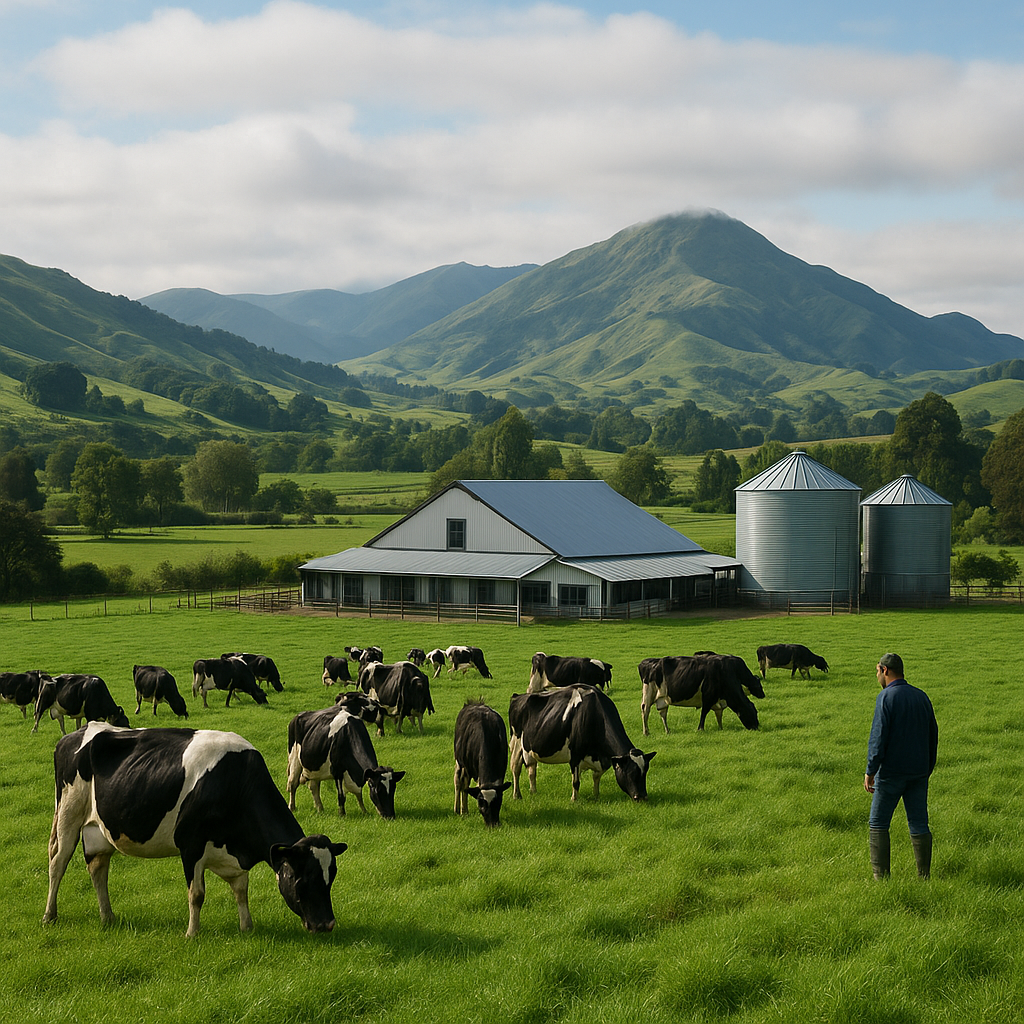
By eliminating the methane-producing ruminants and reducing manure accumulation, animal-free farms contribute significantly to climate mitigation efforts. The global livestock sector accounts for an estimated 14.5% of anthropogenic greenhouse gas emissions; replacing a portion of that with plant-based or cell-cultured alternatives could shave billions of tons of carbon dioxide equivalents from the atmosphere. Moreover, reduced deforestation for pasture frees ecosystems for habitat restoration and carbon sequestration.
Another key advantage is the preservation of biodiversity. Traditional animal farming often leads to monoculture feed crops and land conversion that displace native flora and fauna. In contrast, diversified plant systems and agroforestry practices can coexist with wild species, creating corridors for pollinators and wildlife. Integrating hedgerows, cover crops, and native tree lines bolsters ecosystem services, such as pest control and water filtration.
- Reduced soil erosion through continuous ground cover
- Enhanced carbon storage in biomass and soil
- Lower risk of zoonotic disease emergence
- Improved water quality in adjacent waterways
Socioeconomic benefits extend to farm labor as well. Automated harvesting robots and mechanized transplant systems alleviate repetitive, strenuous tasks traditionally performed by workers. While this raises questions about employment, many operations reinvest savings into workforce training for high-skilled roles in maintenance, data analysis, and quality control. Communities around these farms often see improved infrastructure, access to fresh produce, and educational opportunities focused on sustainable livelihoods.
Building Soil Health and Long-Term Resilience
Soil is the foundation of terrestrial food production, and its degradation poses a critical threat. Animal-free farms champion regenerative agriculture techniques that emphasize soil microbiome diversity, organic matter accumulation, and nutrient cycling. Practices such as no-till planting, cover cropping, and compost application restore soil health, enhancing water retention, root development, and carbon capture.
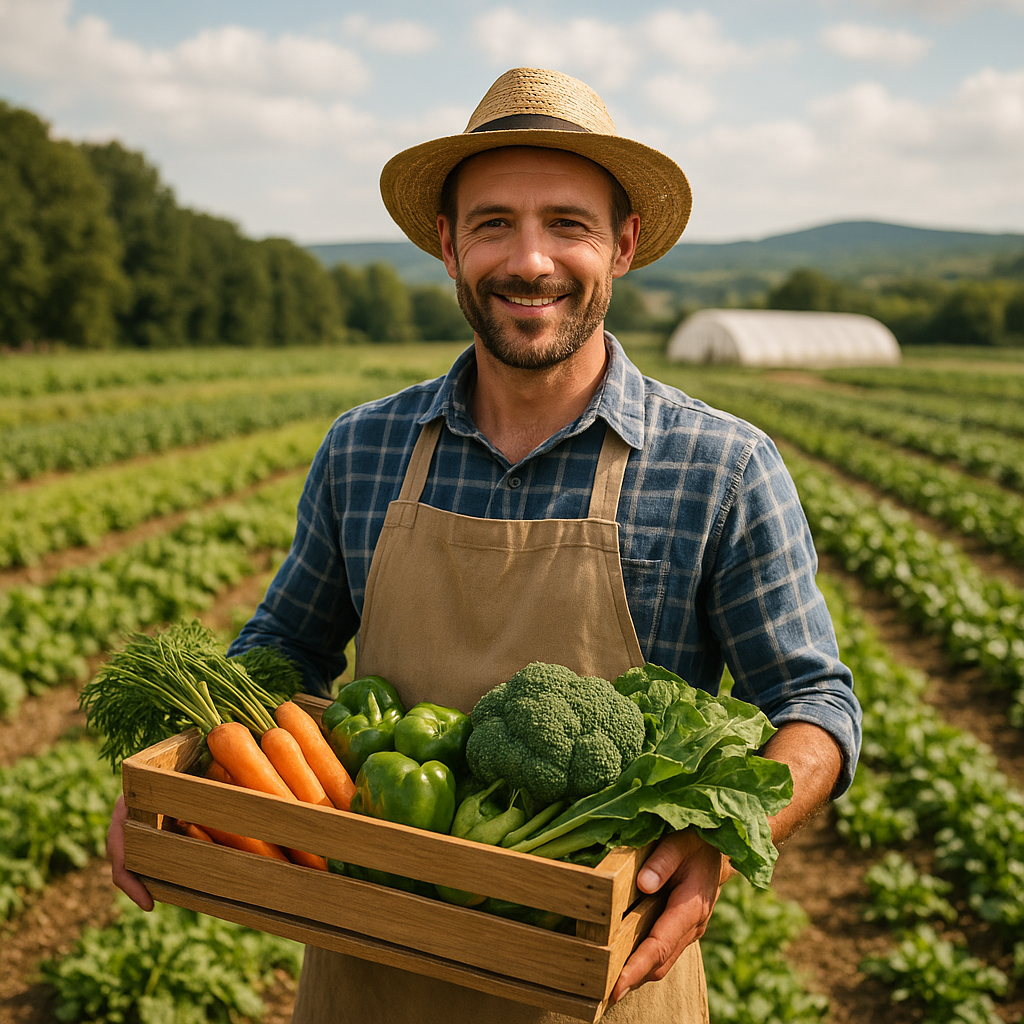
By rotating protein-rich legumes with deep-rooted brassicas, growers supply natural nitrogen fixation and break pest cycles without synthetic fertilizers or pesticides. Mycorrhizal inoculants further improve nutrient uptake and plant resilience. Over successive seasons, these fields become living systems rather than resource sinks, capable of withstanding droughts and floods—a hallmark of true sustainability.
The Role of Compassion and Consumer Engagement
At its core, the movement toward animal-free agriculture is fueled by compassion for sentient beings. As awareness grows about factory farming’s ethical and environmental costs, consumers are demanding alternatives that align with their values. Labeling initiatives and certification programs verify claims of cruelty-free production, helping buyers make informed choices on supermarket shelves or restaurant menus.
Educational campaigns, social media outreach, and culinary collaborations spotlight the versatility and appeal of plant-based and cell-cultured foods. Celebrity chefs craft tasting menus featuring meat analogs and dairy substitutes, demonstrating that ethical eating need not sacrifice flavor or indulgence. Grassroots efforts—such as meatless meal challenges and farm-to-school partnerships—nurture a new generation’s appreciation for foods born of sustainable ideals.
Overcoming Challenges and Scaling Up
Despite rapid advancement, animal-free farming faces hurdles. Regulatory frameworks lag behind innovations, creating uncertainty for startups seeking approval for novel ingredients. Infrastructure gaps—particularly in developing regions—limit access to reliable electricity, clean water, and transport networks necessary for high-tech operations. Economic disparities can hinder smallholders from adopting cost-intensive equipment.
Addressing these barriers demands cross-sector collaboration. Governments must craft supportive policies, from subsidies for regenerative practices to streamlined approval processes for cell-cultured proteins. Financial institutions can de-risk investments in emerging agri-tech, while NGOs facilitate knowledge transfer to marginalized farming communities. Public–private partnerships accelerate research, piloting cooperative models that blend traditional wisdom with technological prowess.
Envisioning the Future of Global Food Systems
As the world grapples with population growth, water scarcity, and shifting dietary preferences, animal-free farms stand poised to play a central role. By harnessing advanced methods, embracing ecological principles, and upholding ethical values, these operations exemplify how agricultural systems can be both productive and planet-friendly. The transition will not be uniform; diverse contexts call for tailored approaches, blending animal-free innovations with best practices from conventional and regenerative frameworks.
Ultimately, the promise of a food system grounded in resilience and adaptability hinges on our collective willingness to rethink entrenched paradigms. Through continuous experimentation, stakeholder engagement, and unwavering commitment to sustainability, the vision of a thriving, animal-free agricultural landscape can become a global reality.