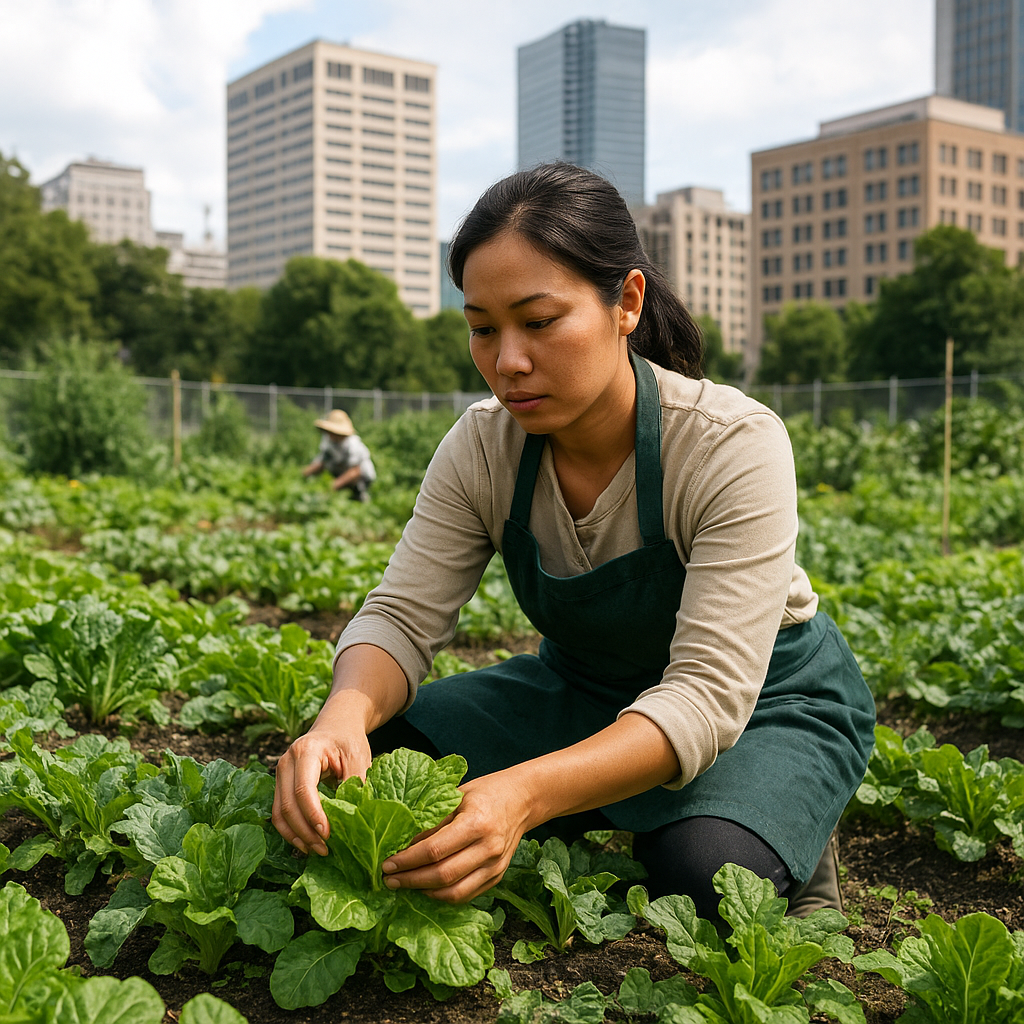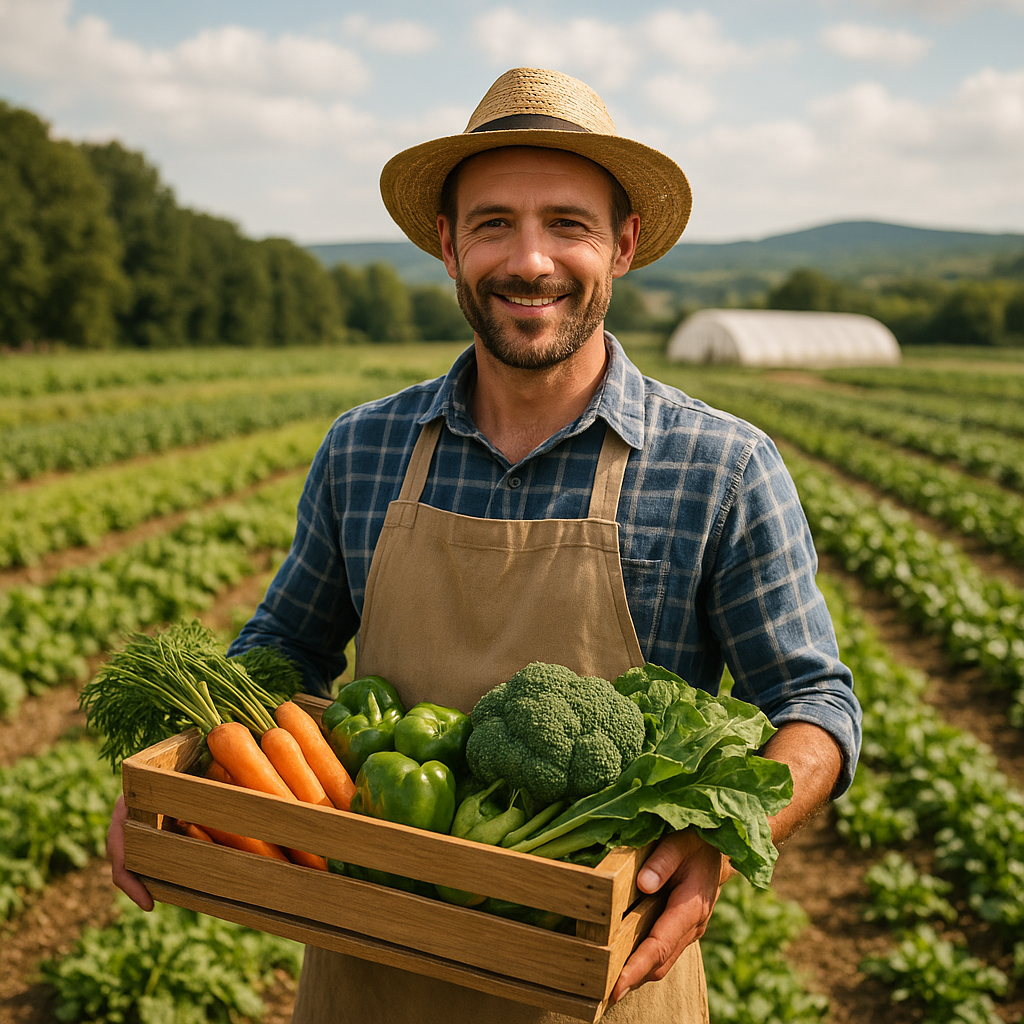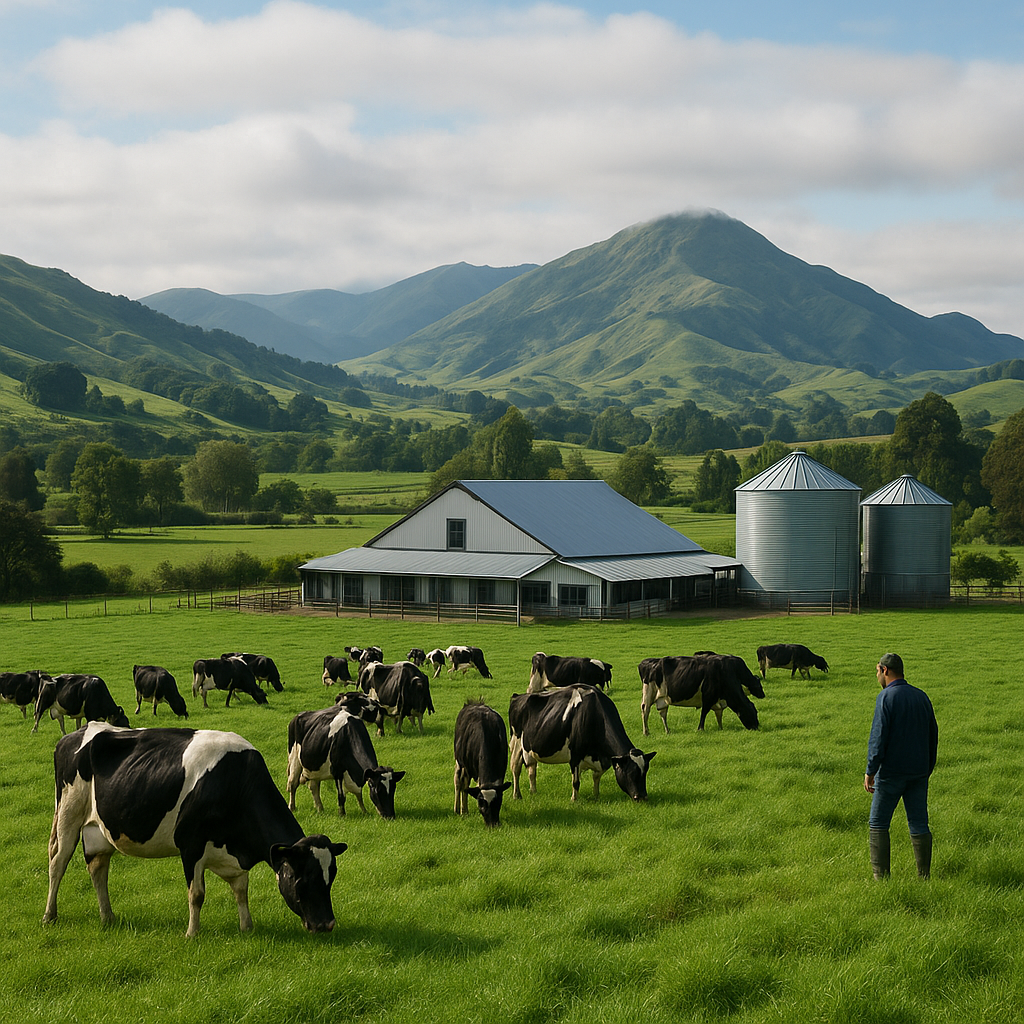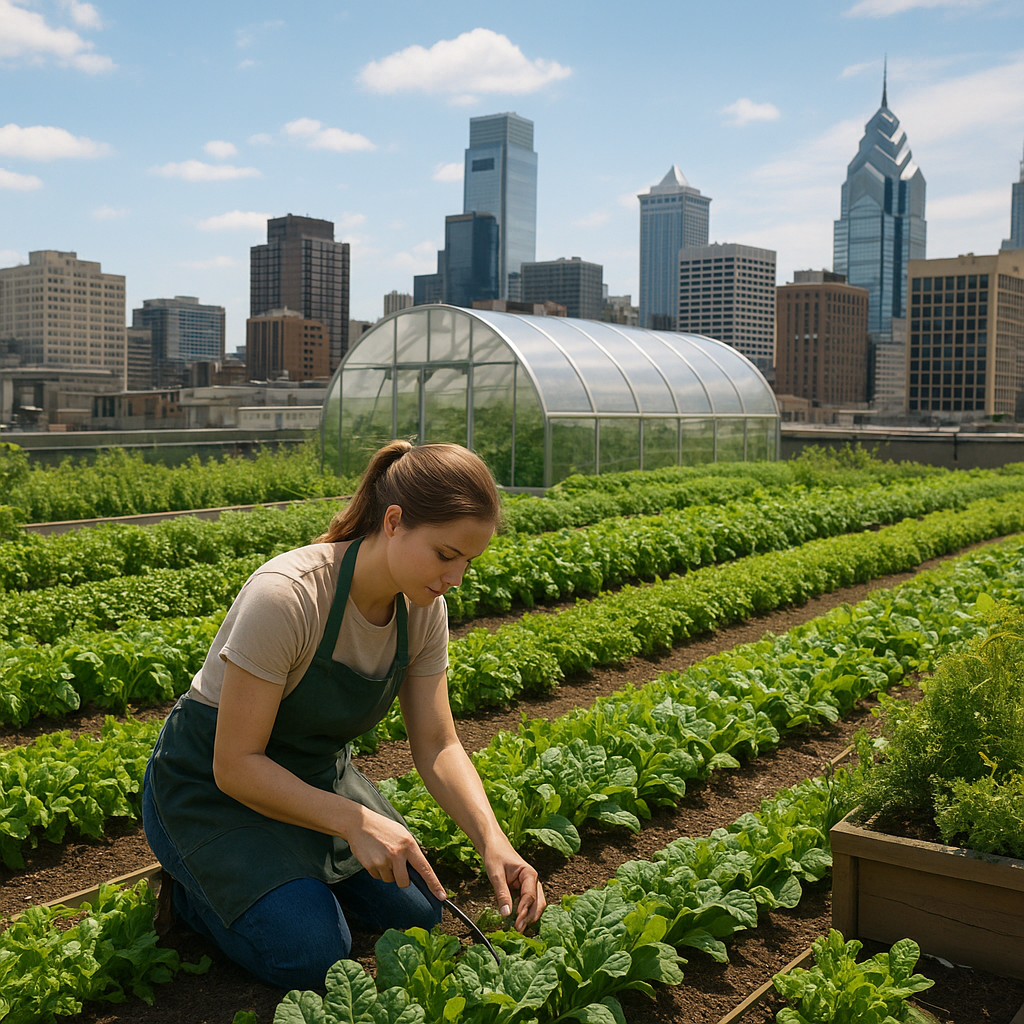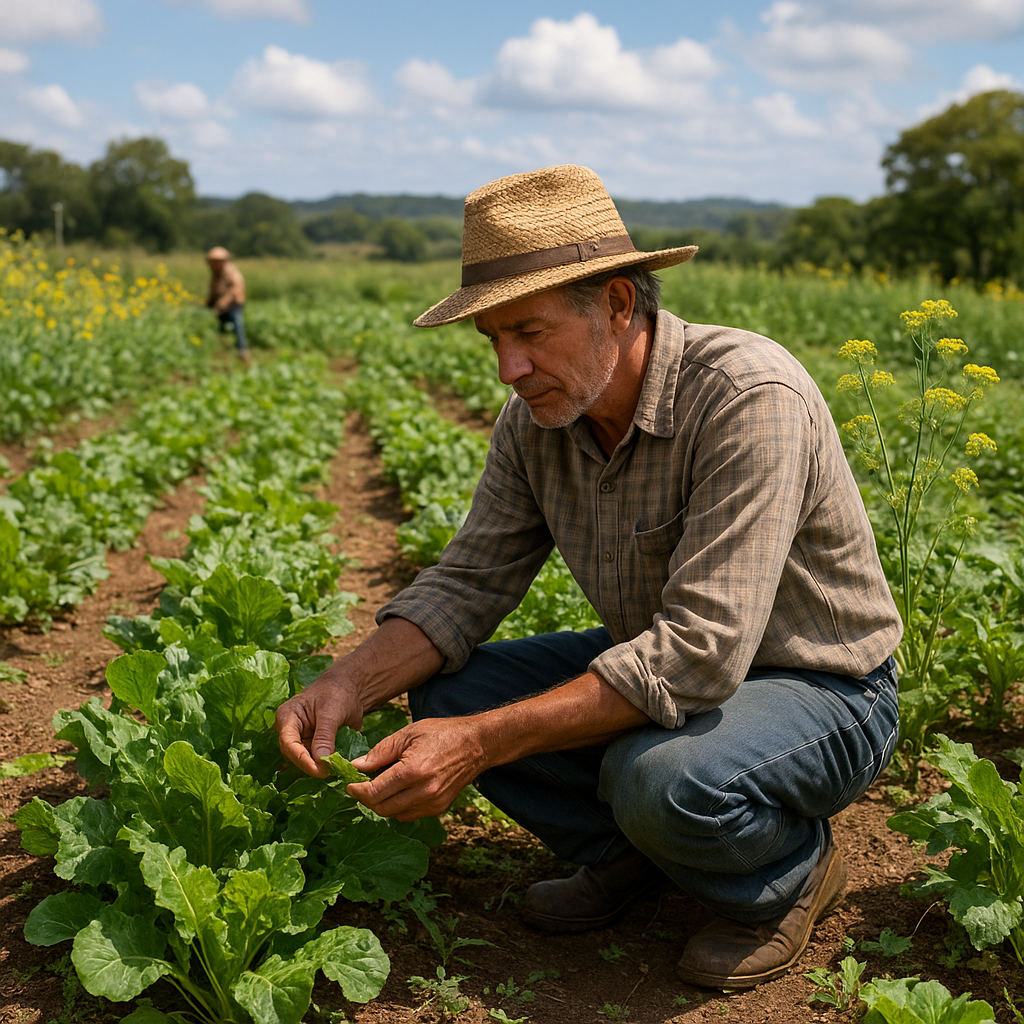
A silent transformation is unfolding across landscapes once dominated by monocultures and intensive chemical inputs. Farmers, researchers and activists are rallying behind a holistic approach that values the interconnectedness of soil health, plant diversity and social equity. This resurgence of agroecology is not a fleeting trend but a deeply rooted movement reshaping how food is grown, distributed and consumed at a global scale.
Principles of Agroecology
At its core, agroecology is an integrative science, practice and movement that draws on ecological principles to optimize interactions between plants, animals and people. Rather than relying on external synthetic inputs, agroecological systems harness biodiversity to build resilience and maintain sustainability. Key principles include:
- Diversification of crops and livestock to reduce vulnerability to pests and market shocks.
- Enhancement of soil fertility through organic matter recycling, cover cropping and minimal tillage.
- Integration of livestock and agroforestry systems to close nutrient cycles.
- Promotion of local knowledge and community participation for context-specific innovation.
- Emphasis on social fairness, ensuring smallholder farmers gain equitable access to resources and markets.
By mimicking natural ecosystems, these systems reduce dependency on agrochemicals, lower greenhouse gas emissions and foster on-farm conservation. The overarching goal is to generate productive landscapes that deliver environmental, economic and cultural benefits.
Agroecological Success Stories Across Continents
From Latin America’s hillsides to Africa’s drylands, compelling cases demonstrate agroecology’s potential at scale.
Latin America: The Andean Indigenous Revival
In the highlands of Peru and Bolivia, indigenous communities have revived ancestral techniques such as multi-tiered potato terraces, quinoa cultivation in rotation with legumes and agroforestry combining fruit trees with tuber plots. These methods:
- Enhance water retention in steep landscapes.
- Maintain high genetic diversity of staple crops.
- Support indigenous knowledge systems and cultural heritage.
Local cooperatives have also established direct marketing channels to urban centers, ensuring farmers earn fair premiums for organically produced grains and vegetables.
Africa: Agroecology in Dryland Resilience
In the Sahel, organizations promote Farmer Managed Natural Regeneration (FMNR), enabling trees and shrubs to regrow from existing stumps and roots. This low-cost, low-labor practice has:
- Increased tree cover significantly, improving soil moisture.
- Boosted yields of millet and sorghum by up to 50%.
- Enhanced climate resilience, mitigating drought effects.
Communities apply zai pits—small water-harvesting holes enriched with manure—to concentrate resources around seedlings. These simple innovations illustrate how policy support and grassroots engagement can transform marginal lands.
Asia: Rice-Fish Integration
In Southeast Asia, farmers are reintroducing traditional rice-fish systems, where fish are raised in flooded paddy fields. Benefits include:
- Natural pest control as fish consume pests and weeds.
- Supplementary protein and income from fish harvests.
- Enhanced nutrient cycling through fish excrement boosting rice yields.
These integrated systems reduce chemical pesticide use by up to 70%, illustrating how agroecological innovation can be both ancient and forward-looking.
Challenges and Opportunities for Scaling Up
Despite compelling evidence, agroecology faces obstacles that require coordinated action across multiple fronts.
Institutional Barriers
Many agricultural policies remain biased toward industrial models, offering subsidies for synthetic fertilizers and promoting uniform seed varieties. To address this, governments and international agencies must:
- Realign subsidy frameworks to support diversified cropping and organic inputs.
- Invest in extension services that value farmer-to-farmer knowledge exchange.
- Revise research agendas to prioritize long-term ecological trials over short-term yield tests.
Market and Consumer Dynamics
Scaling agroecology demands market structures that reward ecological outcomes. This involves:
- Labeling schemes highlighting sustainably produced goods.
- Building regional agroecological food networks to reduce carbon footprints.
- Empowering cooperative models that return greater value to primary producers.
Education and Cultural Change
Shifting mindsets is critical. Agricultural universities and vocational schools can integrate agroecological curricula, ensuring that future generations of agronomists and farmers understand ecosystem-based approaches. Public awareness campaigns can emphasize the link between healthy soils, nutritious food and community well-being.
Technological Synergies
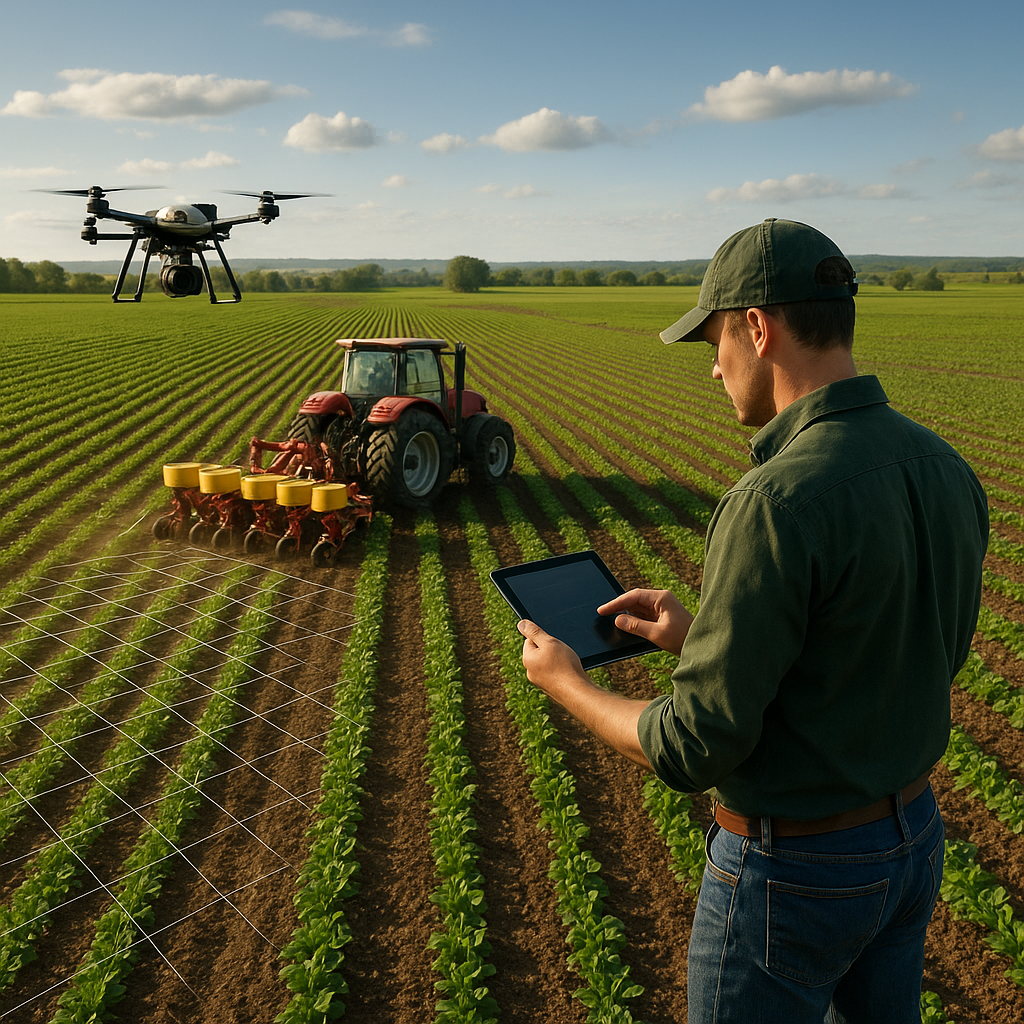
While agroecology often emphasizes low-tech solutions, digital tools can enhance their effectiveness. Remote sensing, mobile advisory apps and participatory mapping empower farmers to monitor resource flows, predict pest outbreaks and coordinate seed exchanges. Blending technology with age-old practices creates a dynamic platform for continuous improvement.
Looking Ahead
Agroecology’s comeback signals a profound shift toward more equitable, resilient and resource-efficient food systems. As global challenges such as biodiversity loss, climate change and social inequity intensify, the agroecological paradigm offers a scalable framework to nourish both people and the planet. Stakeholders—from policymakers to local farmers—hold the keys to unlocking its full potential, forging a future where agriculture and nature thrive in harmony.