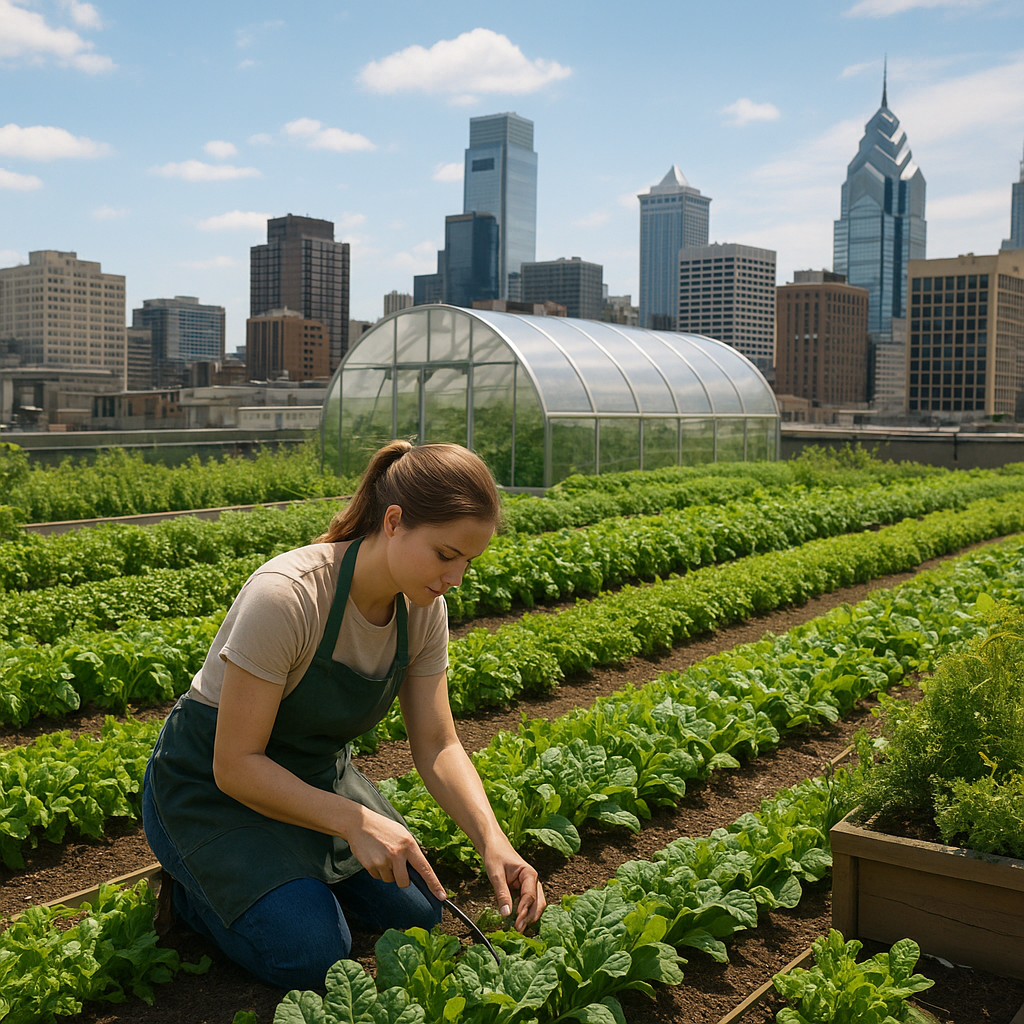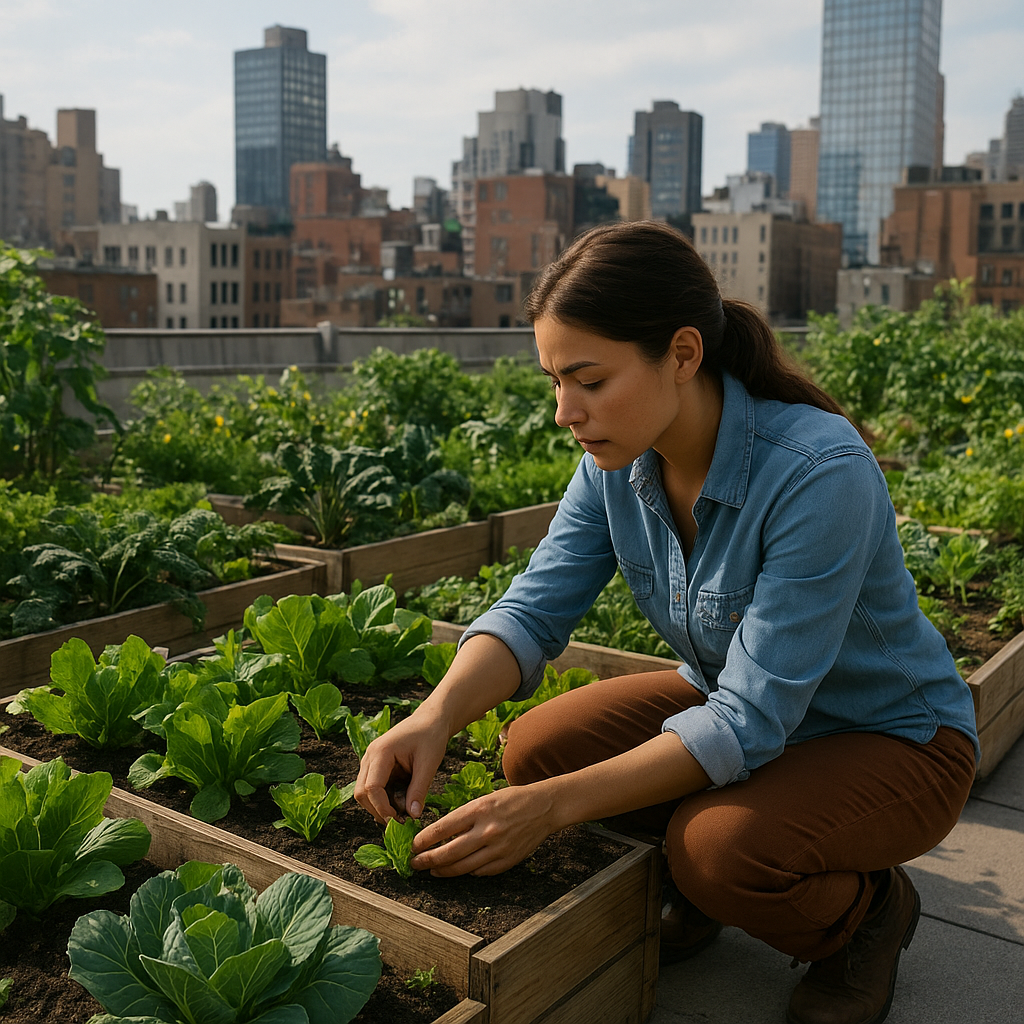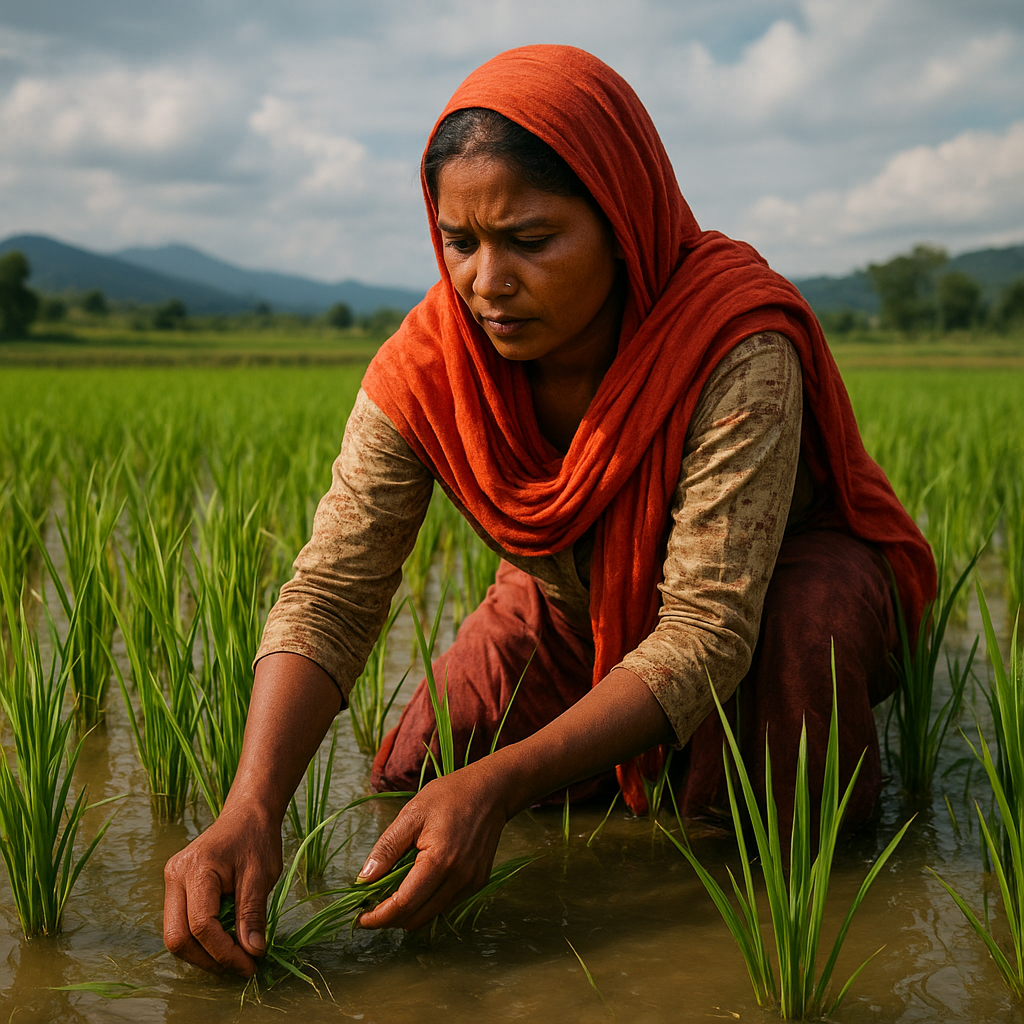
Across continents and cultures, women have shaped agricultural landscapes for centuries, driving both local food systems and global supply chains. Their contributions often remain underrecognized, yet they play an essential role in ensuring food security, fostering sustainability, and building community resilience. As agricultural practices evolve, so do the opportunities and challenges faced by women on farms big and small. This article explores the varied roles of women in agriculture around the world, highlighting historical shifts, current obstacles, and future possibilities.
Historical Perspective and Evolving Roles
Traditional Farming Practices
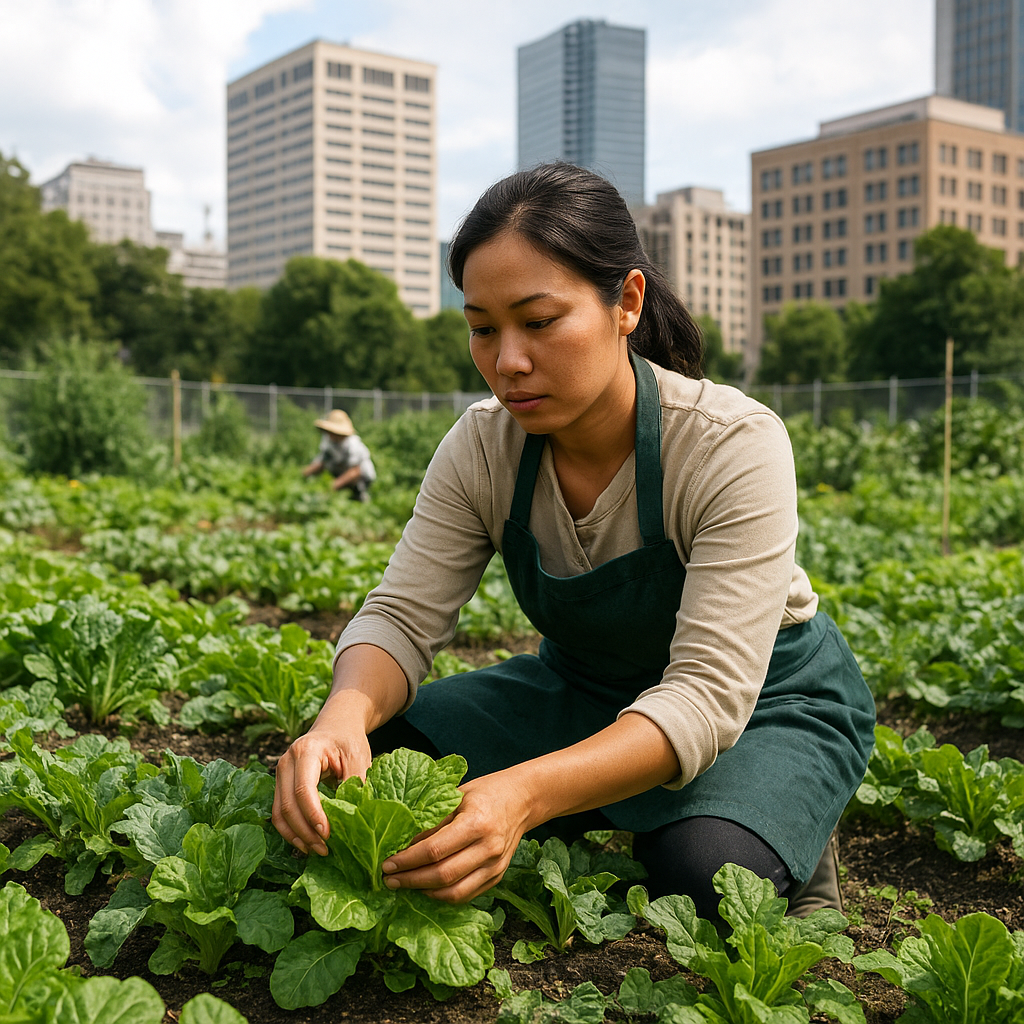
For millennia, women have been integral to subsistence and smallholder farms, performing tasks such as planting, weeding, harvesting, and post-harvest processing. In many rural societies, they passed down ancestral knowledge of seeds, herbal remedies, and land stewardship. Despite the significance of their work, cultural norms often confined them to unpaid labor, limiting access to land ownership and formal market participation.
Transition Over Time
The 20th century brought mechanization and commercialization, altering the structure of world farms. As large-scale operations expanded, women frequently shifted into wage labor or off-farm activities. Yet even in industrialized settings, female workers continued to cultivate specialty crops, manage livestock, and oversee packhouses. During wartime and economic crises, women stepped into leadership roles, maintaining agricultural output when male labor was scarce. These periods underscored their leadership and capacity to adapt to new technologies and organizational models.
Contemporary Challenges and Contributions
Gender Inequality and Access to Resources
Today, women comprise nearly half of the global agricultural workforce but face persistent barriers:
- Limited access to land titles and equity in inheritance laws
- Challenges in securing agricultural credit and insurance
- Insufficient training on modern technology and best practices
- Underrepresentation in farmer organizations and decision-making bodies
These obstacles hamper productivity and restrict opportunities for women to scale their enterprises. Addressing legal reforms and providing targeted financial services can enhance their economic standing and improve overall farm productivity.
Economic Impact and Productivity
Despite systemic hurdles, women contribute substantially to household incomes and national GDPs. Their roles include:
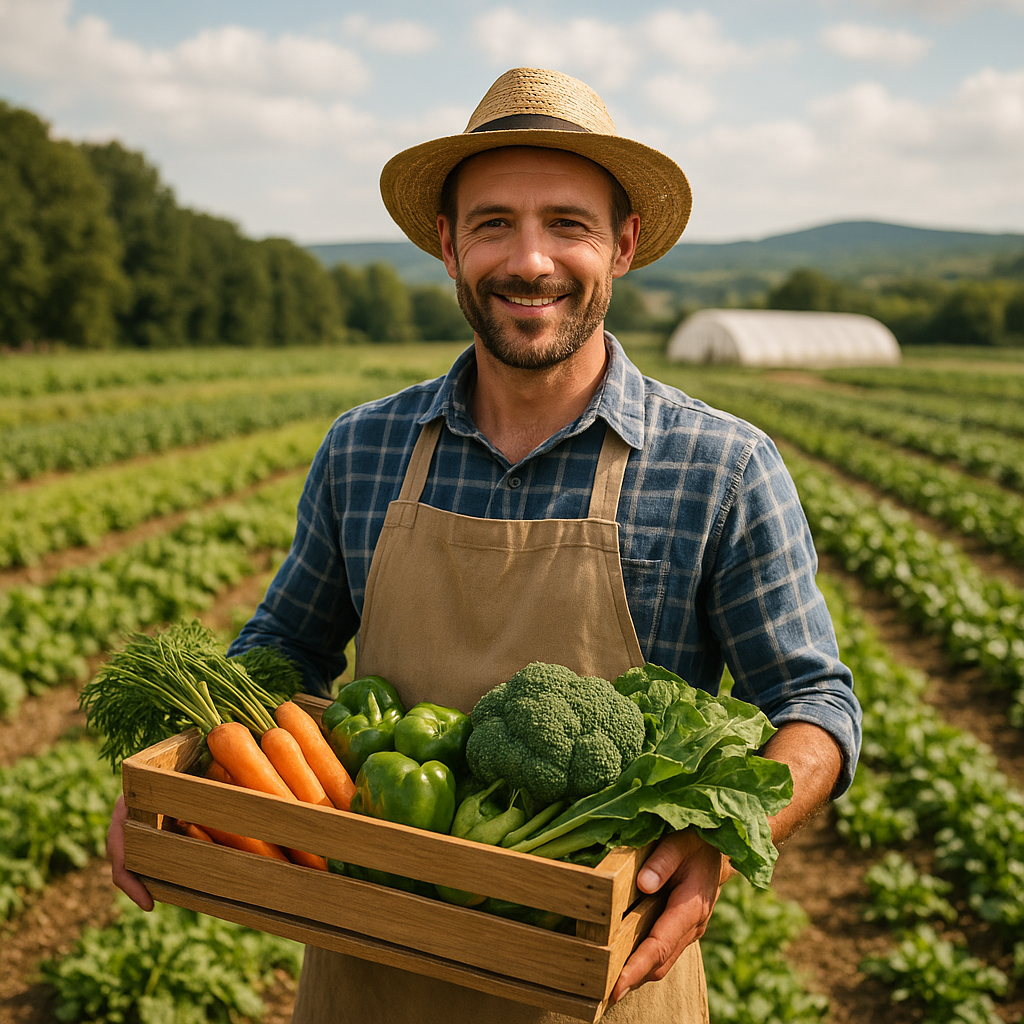
- Managing vegetable gardens and seed banks that support food diversification
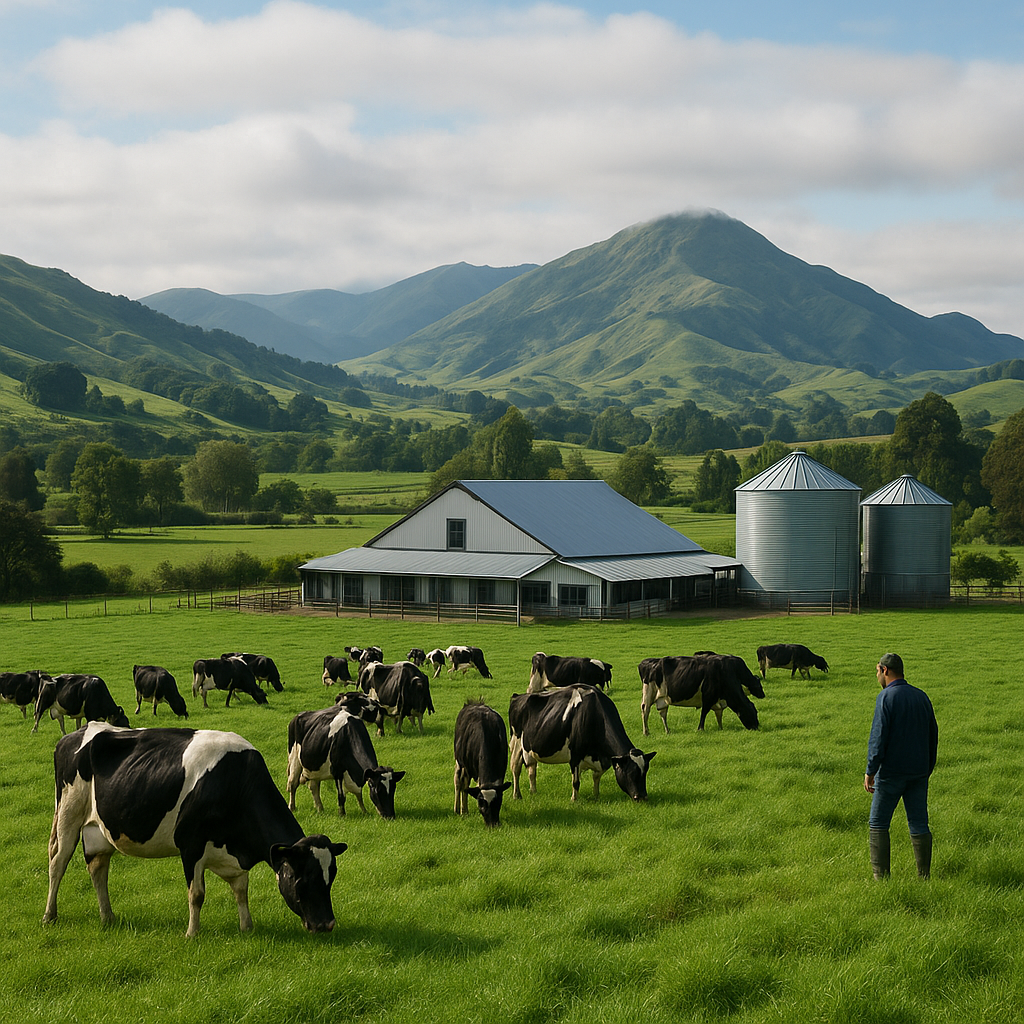
- Leading small-scale processing of dairy, grains, and horticultural products
- Participating in farmer cooperatives that negotiate fair prices
- Driving agroecological initiatives that mitigate climate risks
Studies indicate that when women gain equal access to resources, yields on their farms increase by up to 20–30%. This boost can translate into significant gains in local food security and poverty reduction. Moreover, women often reinvest earnings in health, education, and community projects, fostering broader social development.
Innovations and Future Prospects
Technology and Empowerment
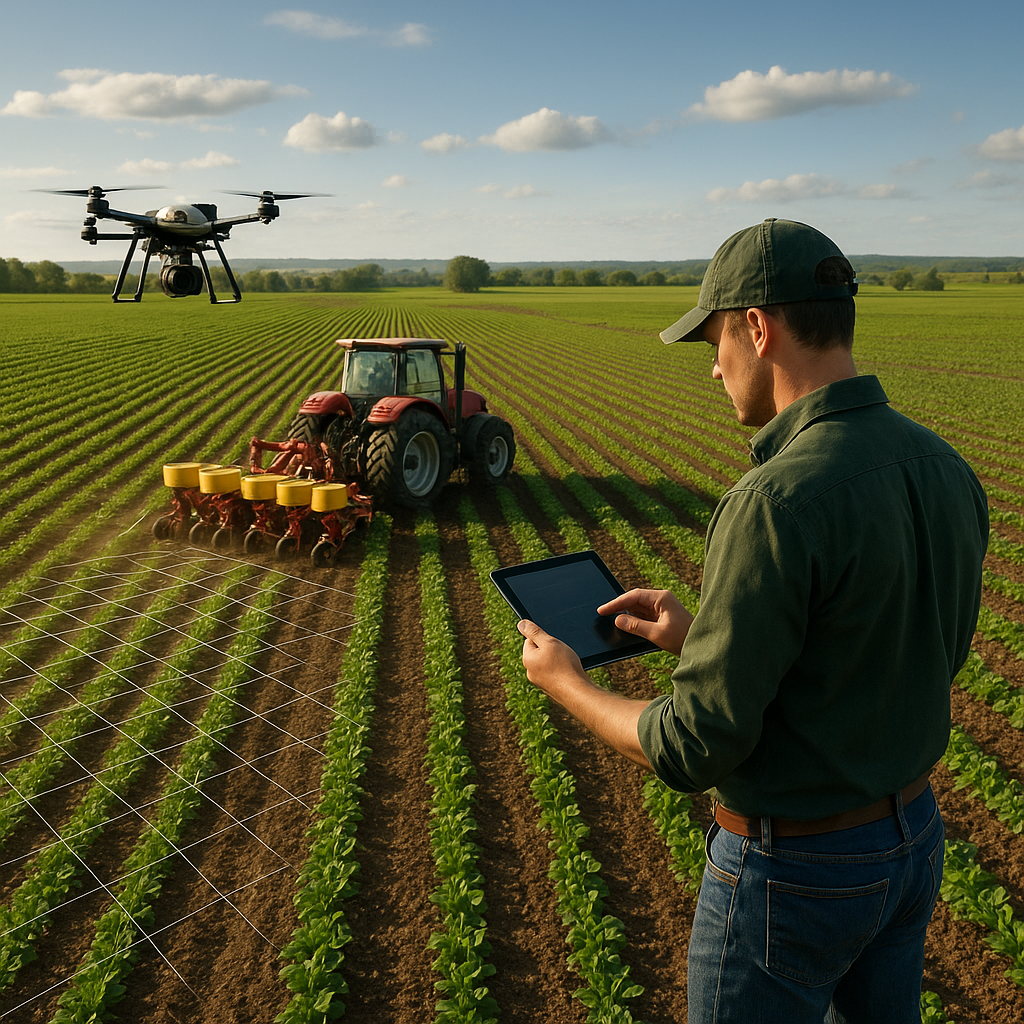
Digital tools and mobile platforms are opening new avenues for female farmers. From weather advisories and market price updates to online training modules, technology enhances skills and market linkages. Examples include:
- Mobile applications that track crop cycles and recommend pest control measures
- e-Commerce platforms connecting rural producers with urban consumers
- Drone and sensor technologies that optimize water usage and soil health
Such innovations foster empowerment and strengthen women’s capacity to adopt precision agriculture. They also encourage youth engagement in farming, helping to reverse rural-urban migration trends.
Policy Recommendations and Global Cooperation
To amplify women’s contributions, policymakers and development agencies must collaborate on multi-faceted strategies:
- Land reform: Simplify procedures for land registration and inheritance rights
- Financial inclusion: Tailor microcredit and insurance products for female farmers
- Education and training: Expand extension services with gender-sensitive curricula
- Market access: Support women-run cooperatives and value chain integration
- Research: Prioritize studies on gender-responsive technologies and agroecological methods
Global frameworks, such as the Sustainable Development Goals, emphasize gender equality and sustainability in agriculture. By integrating women’s voices in policy dialogues at local, national, and international levels, governments can cultivate a more inclusive and productive sector.
Key Areas for Future Investment:
- Strengthening rural infrastructure to reduce post-harvest losses
- Promoting innovation in climate-resilient crop varieties
- Encouraging public-private partnerships for technology diffusion
- Enhancing data collection on women’s roles and contributions
- Supporting social protection schemes tailored to female agricultural workers
As the agricultural landscape continues to face pressures from population growth, changing diets, and environmental shifts, the active involvement of women will be crucial. Their expertise in resource management, community cohesion, and sustainable practices positions them at the forefront of efforts to build productive and equitable world farms. By investing in policies and programs that recognize and bolster their potential, societies can unlock transformative gains for global food systems and rural livelihoods.