A network of rooftops, vacant lots, and repurposed warehouses is transforming how people access fresh produce in densely populated areas. Across continents, urban farms are redefining agriculture, delivering nutritious food, job training, and environmental benefits where they are needed most. By integrating innovative growing methods, fostering community ownership, and aligning with supportive policy frameworks, these initiatives are making strides against food insecurity and promoting equitable food justice for millions.
Urban Farming and Community Empowerment
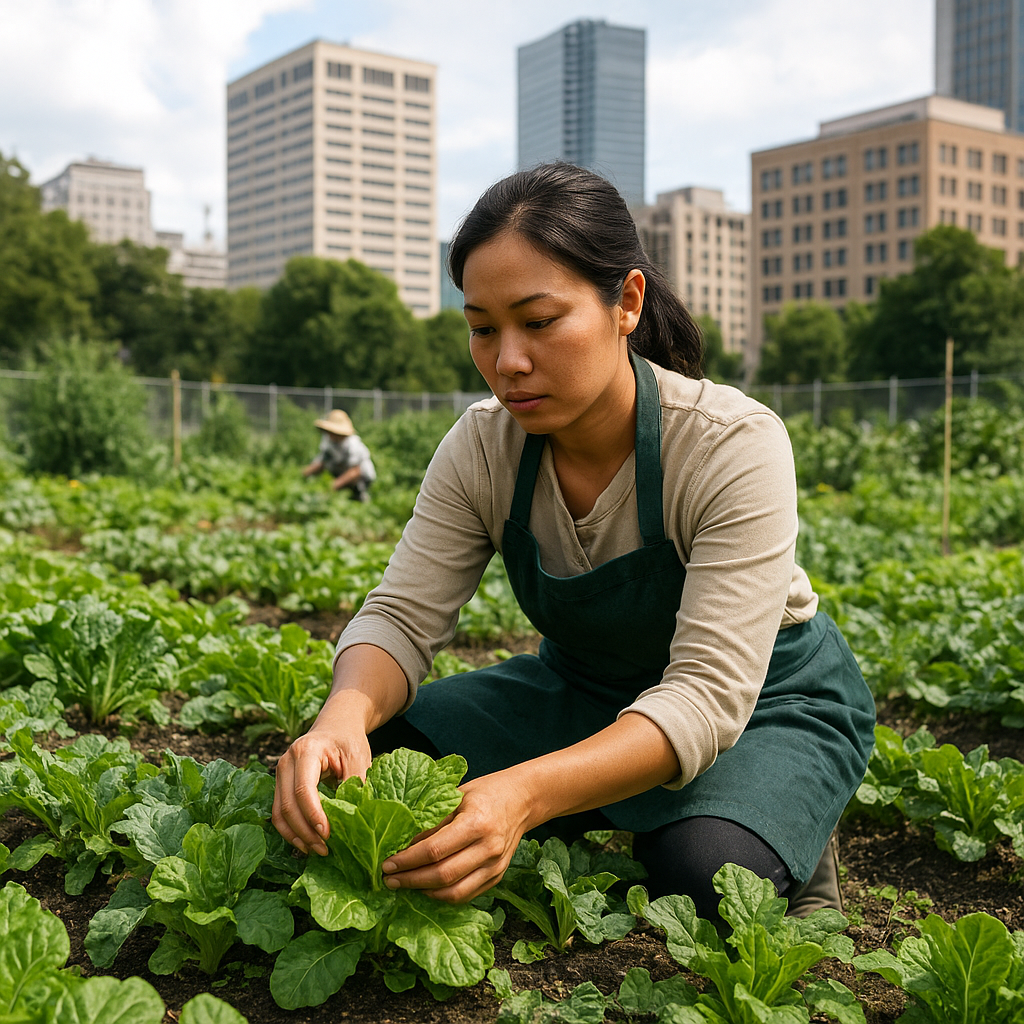
The rise of city-based growing operations has roots in grassroots activism, local resilience efforts, and the desire for sustainability. In sprawling metropolises like New York, Nairobi, and São Paulo, community-led gardens occupy underutilized spaces, providing residents with direct access to fresh vegetables and fruits. Beyond mere cultivation, these sites act as hubs for social interaction, skill-building, and cultural exchange.
- Vacant lot reclamation: Neighborhood groups transform abandoned plots into vibrant green spaces where volunteers of all ages learn to plant, harvest, and cook seasonal produce.
- Rooftop farms: Leveraging unused rooftop real estate, enterprises supply local restaurants and markets while reducing food miles and urban heat island effects.
- School gardens: Integrating hands-on agricultural lessons into curricula fosters early awareness of nutrition, environmental stewardship, and the value of teamwork.
In Detroit, a city once synonymous with industrial decay, urban farms have become powerful symbols of renewal. Organizations such as Keep Growing Detroit support hundreds of growers by providing microgrants, seeds, and technical guidance. Participants report not only improved household food budgets but also heightened civic pride and strengthened neighborhood bonds. Similar success stories have unfolded in Rio de Janeiro’s favelas, where communal beds planted on steep hillsides offer fresh produce to families in need and nurture a sense of shared purpose.
Innovative Techniques and Technology
Traditional row cropping often proves impractical in tight urban settings. Entrepreneurs and researchers have responded with innovation to maximize yields and resource efficiency. Advanced systems like vertical farming, hydroponics, and aquaponics are now integrated into cityscapes from Tokyo to Barcelona.
Vertical Farming
Multi-tiered towers and shelving units enable growers to stack dozens of planting layers under LED lighting, emulating sunlight while minimizing water and land usage. In Singapore, local startups have installed high-rise farms in shipping containers, producing up to 10 times the output of traditional plots per square meter. These operations boast near-zero pesticide use and precise climate control, ensuring consistent year-round harvests.
Hydroponics and Aquaponics
By circulating nutrient-rich water directly to plant roots, hydroponic setups eliminate the need for soil and slash water consumption by up to 90%. Aquaponic systems take this further by combining fish cultivation with plant growth: fish waste supplies nutrients for crops, and plants purify the water for the fish. Community centers in Accra, Ghana employ small-scale aquaponics to supply leafy greens to local markets while training unemployed youth in technical maintenance and business management.
Data-Driven Agriculture
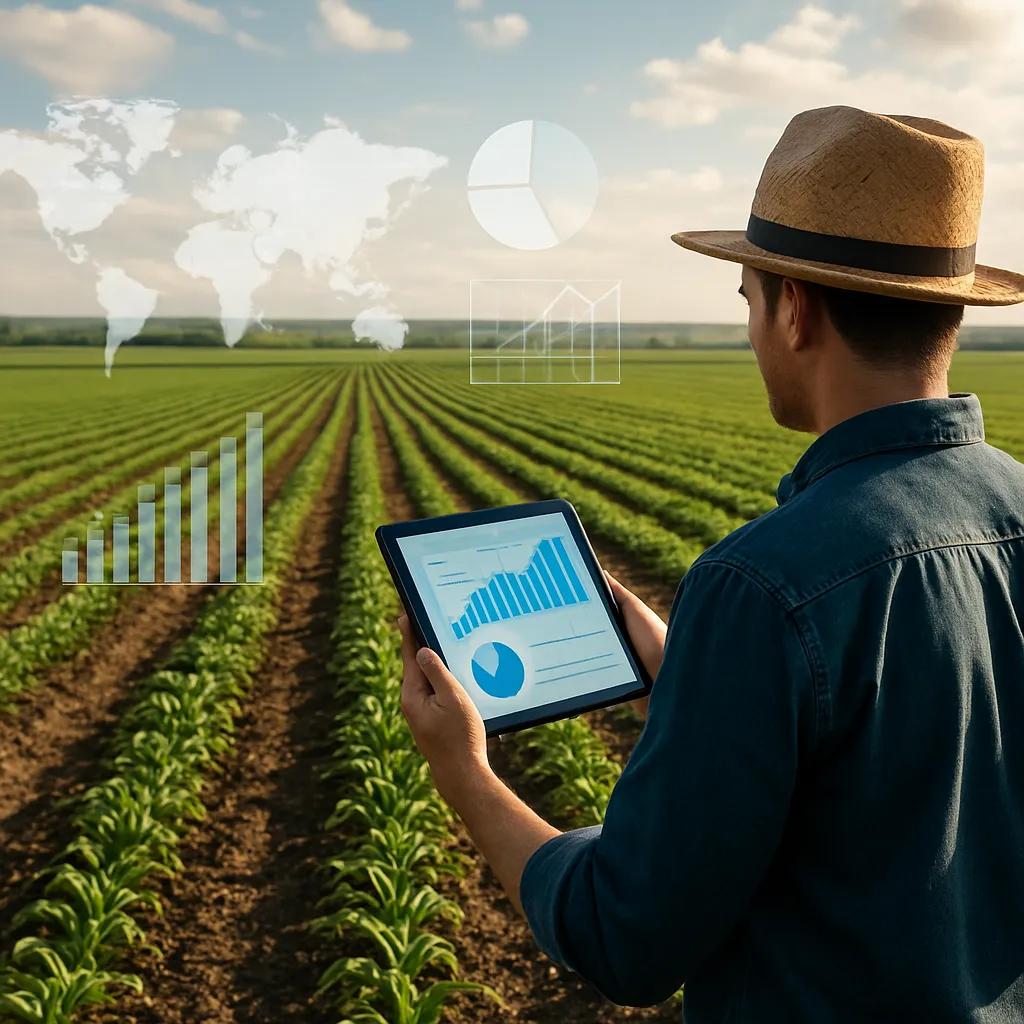
Internet of Things (IoT) sensors, smartphone apps, and drone surveys empower urban farmers with real-time data on moisture levels, nutrient balance, and pest pressures. In London, a project called Growing Underground uses subterranean tunnels beneath former WWII bomb shelters—equipped with climate sensors—to cultivate microgreens and herbs year-round. Analytics guide planting schedules, optimize resource allocation, and forecast yield, ensuring that limited space delivers maximum output.
Policy, Partnerships, and Global Impact
While grassroots energy drives many initiatives, supportive policy frameworks and cross-sector collaborations amplify their reach. Local governments, international agencies, and private investors are recognizing the potential of urban farming to address nutrition deficits, stimulate economic growth, and mitigate climate risks.
- Land-use zoning: Cities like Vancouver and Medellín have revised municipal codes to allow farms in residential, commercial, and mixed-use districts. By easing building restrictions and offering tax incentives, they encourage developers to integrate growing spaces into new construction.
- Grant funding: Organizations such as the United Nations Food and Agriculture Organization (FAO) and regional development banks provide seed capital for pilot projects in underserved communities, focusing on capacity building and knowledge transfer.
- Corporate partnerships: Retailers and foodservice providers are forging supply agreements with urban growers, ensuring stable markets for local produce while meeting consumer demand for transparency and freshness.
In Kigali, Rwanda, the city administration collaborates with NGOs to convert steep hillsides into terraced urban farms. Supported by a blend of public grants and private sponsorship, these terraces produce staples like sweet potatoes and beans, bolstering food reserves during droughts. Similarly, in Cairo’s informal settlements, rooftop gardens backed by microfinance institutions empower women to start small agribusinesses, selling herbs and salad greens to neighborhood vendors.
International networks also play a pivotal role. The Global Urban Food Systems Coalition, for example, connects practitioners from over 50 cities, facilitating best-practice exchanges on soil remediation, seed saving, and community outreach. These platforms foster innovation diffusion, helping initiatives in one region adapt successful models from another.
Challenges and Future Directions
Despite remarkable progress, urban farming faces obstacles: high upfront costs for technology-intensive systems, limited access to quality water, potential soil contamination in brownfield sites, and the need for ongoing technical training. Overcoming these barriers demands sustained investment, rigorous research, and inclusive governance.
Experts emphasize the importance of integrating urban agriculture into broader food system planning. By connecting city farms with rural producers, distribution networks, and policy-makers, stakeholders can create resilient supply chains that withstand shocks—whether economic, environmental, or health-related.
Looking ahead, emerging trends include:
- Biologically based pest management: Utilizing beneficial insects and microbial treatments to maintain crop health without chemicals.
- Open-source farming platforms: Democratizing access to blueprints and software for low-cost, replicable growing systems.
- Blockchain traceability: Ensuring transparency from seed to sale, building consumer trust and enabling fair pricing for growers.
- Educational alliances: Partnerships between universities, vocational schools, and local communities to train the next generation of urban agriculturists.
As cities evolve under the pressure of population growth and climate change, resilience will hinge on diversified, localized food production. Urban farms—rooted in collaboration, innovation, and social inclusion—stand poised to play a central role in securing nutrition and prosperity for urban dwellers around the world.