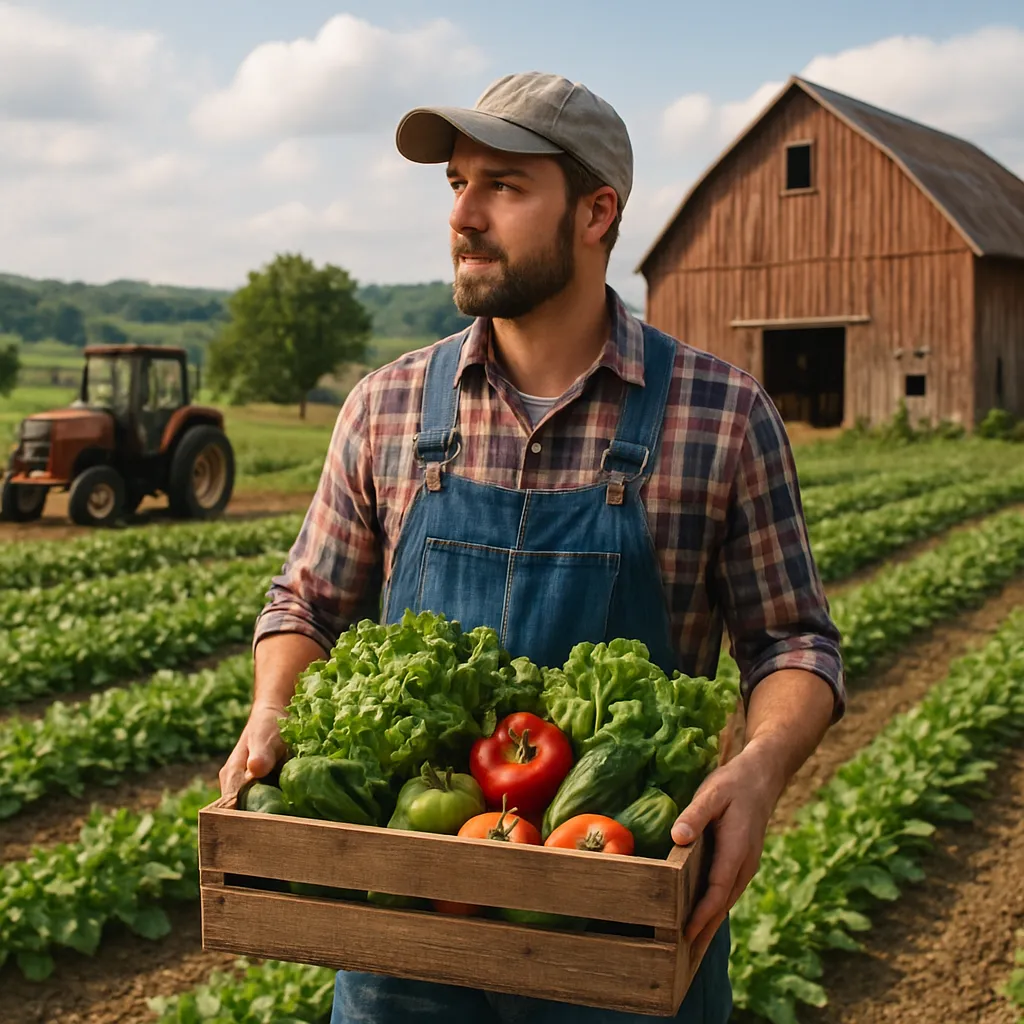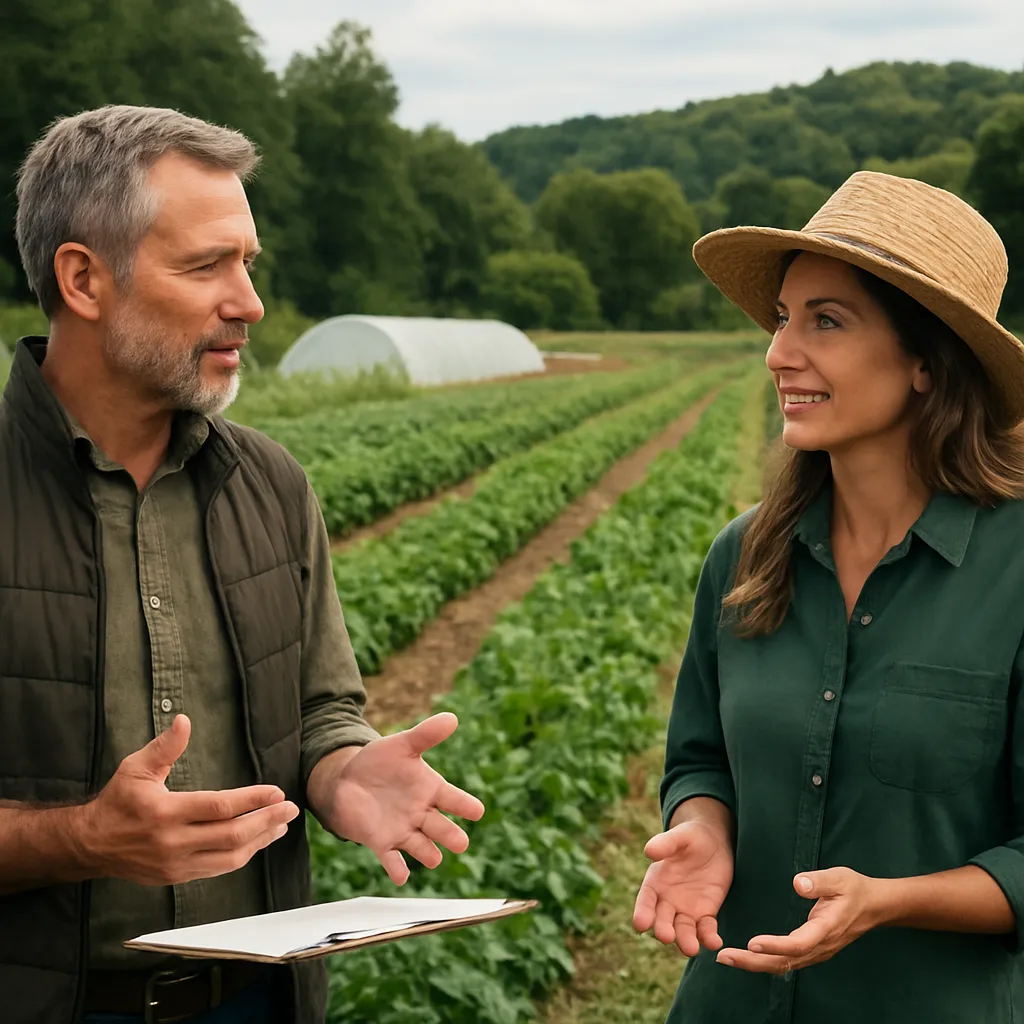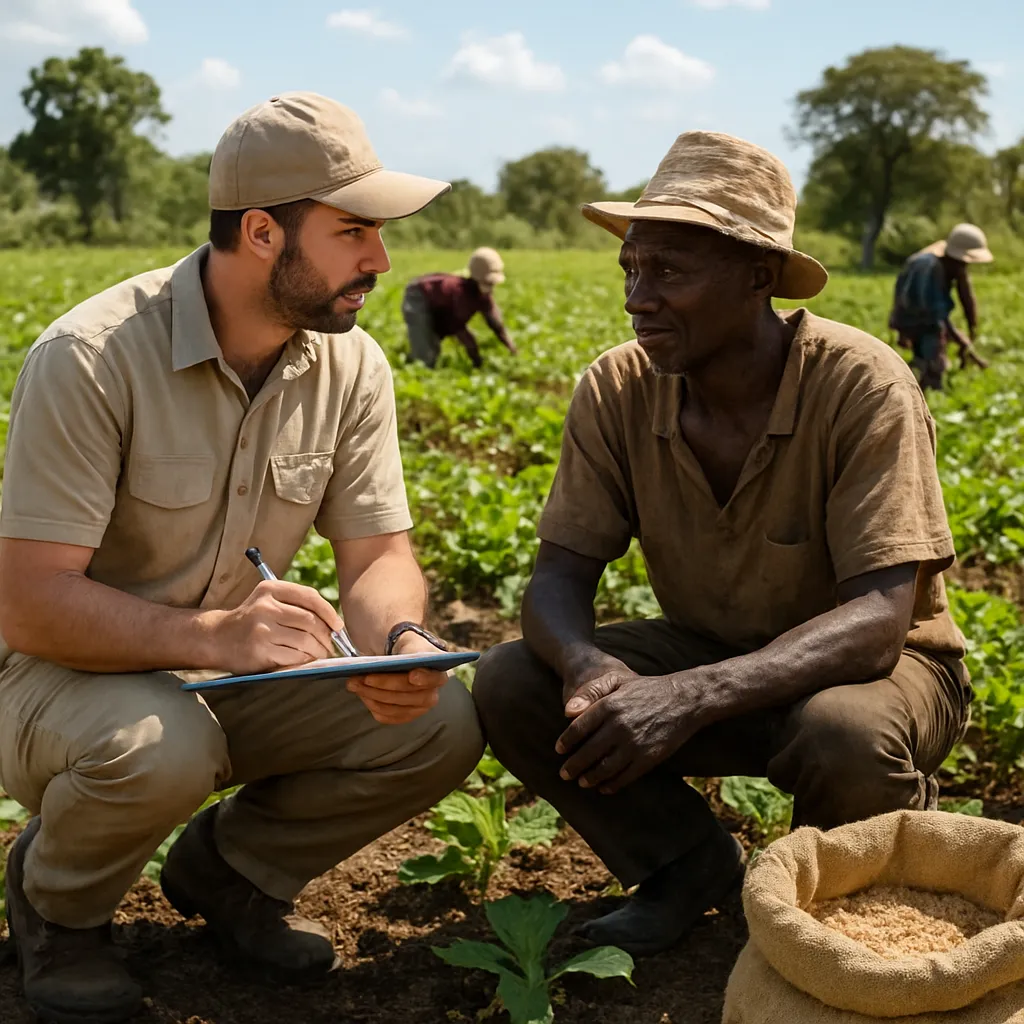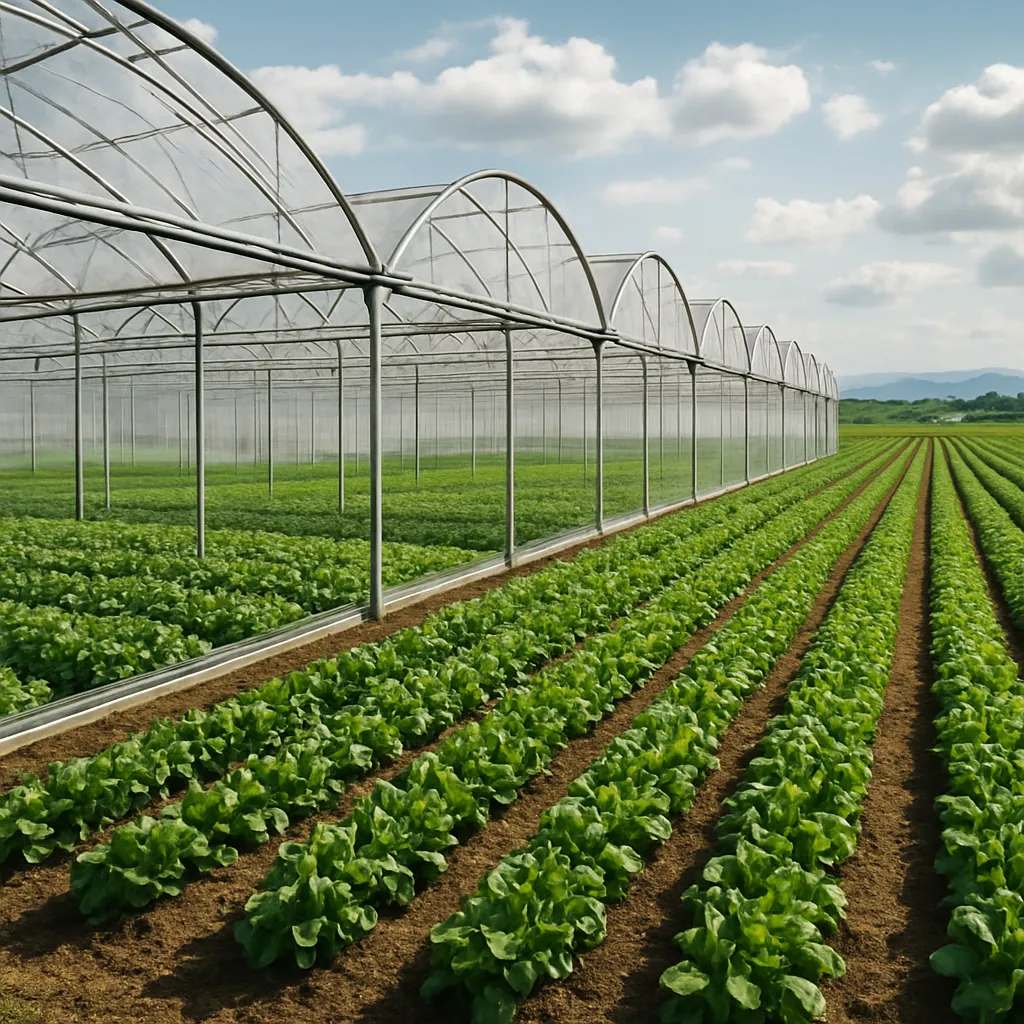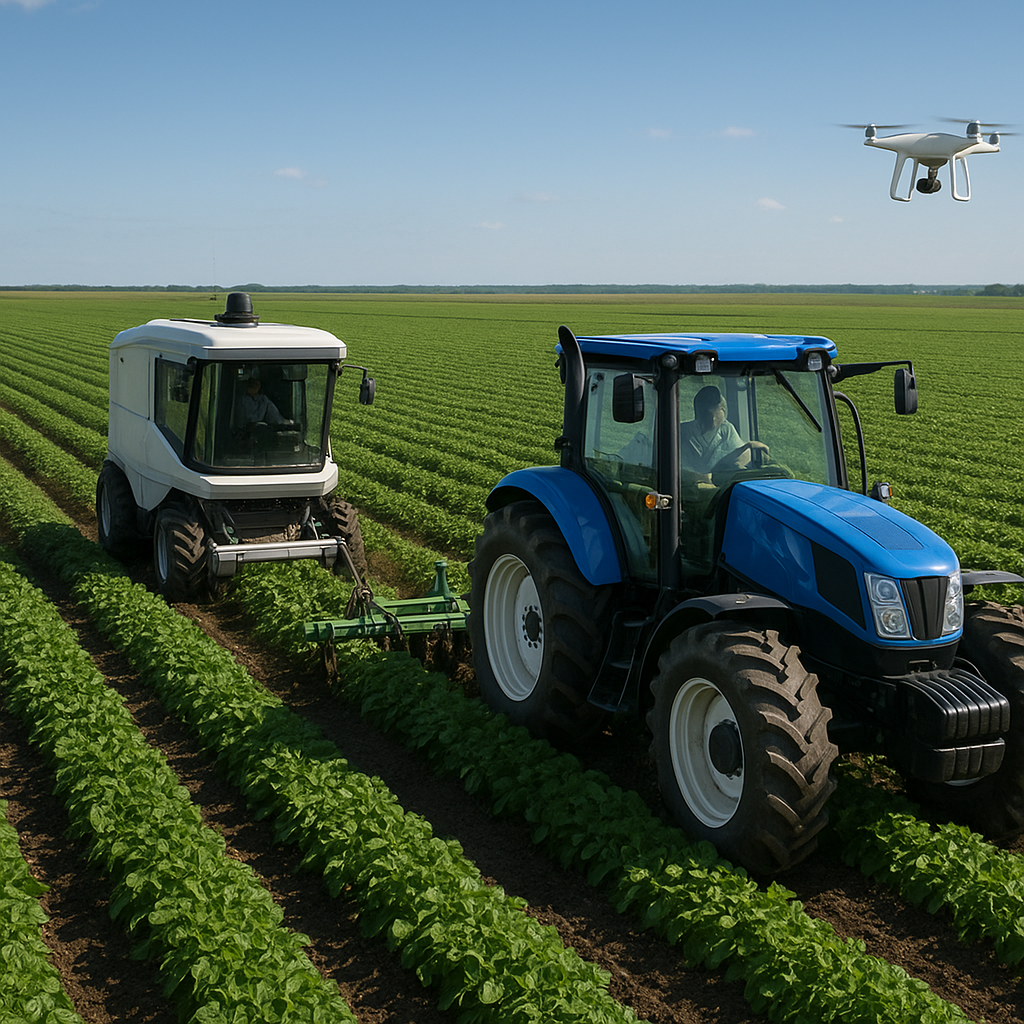
Across expansive fields from the American Midwest to the plains of Australia, massive agricultural enterprises are deploying advanced technologies to transform traditional practices. By integrating cutting-edge machinery and intelligent systems, these world farms are achieving levels of efficiency and precision once thought impossible. Automation is no longer a futuristic concept but a driving force behind higher yields, reduced waste, and more sustainable operations at scale.
Innovations in Farm Machinery
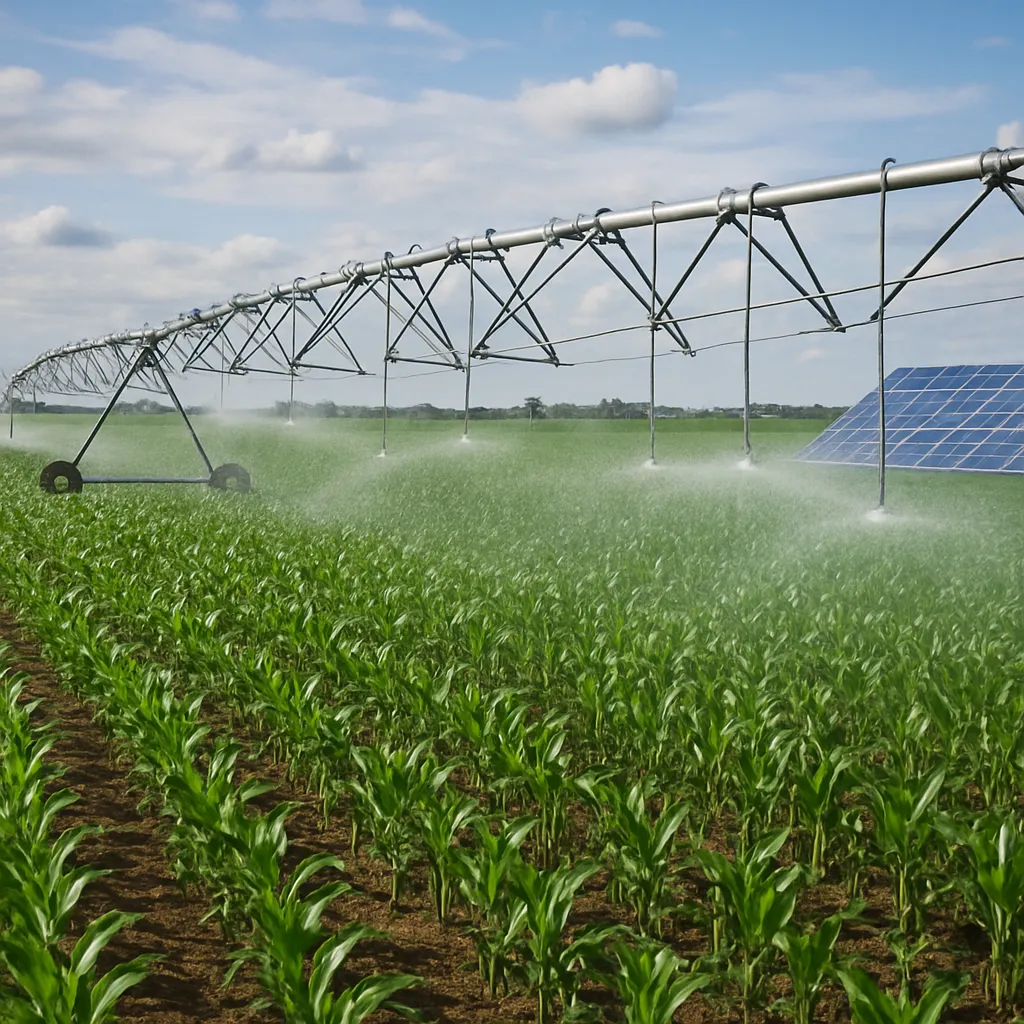
Modern large-scale farms rely on a diverse array of automated equipment to optimize labor and manage vast acreages. GPS-guided tractors now navigate fields with pinpoint accuracy, reducing overlaps and gaps during planting. Self-driving combines harvest crops with minimal human intervention, while autonomous sprayers apply fertilizers and pesticides only where needed, cutting input costs and environmental impact.
- Sensors embedded in soil probes monitor moisture and nutrient levels in real time, feeding data to cloud platforms.
- Robotic seeders adjust planting depth and spacing on-the-fly based on soil conditions.
- Drones equipped with multispectral cameras perform aerial surveys, detecting crop stress zones for targeted treatment.
Machine manufacturers are also exploring modular attachments that integrate easily with existing fleets. This modular approach allows farms to scale automation gradually, pairing traditional tractors with advanced implements. As a result, capital investments can be staged according to budget and immediate needs.
Data-Driven Crop Management
On sprawling farms, human observation alone cannot track every field. Instead, data analytics platforms collect massive volumes of information from sensors, satellite imagery, and farm equipment. Through sophisticated AI algorithms, managers receive prescriptive insights on irrigation schedules, fertilizer application, and harvest timing.
Key benefits include:
- Optimized water use, lowering costs and conserving resources.
- Predictive modeling for pest and disease outbreaks, allowing early intervention.
- Yield forecasting that informs distribution logistics and market strategies.
Farmers can visualize their entire operation on interactive dashboards. Geo-referenced maps display variable-rate seeding prescriptions, while machine-learning models continuously improve recommendations based on historical outcomes. This iterative cycle fosters a more resilient and sustainable approach to crop management.
Robotization and Labor Efficiency
As labor shortages intensify worldwide, large-scale farms are turning to robots for repetitive tasks. Automated harvesters pick fruits and vegetables with delicate precision, while weeding robots navigate between rows, uprooting weeds without damaging crops. These machines operate day and night, maintaining a steady workflow that human crews cannot match.
- Robotics reduce reliance on seasonal labor and mitigate the challenges of workforce availability.
- Collaborative machines work alongside people in packing facilities, sorting produce by size and quality faster than manual lines.
- On dairy farms, robotic milking systems monitor cow health and milk yield, alerting staff to anomalies instantly.
Integrating robotics also enhances workplace safety by removing workers from hazardous environments. Chemical handling, heavy lifting, and repetitive motions become automated, minimizing injuries and boosting overall productivity.
Sustainability Benefits through Automation
Beyond productivity gains, automation promotes sustainability by reducing waste and conserving resources. Precision irrigation systems deliver water exactly where roots need it, preventing runoff and preserving aquifers. Smart nutrient applicators tailor fertilizer mixes to crop demands, cutting nutrient leaching into surrounding ecosystems.
Additional environmental advantages include:
- Lower greenhouse gas emissions, as optimized machinery routes reduce fuel consumption.
- Reduced chemical usage, thanks to targeted pest management strategies.
- Enhanced soil health, driven by variable-rate tillage that avoids overcompaction.
By leveraging real-time monitoring and closed-loop control systems, farms achieve a balance between high output and responsible stewardship of natural resources. This synergy between technology and ecology is setting new industry standards for regenerative agriculture.
Challenges and Future Outlook
While the benefits of automation are clear, implementing large-scale systems involves hurdles. High initial capital costs, interoperability concerns, and the need for specialized technical expertise can slow adoption. Data security and connectivity challenges in remote areas further complicate integration efforts.
Nevertheless, ongoing innovations promise to lower barriers. Advances in edge computing and 5G networks will enable real-time collaboration between machines and analytics platforms. Open-source software initiatives are fostering interoperability, allowing diverse equipment brands to communicate seamlessly. Training programs and remote support services are emerging to equip farm personnel with the skills needed to manage sophisticated systems.
The future of world farms is one of continuous evolution. As automation technologies mature, large-scale operations will become increasingly resilient to climate volatility and market fluctuations. By marrying scale with smart systems, these farms are poised to feed a growing global population more sustainably than ever before.