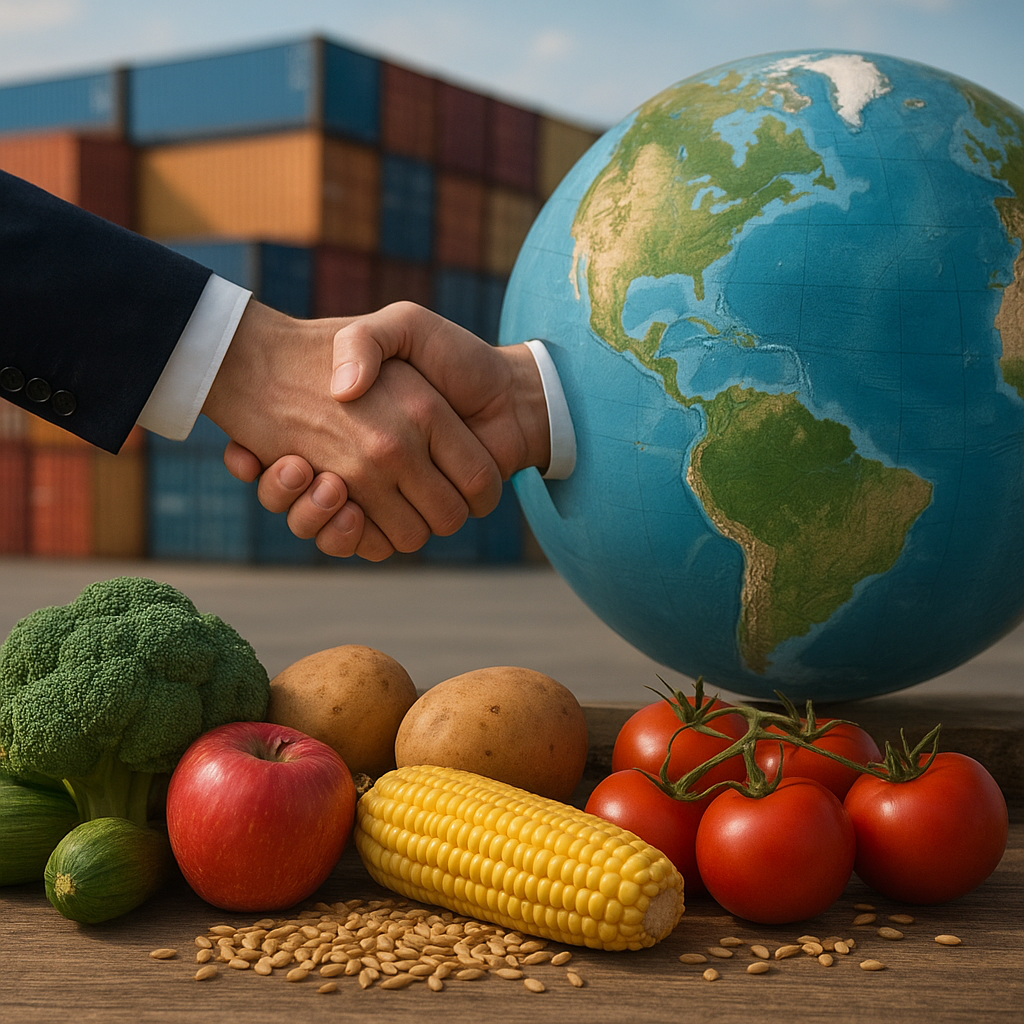
The evolving landscape of international trade agreements has a profound influence on global food production, reshaping supply chains, pricing structures, and farming practices across continents. By examining key treaties and their ripple effects on agriculture, one gains insight into how policies crafted in negotiation rooms translate into realities on vast farmlands from North America to Southeast Asia.
Trade Agreements and Market Access
Modern trade pacts aim to lower barriers and streamline cross-border commerce. Within agreements like the Regional Comprehensive Economic Partnership (RCEP), the Comprehensive and Progressive Agreement for Trans-Pacific Partnership (CPTPP), and USMCA, negotiators target tariffs and non-tariff hurdles that historically impeded agricultural exchanges. Reduced duties allow exporters to reach new customers, but they also intensify competition among producers.
- Tariff Elimination: Countries gradually phase out import levies on grains, dairy, and fresh produce.
- Sanitary and Phytosanitary Standards: Harmonized standards aim to ensure consumer safety, though they can be exploited as protectionist tools.
- Intellectual Property Provisions: Protections for seeds and plant varieties give multinational firms an edge in innovation.
While farmers in exporting nations celebrate newfound demand, smallholders in import markets may face price volatility. For example, when state-subsidized wheat from one country floods another’s market, local growers struggle to match artificially low prices. This delicate balance between opportunity and risk underscores the need for policies that foster equitable growth.
Effects on Agricultural Producers
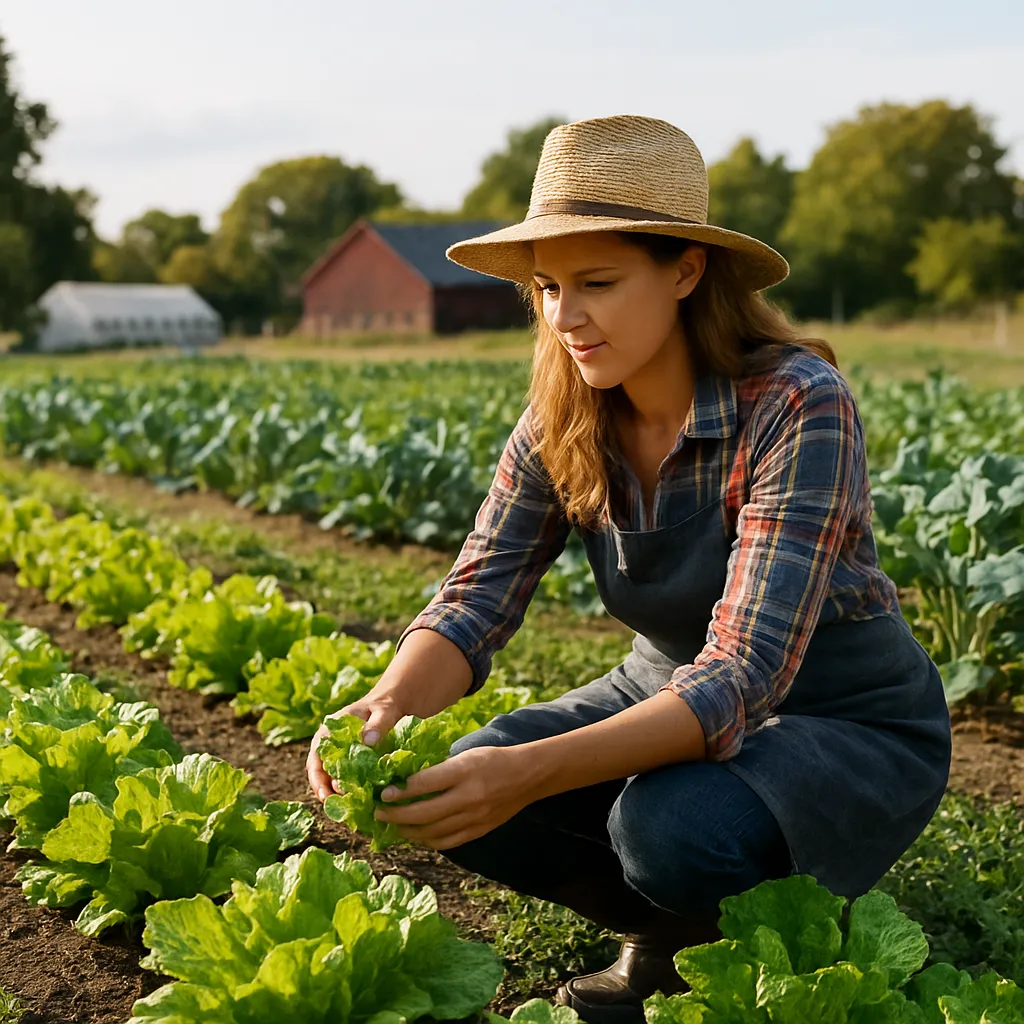
Agricultural stakeholders respond differently to the pressures and prospects introduced by trade agreements. Large-scale agribusinesses often possess the resources to adapt swiftly, leveraging economies of scale, advanced machinery, and access to international financing. Conversely, rural communities dependent on traditional farming practices may find themselves marginalized.
- Economies of Scale: Consolidated operations achieve higher productivity and can negotiate favorable shipping rates.
- Access to Inputs: Liberalized markets grant cheaper fertilizers or genetically enhanced seeds, yet can undermine local seed diversity.
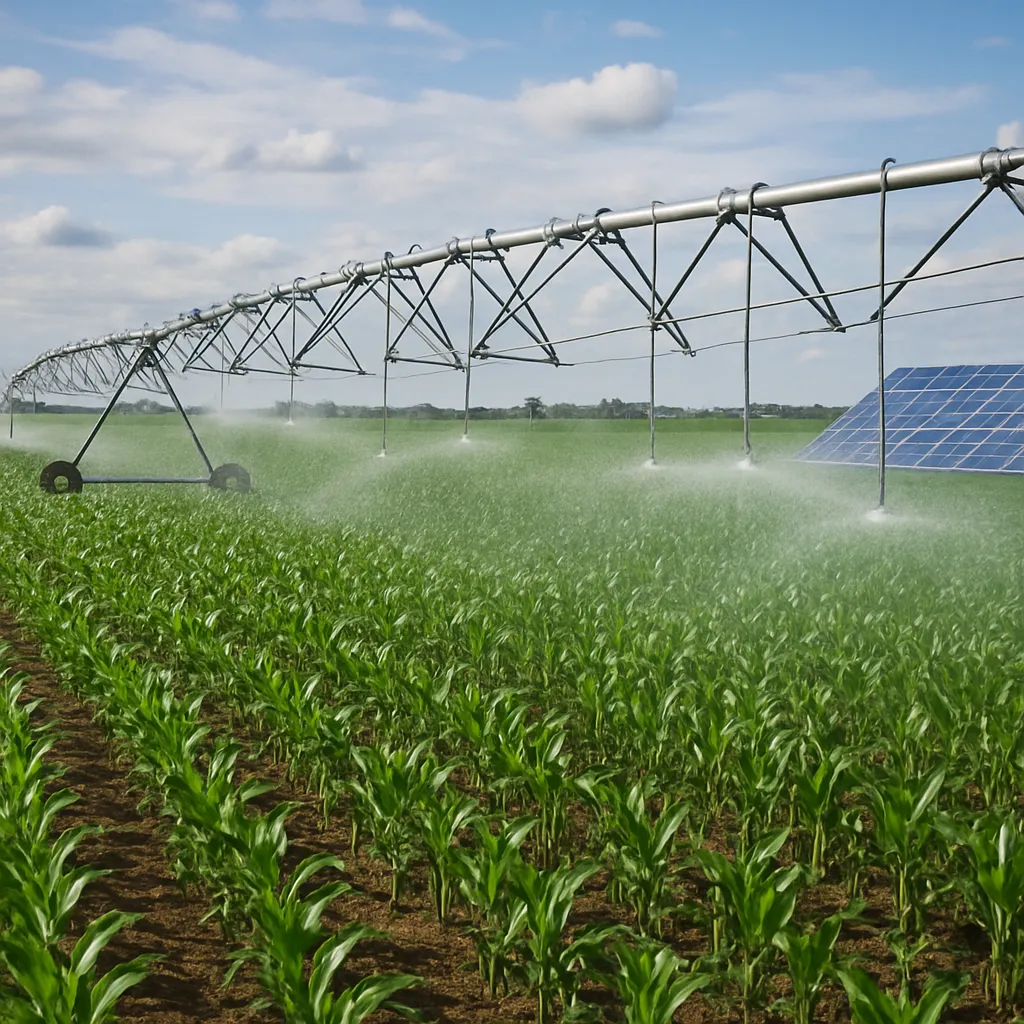
- Credit and Investment: Foreign direct investment flows into mechanization and irrigation projects, raising output but sometimes provoking land tenure disputes.
Case in point: In several African nations, liberalization under the African Continental Free Trade Area (AfCFTA) attracted warehouse and processing investments, boosting exports of cocoa and coffee. Still, critics warn that bypassing smallholder cooperatives risks concentrating profits among a handful of corporate players, threatening long-term equity in rural economies.
Sustainability and Environmental Considerations
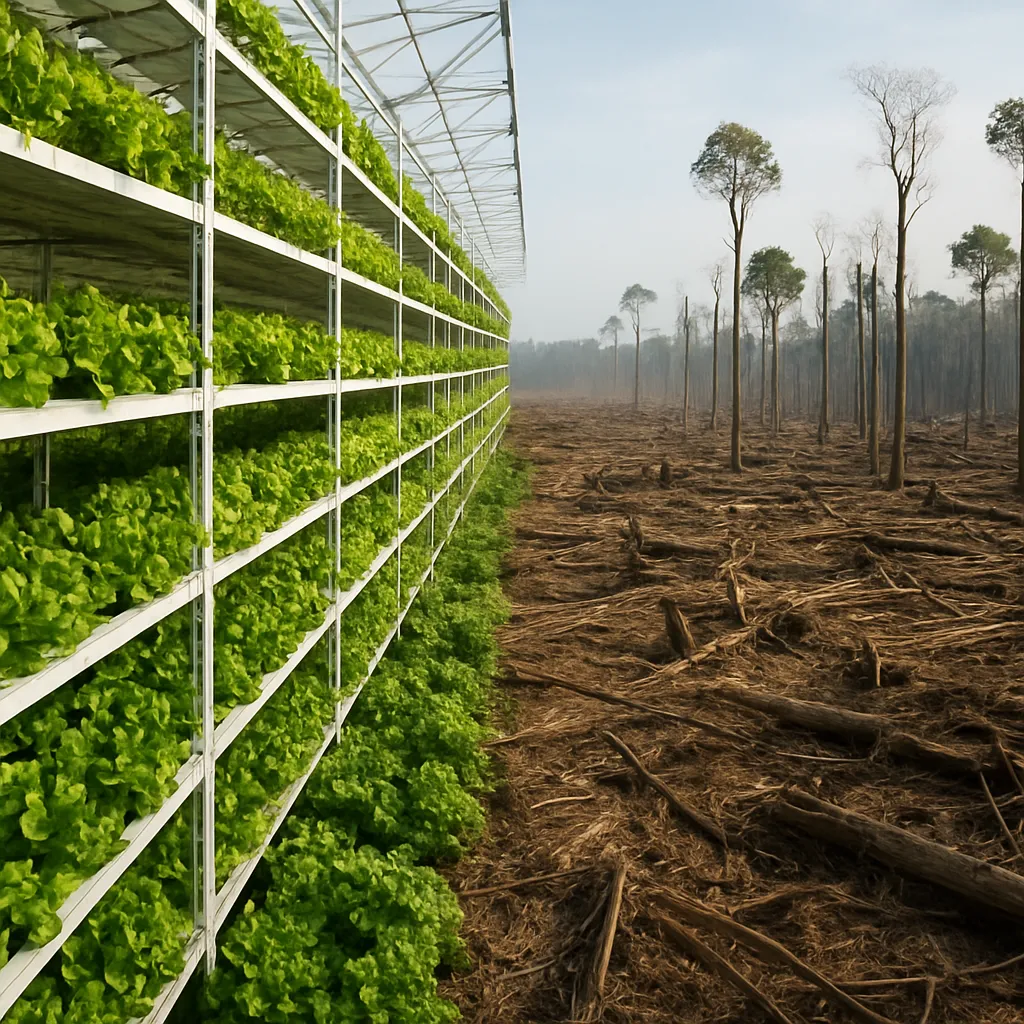
Though trade agreements seldom center on ecology, their consequences for natural resources and carbon footprints are significant. Lower barriers can lead to increased production in regions with lenient environmental oversight, intensifying deforestation, water depletion, and greenhouse gas emissions. Conversely, some modern pacts incorporate environmental chapters encouraging responsible practices.
Challenges to Biodiversity
- Monoculture Expansion: Farmers may replace diverse cropping systems with export-friendly staples, eroding biodiversity.
- Pesticide Use: Competitive pressures push producers toward high-yield, chemically intensive methods, risking soil and water health.
Green Clauses in Trade Texts
- Environmental Impact Assessments: Mandatory reviews for large-scale agribusiness projects.
- Carbon Reduction Commitments: Encouraging cleaner supply chains and reduced transport emissions.
- Protecting Indigenous Lands: Provisions to prevent trade-driven land grabs that threaten ecosystems.
Yet enforcement remains uneven. Without robust monitoring mechanisms, lofty environmental promises can fail to curb unsustainable practices driven by the imperative to compete in global markets.
Technological Innovation and Resilience
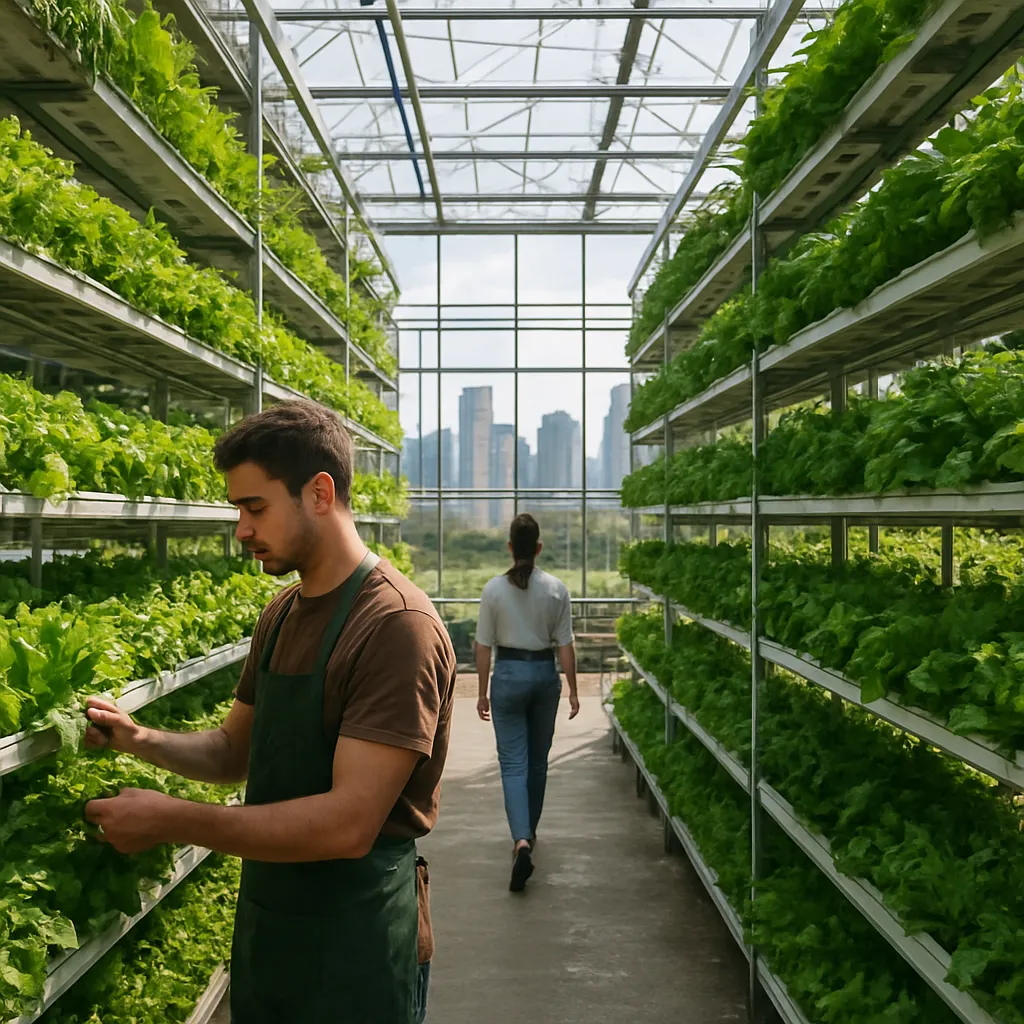
As international trade amplifies both market opportunities and risks, technology emerges as a critical tool for farmers worldwide. Digital platforms, precision agriculture, and biotechnology help stakeholders navigate shifting trade winds while bolstering yields and resilience.
- Precision Farming: Satellite imagery and sensor networks optimize water and fertilizer application, lowering costs and environmental impact.
- Blockchain Traceability: Supply chain transparency builds consumer trust and ensures compliance with trade partner requirements.
- Climate-Resilient Crops: Genetically engineered varieties withstand drought or salinity, crucial for export crops vulnerable to changing weather patterns.
These technological advances, however, often require significant investment and technical know-how. Trade deals that include capacity-building initiatives—training programs, research collaborations, and financial support—help small-scale producers access cutting-edge tools otherwise confined to large agribusiness.
Policy Recommendations for Inclusive Growth
To ensure that global trade agreements foster sustainable, equitable food production, policy architects should consider:
- Strengthening Safety Nets: Social programs and crop insurance schemes to shield smallholders from market shocks.
- Supporting Cooperative Models: Facilitating aggregation and marketing for farmer groups to compete on equal footing.
- Embedding Environmental Safeguards: Clear targets and penalties to enforce sustainable land-use and conservation.
- Investing in Rural Infrastructure: Roads, storage facilities, and broadband connectivity to unlock value for remote communities.
- Promoting fair trade certification and local processing to retain more value within origin countries.
By weaving these measures into future agreements or amendments, negotiators can cultivate a more balanced trade ecosystem—one that rewards productivity while preserving cultural heritage, environmental health, and local livelihoods.