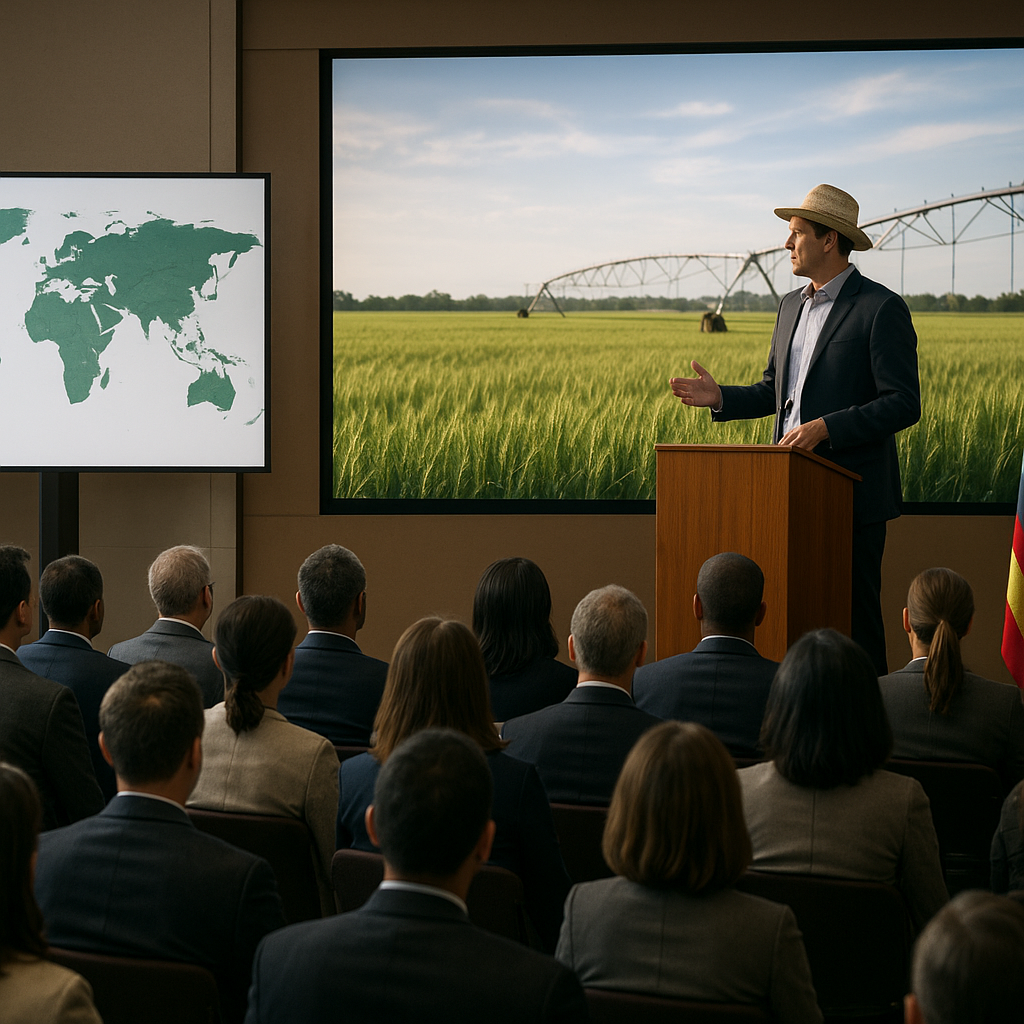
International conferences play an instrumental role in shaping the future of global agricultural practices. By bringing together researchers, policymakers, farmers, and industry leaders, these gatherings foster knowledge exchange, promote innovative solutions, and drive collective action in addressing pressing challenges. As world farms navigate the demands of a growing population, evolving markets, and environmental pressures, the insights and connections forged at these events become catalysts for transformative change.
Global Collaboration Through International Summits
Major forums such as the Global Agriculture Forum, the United Nations Food Systems Summit, and the World Agri-Tech Innovation Summit create platforms for collaboration across continents. Delegates share success stories, discuss barriers, and outline strategies for scaling effective practices. Key objectives include:
- Establishing research partnerships that span geographic and disciplinary boundaries
- Coordinating responses to transnational threats like pests, diseases, and supply chain disruptions
- Promoting equitable access to resources and markets for smallholder and large-scale operations alike
- Standardizing data collection methodologies to improve transparency and decision-making
Through plenary sessions, roundtable discussions, and bilateral meetings, participants build networks that accelerate the diffusion of ideas. Such collaboration has led to joint ventures in sustainable seed development and cooperative early-warning systems against climate extremes.
Technological Advancements and Knowledge Transfer
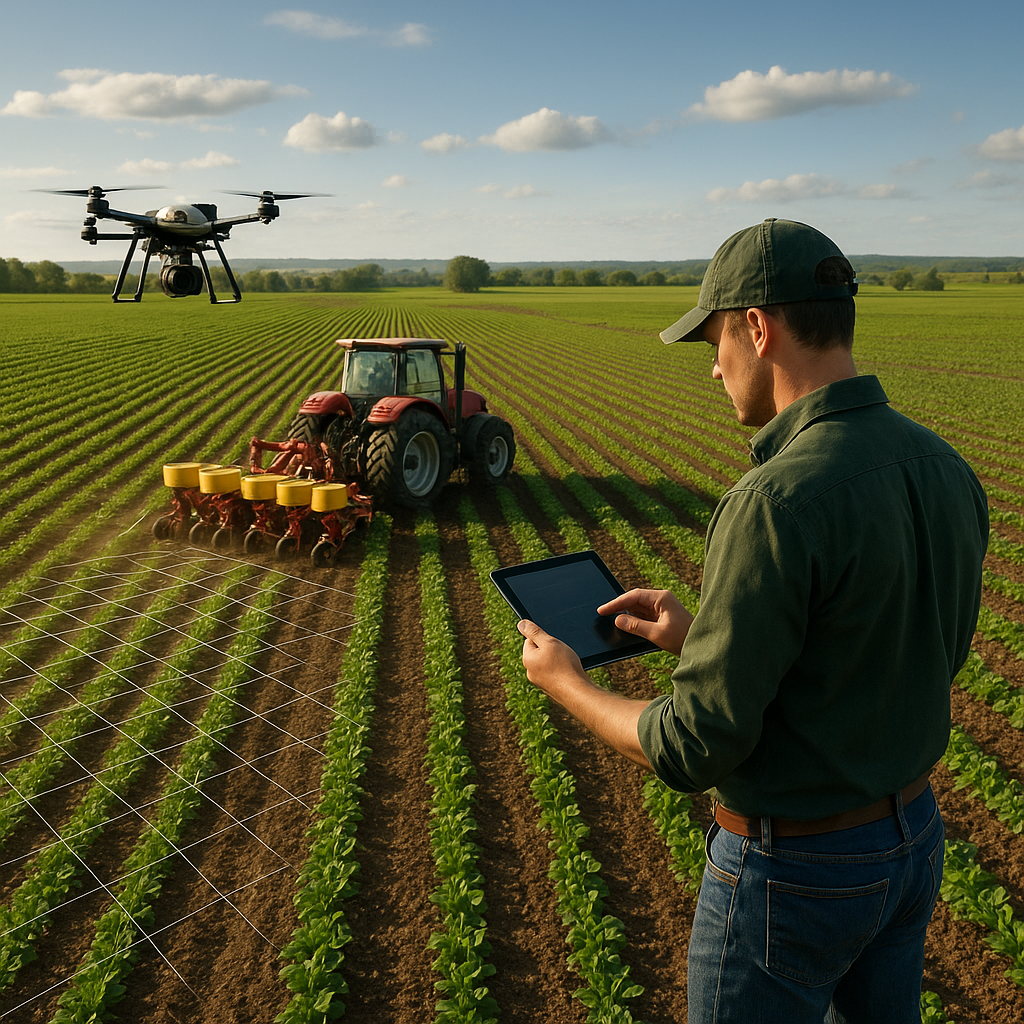
Technology has become a cornerstone topic at every major agriculture conference. Innovations such as precision agriculture, remote sensing, and automated machinery are showcased in dedicated pavilions and live demonstrations. Experts emphasize the role of:
- technology-driven data analytics for optimizing input use and maximizing yield
- Artificial Intelligence models that predict crop performance under varying conditions
- Drone-assisted monitoring for real-time field assessments and targeted interventions
- Blockchain solutions ensuring traceability from farm gate to consumer table
Workshops facilitate hands-on training, enabling farmers and extension agents to adopt these tools effectively. The exchange of digital platforms and open-source software further democratizes access to cutting-edge solutions, narrowing the gap between advanced research institutions and remote agricultural communities.
Sustainability and Climate Resilience
As the agricultural sector grapples with the impacts of global warming, sessions dedicated to sustainability and resilience are among the most attended. Stakeholders explore agroecological practices that enhance soil health, conserve water, and promote biodiversity. Discussions address:
- Agroforestry systems that integrate tree cover for carbon sequestration and habitat restoration
- Regenerative tillage methods that minimize soil erosion and maintain organic matter
- Climate-smart cropping calendars tailored to shifting precipitation patterns
- Innovative financing models for farmers investing in green infrastructure
Experts highlight case studies where integrated pest management reduced chemical inputs by over 40%, demonstrating that ecological balance can be both profitable and protective of natural resources. By spotlighting these successes, conferences catalyze policy reforms that incentivize sustainable land management across jurisdictions.
Shaping Policies and Trade Agreements
Global gatherings influence the development of agricultural policy and trade frameworks by convening ministries, regulatory bodies, and private-sector representatives. Negotiations focus on:
- Tariff harmonization to facilitate cross-border movement of seeds, fertilizers, and machinery
- Intellectual property rules that balance innovation incentives with farmers’ rights
- Phytosanitary standards designed to prevent the spread of invasive species
- Subsidy realignment that encourages resource-efficient production over volume-based incentives
These dialogues often result in multilateral agreements that set benchmarks for environmental safeguards and equitable market access. By bringing diverse voices to the table, conferences ensure that emerging economies and indigenous communities have a stake in shaping rules that directly affect their livelihoods.
Capacity Building and Education
Workshops, masterclasses, and field visits provide immersive learning opportunities, reinforcing the importance of continuous education in agriculture. Through tailored sessions, participants gain skills in:
- Implementing precision irrigation systems and monitoring soil moisture in real time
- Applying genomic tools for crop improvement and disease resistance
- Deploying mobile applications that connect farmers to market price information
- Adopting governance models that foster community-based resource management
Mentorship programs initiated at these events help emerging leaders navigate complex technical and managerial challenges. The cross-pollination of ideas between veteran practitioners and younger innovators accelerates the adoption of best practices, ensuring that agricultural knowledge evolves in step with global needs.
Emerging Trends and the Road Ahead
Conferences continually spotlight nascent themes that will define the next decade of farming. Among these are:
- innovation in alternative proteins and cellular agriculture to meet protein demand sustainably
- Digital marketplaces empowering producers with transparent pricing and direct-to-consumer channels
- Harnessing big data for predictive analytics that enhance farm-level decision-making
- Embedding research networks that connect local trials to global meta-analyses
- Strengthening genetic diversity in crop varieties to safeguard against emerging threats
As these trends gain momentum, future conferences will likely embrace hybrid formats, leveraging virtual platforms to broaden participation while preserving the value of in-person interactions. With ongoing emphasis on equitable technology transfer and adaptive management, international gatherings will continue to steer world farms toward a more productive, fair, and resilient future.