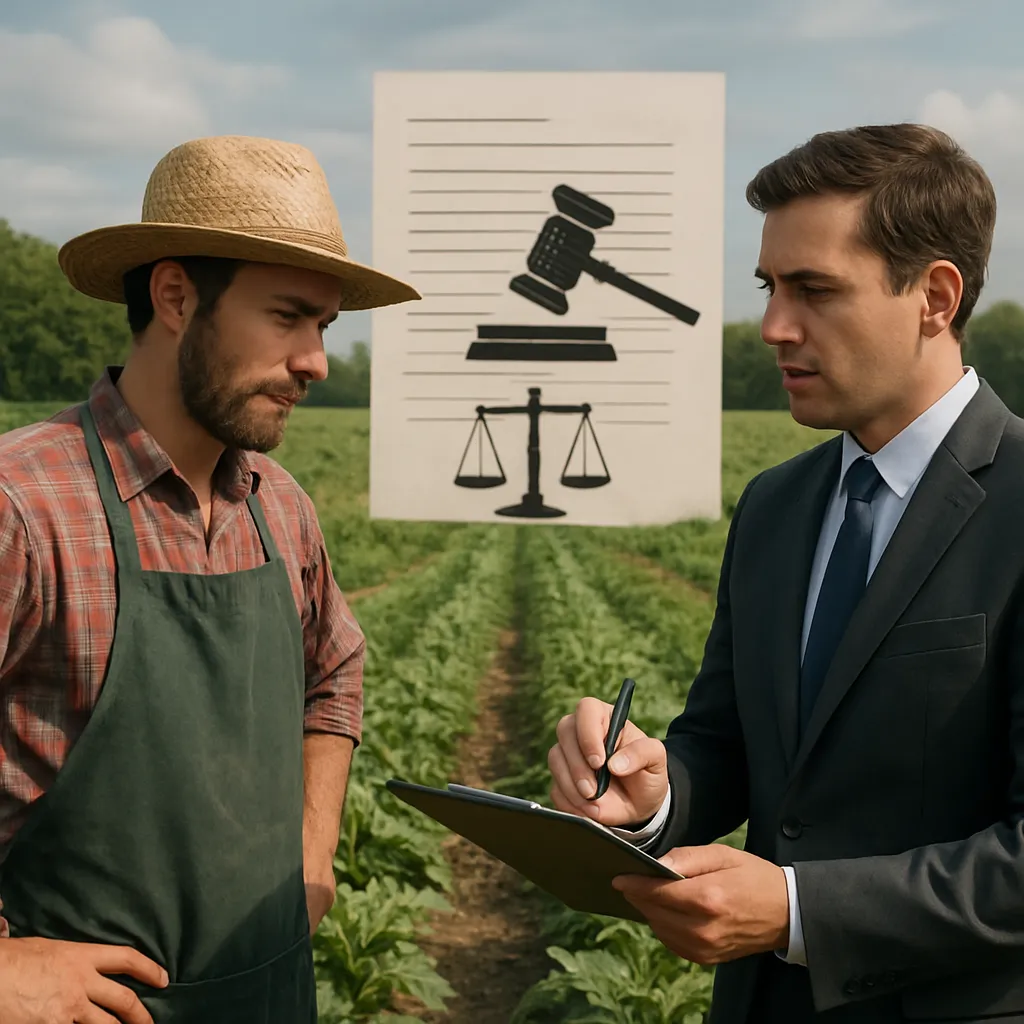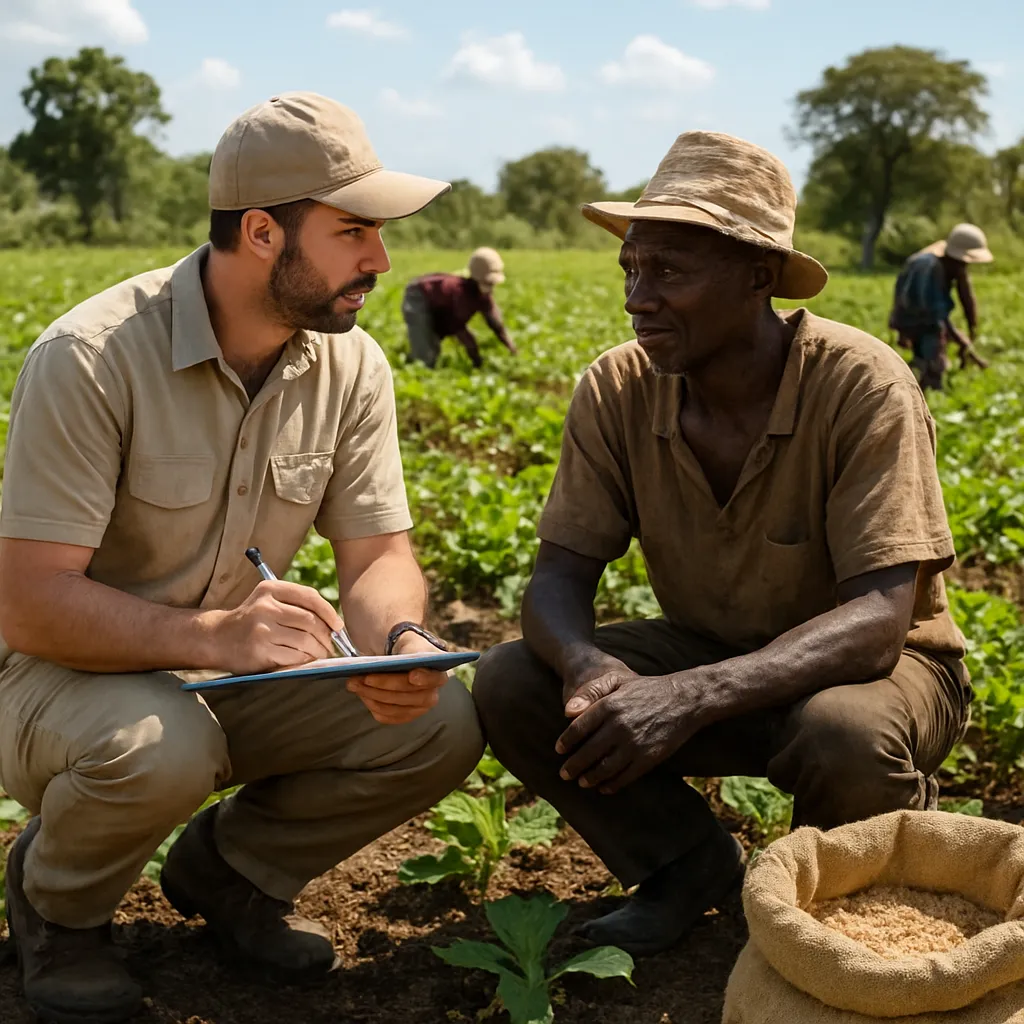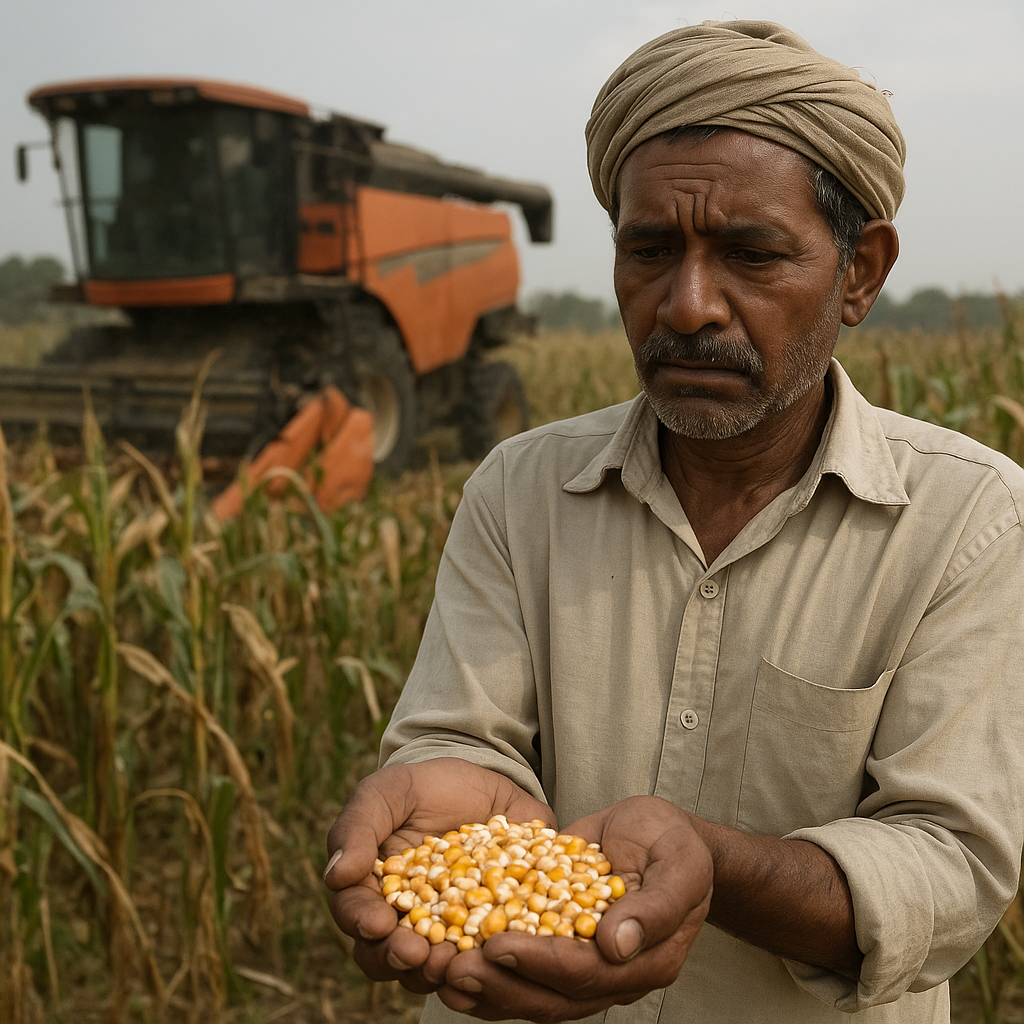
Global trade agreements are **reshaping** agricultural landscapes across the globe, with profound consequences for smallholders, community livelihoods, and food security in developing nations. As countries negotiate complex deals that reduce **tariffs**, harmonize standards, and open markets, farmers in the Global South face both newfound chances and daunting challenges. This article explores how these agreements influence market access, pricing, environmental practices, and local resilience strategies.
Market Access and Price Volatility
Facilitated by preferential tariffs and quota reductions, developing countries often see expanded entry to consumer markets in Europe, North America, and Asia. Yet, without adequate capacity, small-scale producers struggle to meet quality, safety, and volume requirements. When duties fall, arise:
- Increased Competition – Domestic farmers must compete with large-scale, highly **efficient** exporters.
- Price Swings – International commodity markets can be volatile, exposing producers to sudden drops in income.
- Dependency Risks – Overreliance on a narrow set of export crops can leave communities vulnerable to external shocks.
Case Study: West African Cocoa
Cocoa producers in Côte d’Ivoire and Ghana benefited from reduced European Union duties under the Economic Partnership Agreements. Yields climbed, but **global trade** participants also face intense price undercutting from South American megafarms. During periods of global oversupply, farm-gate prices can plunge by 20–30%, jeopardizing livelihoods.
Subsidies, Tariffs, and Dumping
Wealthier nations often maintain generous **subsidies** for their farmers. These monetary supports allow exporters in the United States, EU, Japan, and China to offer agricultural goods at prices well below production costs. The consequences for developing-country producers are severe:
- Artificial Price Depression – Imported staples like rice, maize, and dairy products flood local markets at rock-bottom rates.
- Loss of Income – Smallholders cannot match subsidized prices, leading to reduced earnings or market exit.
- Food Security Threats – Domestic production declines, increasing dependence on unpredictable imports.
Tariff Escalation and Fairness
Some trade deals employ a system of escalating tariffs, setting higher duties on processed or value-added products. While this aims to protect local industries, it often locks farmers into exporting only raw commodities, undermining potential for **diversification** and local processing.
Environmental and Social Impacts
Agricultural trade liberalization profoundly affects natural resources and community well-being. As producers chase export contracts:
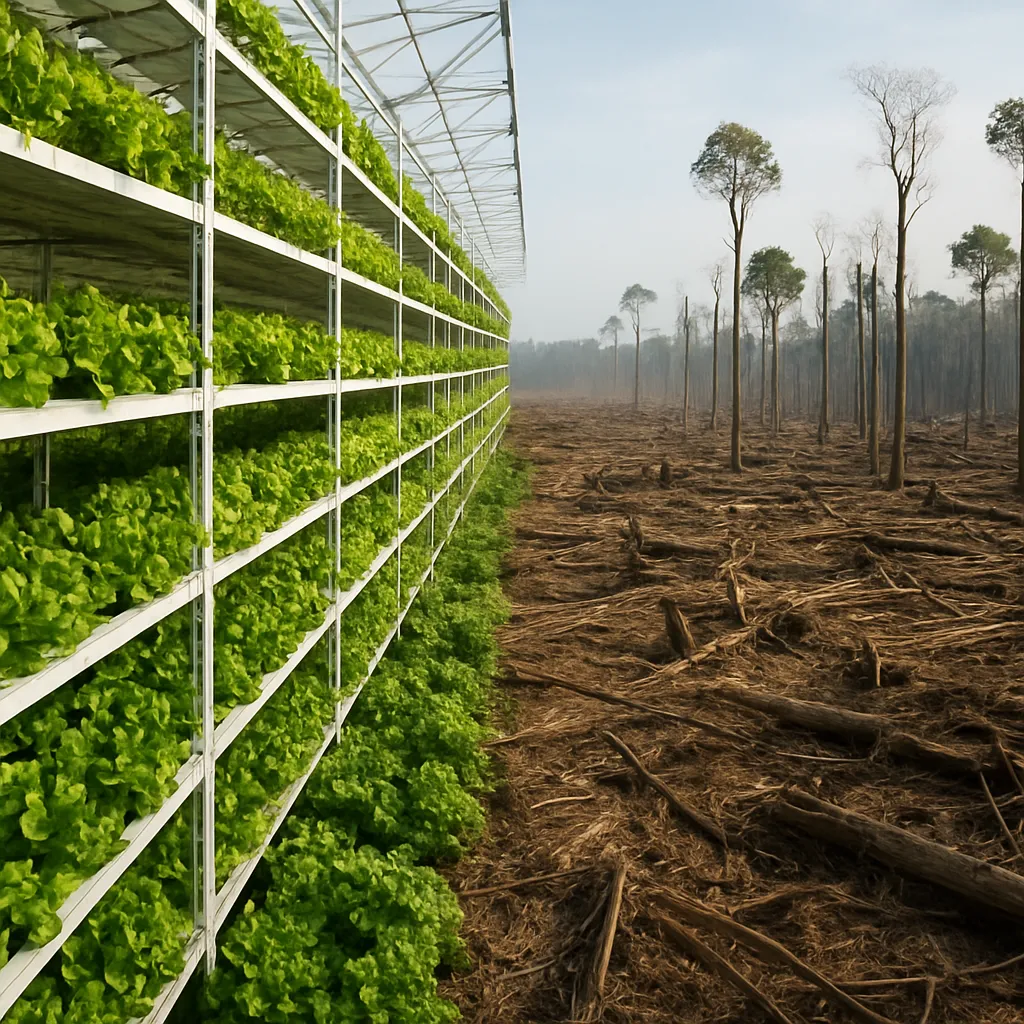
- Deforestation – Expansion into forested areas for cash crops like palm oil or soy accelerates biodiversity loss.
- Soil Degradation – Intensive monoculture practices degrade soil health and reduce yields over time.
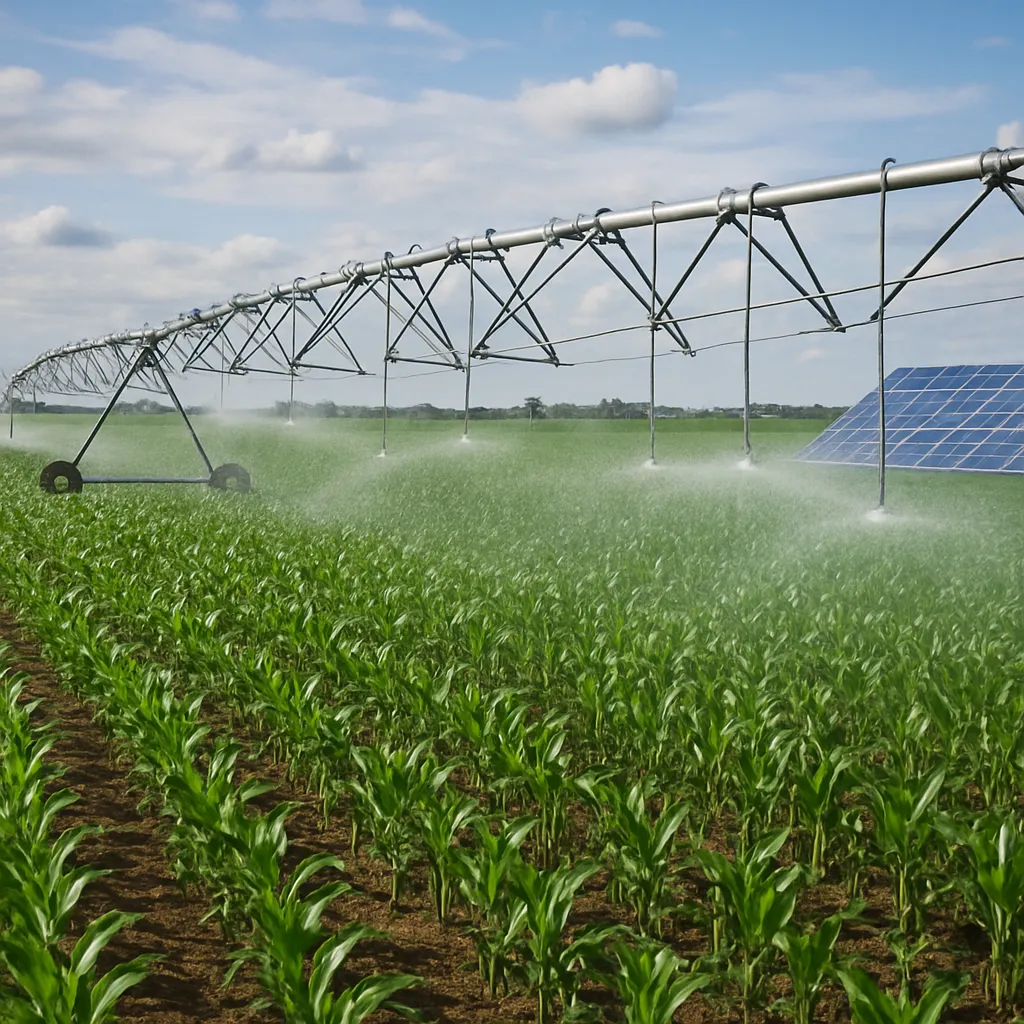
- Water Stress – Irrigation demands increase, straining limited water supplies in arid regions.
Gender and Labor Dynamics
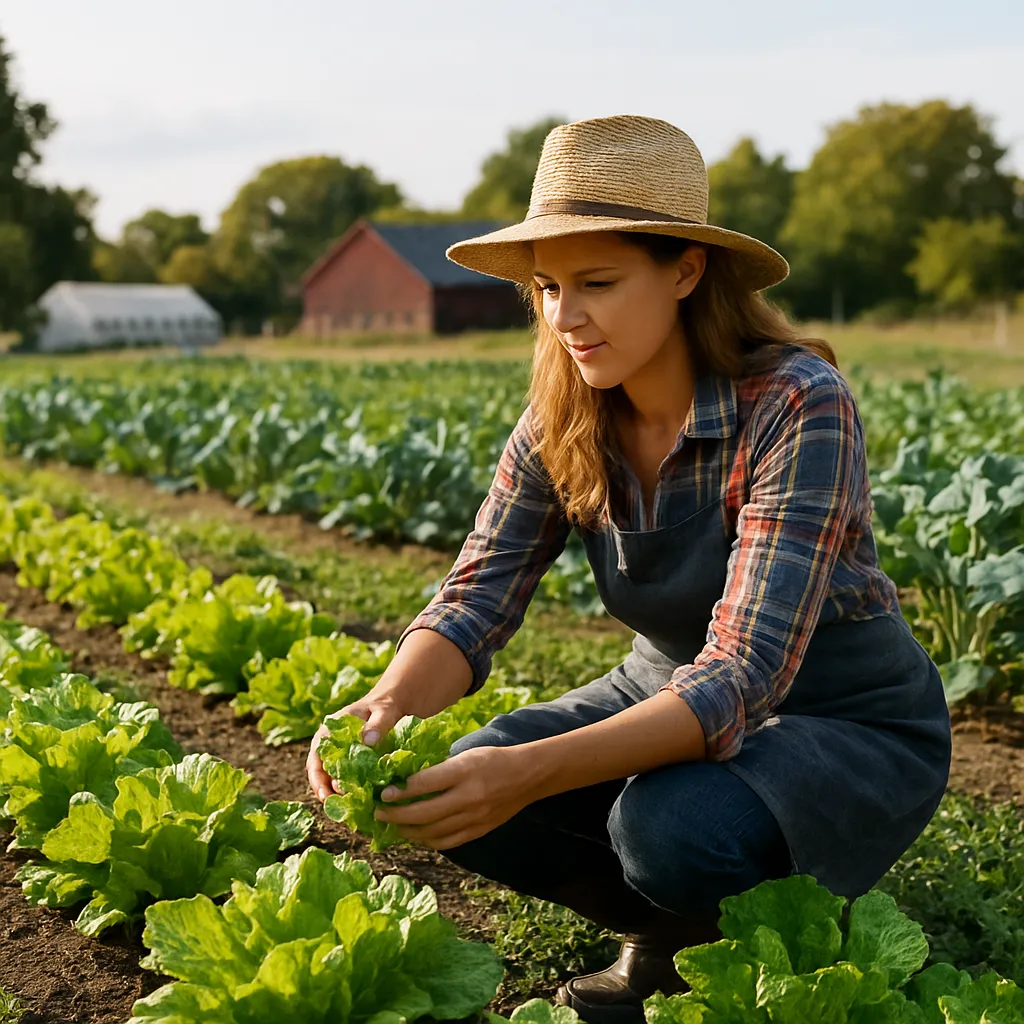
Women often form a substantial portion of the agricultural workforce in developing countries. Trade agreements that fail to consider gender disparities can exacerbate inequalities. When large plantations expand, local labor may shift from subsistence farming to low-paid, seasonal work, affecting community cohesion and food sovereignty.
Policy Responses and Local Strategies
To navigate the complex terrain of global trade, governments, NGOs, and farmer cooperatives are adopting diverse measures to bolster resilience and encourage **sustainability**.
- Capacity Building – Training in good agricultural practices, quality control, and certification (e.g., Fairtrade, Rainforest Alliance).
- Value-Chain Integration – Investments in local processing facilities to capture higher profits and foster **diversification**.
- Risk Management – Crop insurance schemes, price floor guarantees, and weather-indexed insurance to cushion against shocks.
- Collective Bargaining – Farmer cooperatives negotiate better terms, reduce transaction costs, and share market intelligence.
- Policy Advocacy – Lobbying for trade safeguards, anti-dumping measures, and transparent negotiations in regional blocs (e.g., AfCFTA, Mercosur).
Technological Innovations
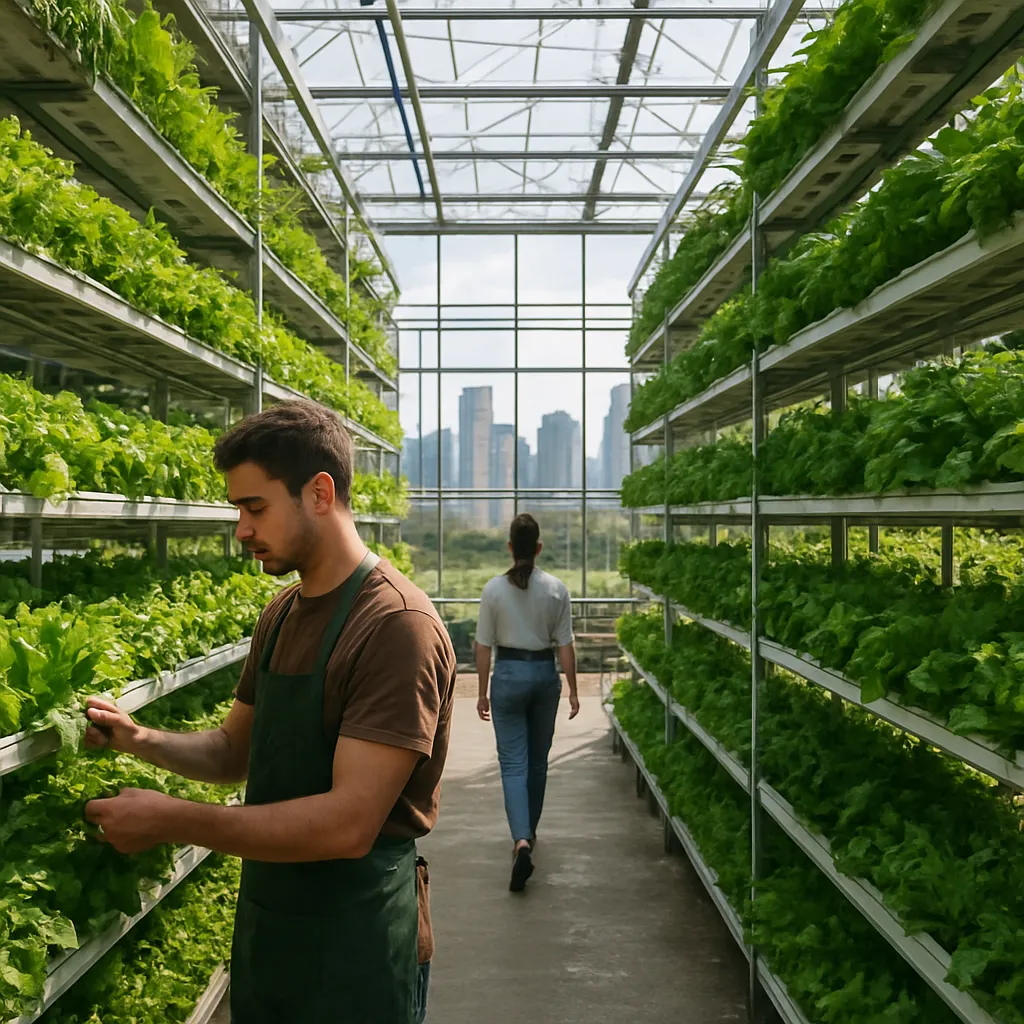
Digital platforms and mobile outreach provide up-to-date market prices, weather forecasts, and agronomic advice. By adopting precision agriculture tools and smartphone apps, farmers can optimize inputs, improve yields, and make more informed decisions in negotiating **supply chains**.
Case Study: Latin American Coffee Cooperatives
In Honduras and Peru, coffee cooperatives leveraged Fairtrade certification and direct trade relationships to secure premium prices. With pooled resources, they invested in wet mills and drying infrastructure. This approach fostered greater **resilience** against global price swings and improved community development outcomes.
Negotiation Dynamics and Future Directions
Trade negotiations increasingly address non-tariff barriers, digital commerce, and sustainability clauses. Developing countries advocate for “special and differential treatment” to retain the policy space needed for agricultural support and rural development. Key considerations include:
- Sunset Clauses – Time-bound commitments allow periodic review and adjustment of tariff schedules.
- Environmental Safeguards – Protected zones and stricter criteria to curb deforestation and encourage reforestation.
- Social Provisions – Explicit recognition of indigenous rights, women’s empowerment, and equitable land tenure systems.
By embedding sustainable development goals into trade frameworks, negotiators can help ensure that **global trade** deals uplift rather than undermine the well-being of farmers in developing regions. Future agreements may push for carbon-adjusted tariffs, cross-border traceability systems, and investment in rural infrastructure, all aimed at creating a more balanced, inclusive global food system.