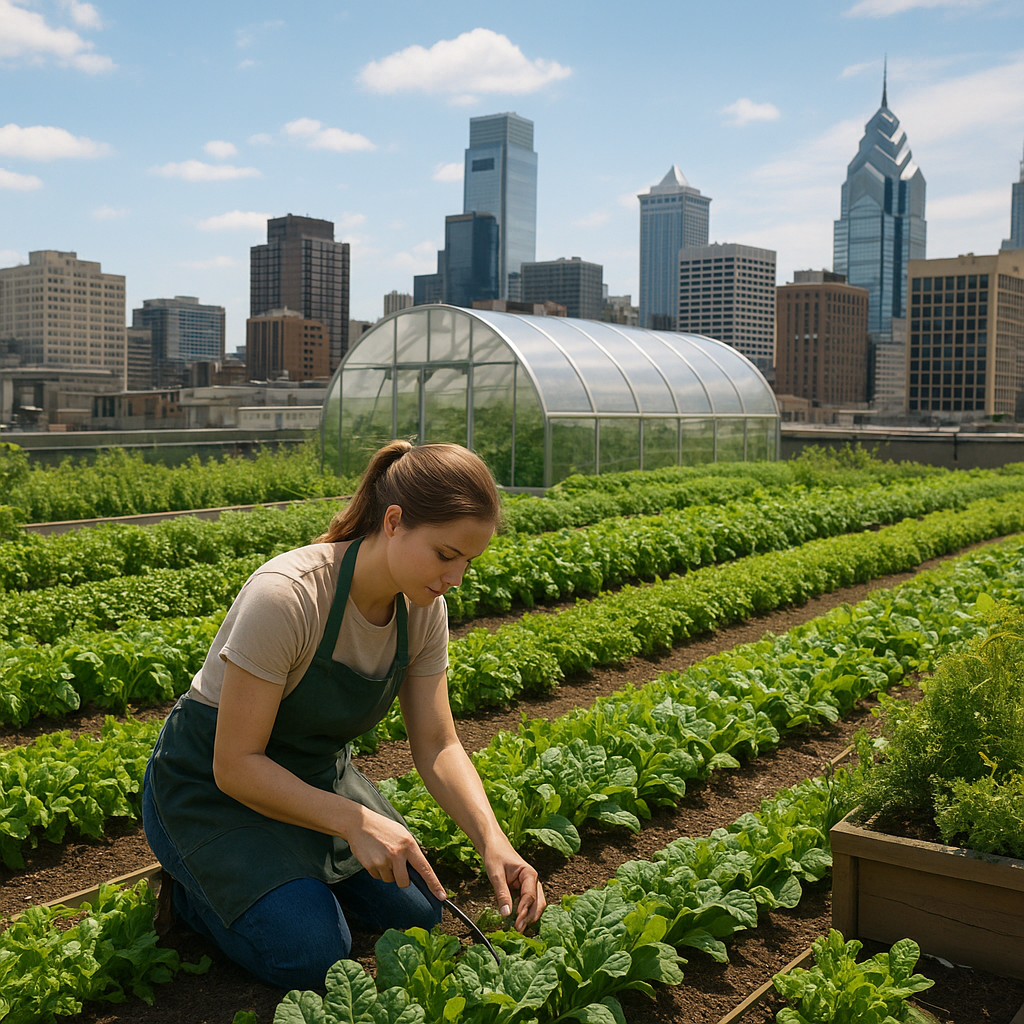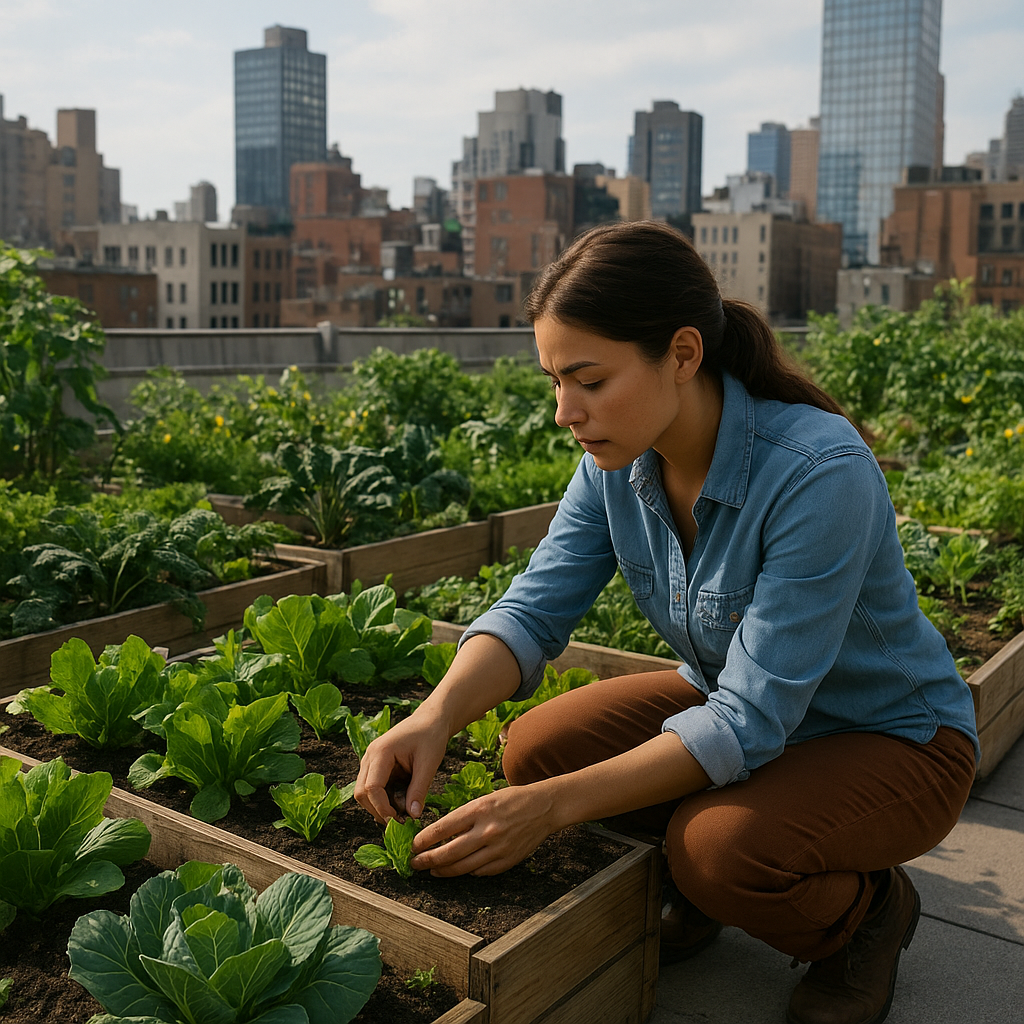
From the sun-baked plains of Sub-Saharan Africa to the high-tech greenhouses of Northern Europe, farms across the globe are reinventing themselves to tackle the mounting challenges of feeding a growing population. As **climate change**, **resource scarcity**, and shifting consumer demands converge, agricultural stakeholders are forging innovative approaches that blend age-old traditions with cutting-edge science. This exploration delves into how farmers, researchers, and policymakers are preparing for the future of **food security** through groundbreaking strategies in **technology**, **sustainability**, and global cooperation.
Sustainable Agriculture Innovations
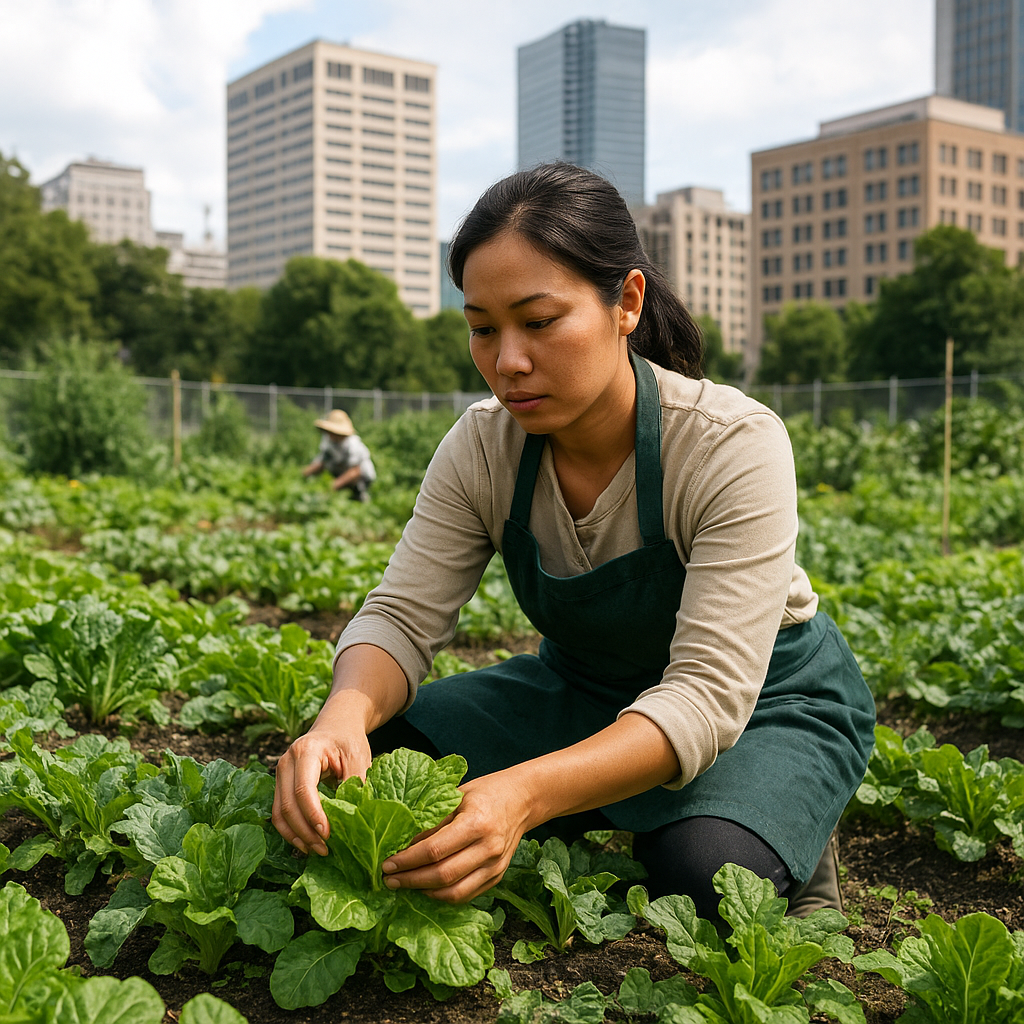
Across continents, the push for sustainable food production has triggered a wave of **innovations**. Far from being limited to large commercial operations, smallholder farms are adopting practices that enhance **biodiversity** and soil health while reducing environmental footprints.
Precision Agriculture and Data-Driven Decisions
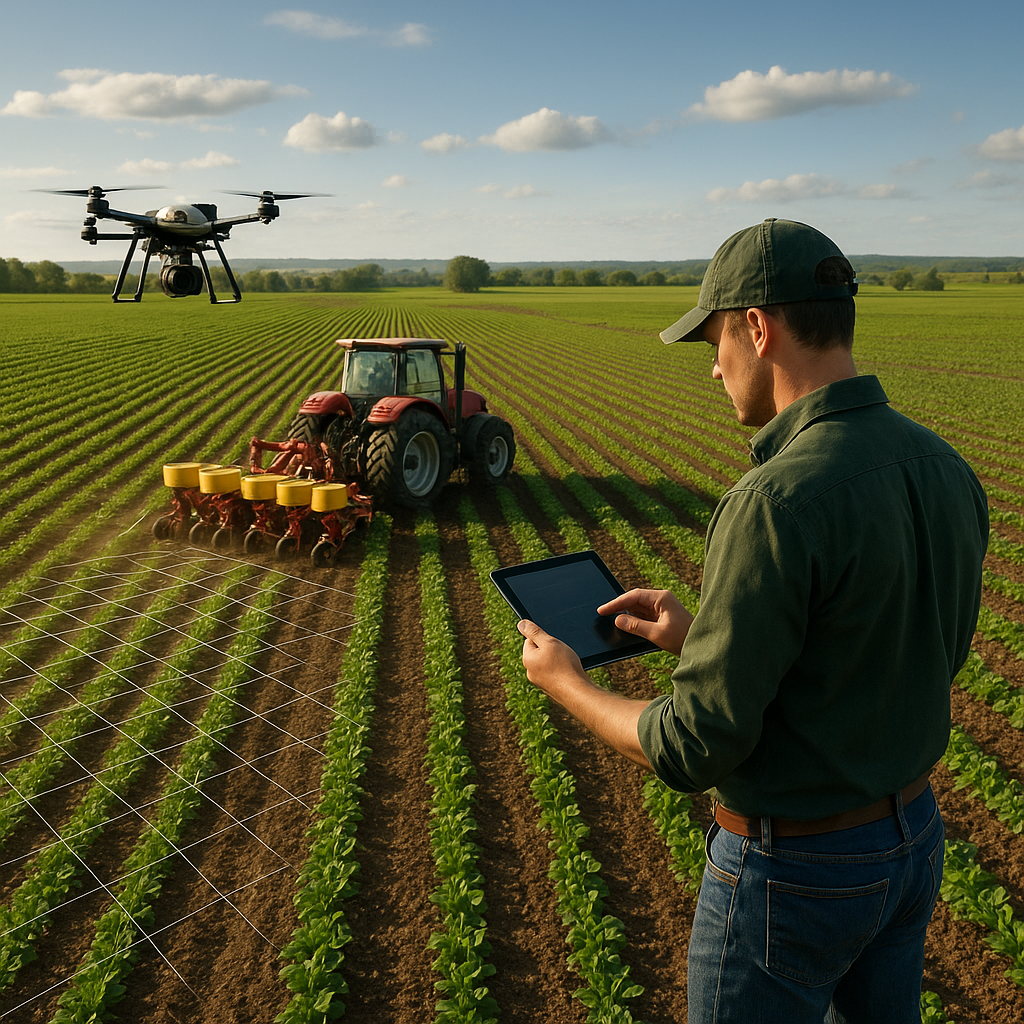
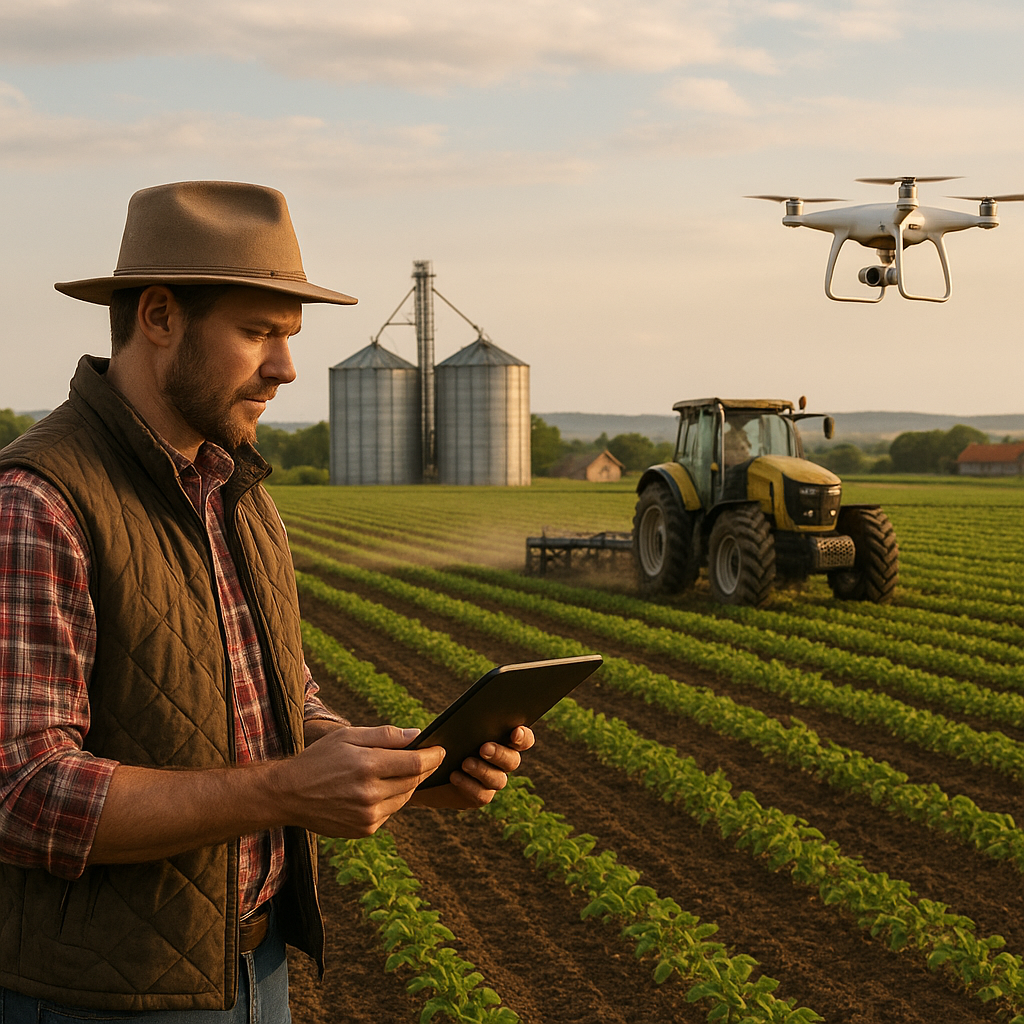
Precision agriculture harnesses **satellite imagery**, soil sensors, and real-time climate data to optimize planting, watering, and fertilization. By deploying networked moisture probes and drone-based imaging, farmers can:
- Reduce water usage by applying irrigation only where moisture deficits are detected.
- Target pesticide applications to pest hotspots, minimizing chemical runoff.
- Monitor crop health remotely, enabling early interventions for disease outbreaks.
Agroecological Approaches
Building on deep ecological insights, agroecology integrates **polycultures**, cover crops, and natural pest predators to create resilient farm ecosystems. Techniques include:
- Intercropping maize with legumes to boost nitrogen fixation and suppress weeds.
- Agroforestry systems that combine trees with annual crops, improving carbon sequestration and microclimates.
- Trap crops planted around perimeters to lure and contain pests away from main fields.
Resilience to Climate Change
With rising temperatures and erratic weather patterns upending traditional growing seasons, resilience has become a **cornerstone** of future-ready farming. Efforts to bolster adaptive capacity focus on both genetics and management.
Climate-Resilient Crop Varieties
Plant scientists are developing **drought-tolerant**, heat-resistant, and flood-resistant cultivars through advanced breeding and gene editing. Initiatives include:
- Using CRISPR techniques to unlock latent stress-response genes in rice and wheat.
- Selecting traditional landraces of sorghum and millet that thrive with minimal rainfall.
- Crossbreeding wild and domesticated strains of beans to combine higher yields with disease resistance.
Innovative Water Management
Water scarcity accelerates the need for efficient irrigation and storage methods. Farmers are turning to:
- Drip irrigation systems powered by solar pumps to deliver precise water doses.
- Rainwater harvesting reservoirs and underground cisterns to buffer dry spells.
- Fog-catching nets in arid coastal regions to collect moisture from humid air masses.
Global Collaboration and Policy Frameworks
Recognizing that no nation can achieve **food security** in isolation, international cooperation and supportive policies are essential. Governments, NGOs, and private-sector partners are forging alliances to facilitate knowledge exchange and invest in rural infrastructure.
Cross-Border Research Networks
Platforms like the Consultative Group on International Agricultural Research (CGIAR) connect scientists from Africa, Asia, and Latin America. They share:
- Open-access genetic databases for climate-resilient crop lines.
- Best practices in soil restoration and nutrient management.
- Real-time weather and pest surveillance systems accessible via mobile apps.
Public–Private Partnerships
To accelerate technology transfer, governments are incentivizing collaboration between agritech firms and local cooperatives. Key elements include:
- Subsidized loans for purchasing solar-powered cold-storage units.
- Tax breaks for startups developing biodegradable packaging solutions.
- Extension services funded through matching grants, ensuring smallholders gain hands-on training.
Community Engagement and Market Integration
Securing the future of food production also means aligning farms with consumer values and local livelihoods. By strengthening rural communities and connecting them to markets, agricultural systems become more **inclusive** and **economically viable**.
Cooperative Models and Farmer Associations
Collectives empower producers to negotiate better prices, share machinery, and coordinate planting calendars to avoid gluts. Successful strategies feature:
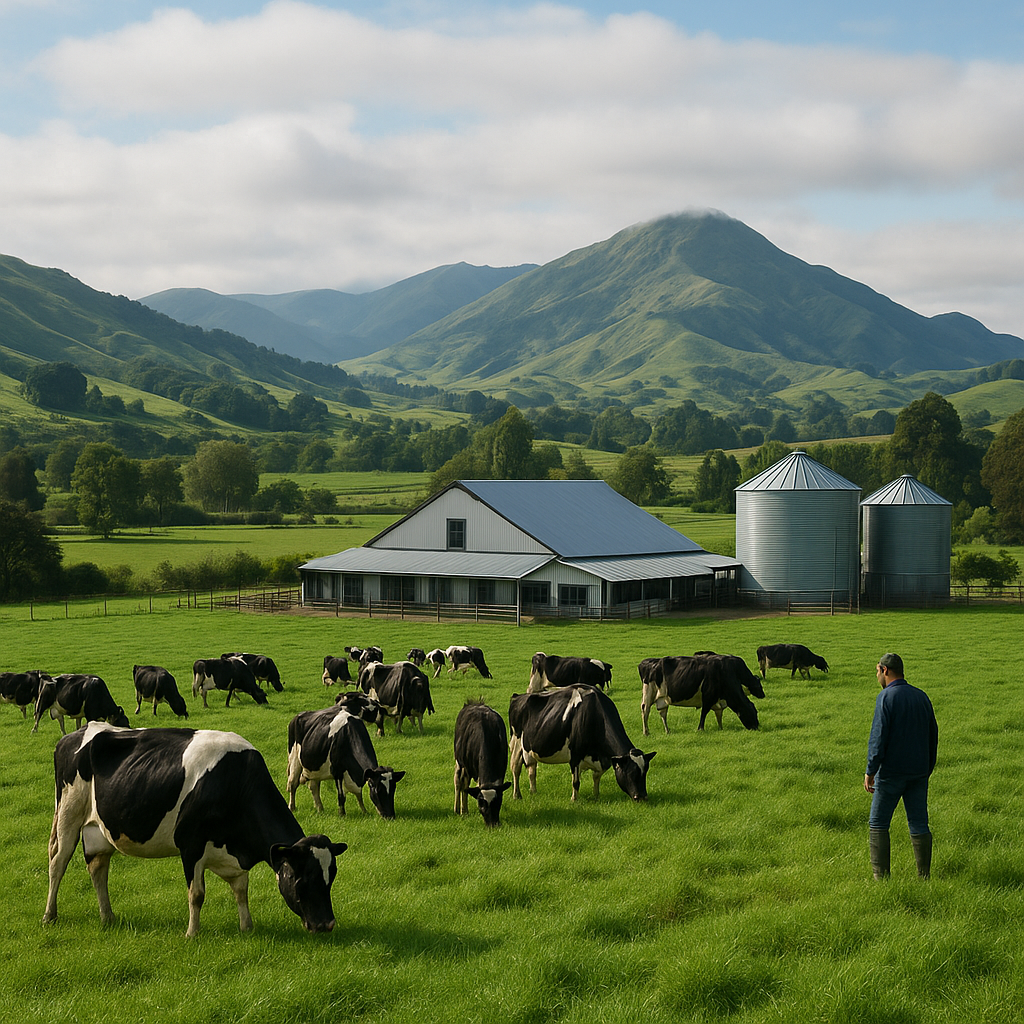
- Shared processing facilities for grains, oils, or dairy to capture value locally.
- Bulk procurement of inputs—seeds, fertilizers, and equipment—at discounted rates.
- Joint marketing platforms that brand regional specialties, from Ethiopian coffee to Peruvian quinoa.
Short Supply Chains and Direct Marketing
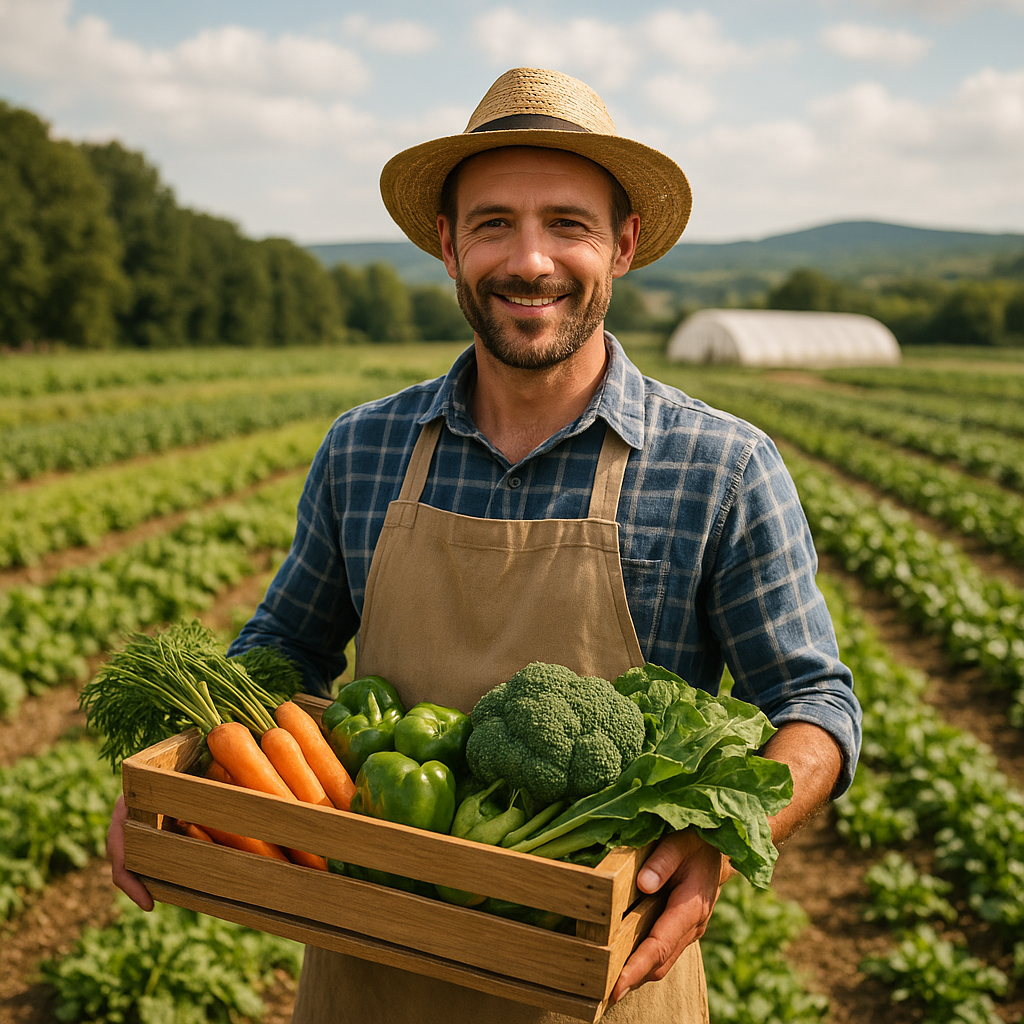
Farmers are forging direct links with urban consumers through weekly markets, community-supported agriculture (CSA), and e-commerce platforms. Benefits include:
- Higher profit margins by cutting out middlemen.
- Enhanced transparency, letting buyers trace produce from field to table.
- Dynamic feedback loops, enabling producers to adjust varieties and volumes according to demand.
Skills Training and Youth Engagement
To safeguard generational renewal on the land, programs target young people with:
- Agripreneurship incubators offering seed funding and mentorship.
- Mobile training units delivering modules on **precision agriculture** and **sustainable practices**.
- School gardens that instill a respect for soil health and seasonal cycles at an early age.
Innovative Financing Mechanisms
To bridge funding gaps, stakeholders are experimenting with:
- Blockchain-based contracts ensuring transparent, prompt payments to farmers.
- Green bonds that channel capital into regenerative agriculture projects.
- Risk-pooling insurance schemes that use weather-indexed payouts to protect smallholders.
Embracing a Dynamic Future
The intersection of **technology**, ecological stewardship, and cross-sector collaboration is reshaping how farms around the world respond to unfolding challenges. By marrying high-tech tools with time-tested wisdom, boosting resilience to **climate shocks**, and nurturing vibrant local economies, these global initiatives are laying the foundation for a more reliable and sustainable food system. In the coming decades, continued innovation—bolstered by inclusive policies and community engagement—will be crucial to ensuring that every field, no matter how remote, can thrive in an era defined by change.