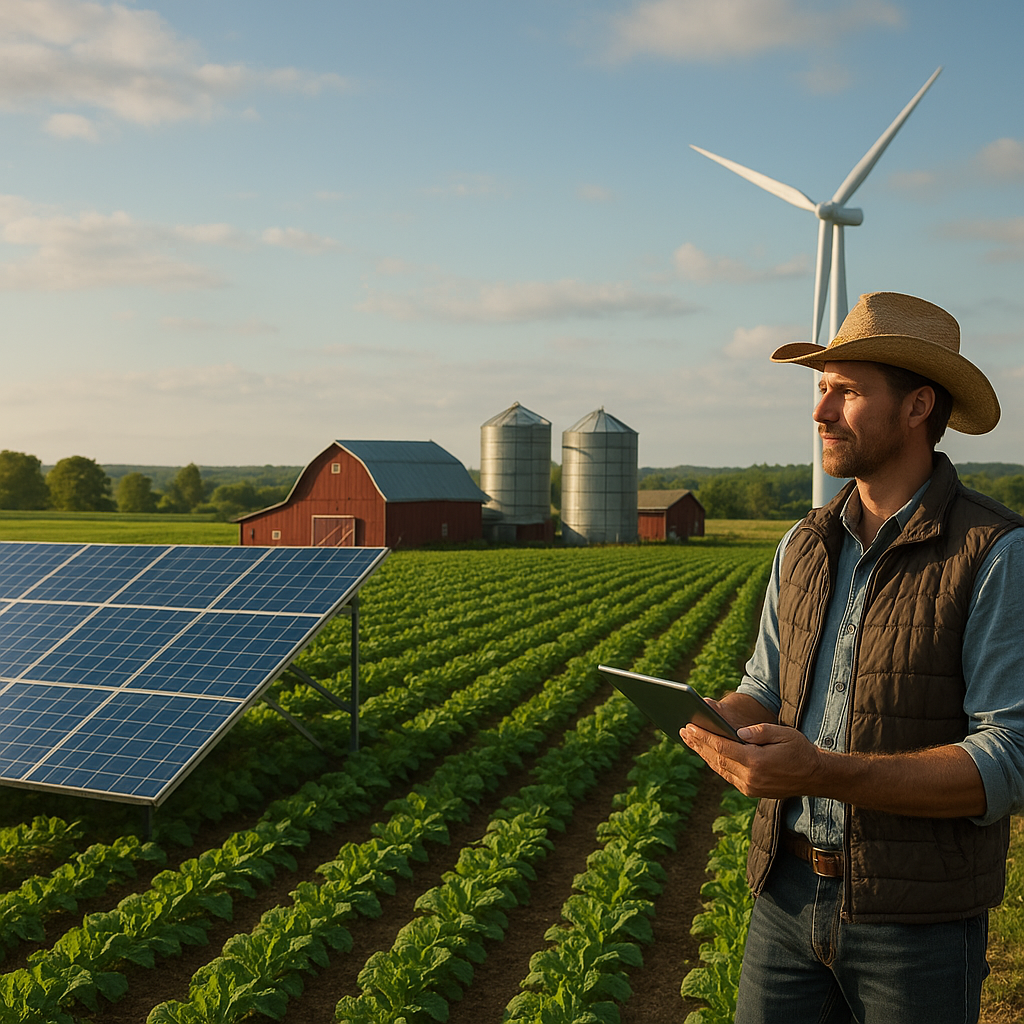
The agricultural sector is undergoing a remarkable transformation as farms around the globe harness the power of renewable energy. By integrating cutting-edge technologies and traditional practices, these operations are striving to achieve sustainability and reduce their overall carbon footprint. From sun-drenched plains in Spain to wind-swept fields in the Midwest, producers are deploying a variety of clean energy solutions to enhance energy security, bolster economic resilience, and deliver a lasting positive environmental impact.
Global Trends in Renewable Energy Adoption
Across continents, farms are investing in innovative systems that leverage the natural resources at their disposal. Among the most prevalent solutions are:
- Solar power arrays mounted on rooftops, grazing lands, or even over irrigation canals.
- On-farm biogas digesters converting livestock manure and crop residues into methane for heat and electricity.
- Wind turbines scaled to suit small family operations or large commercial fields.
- Geothermal heat pumps providing stable indoor climates for livestock and greenhouses.
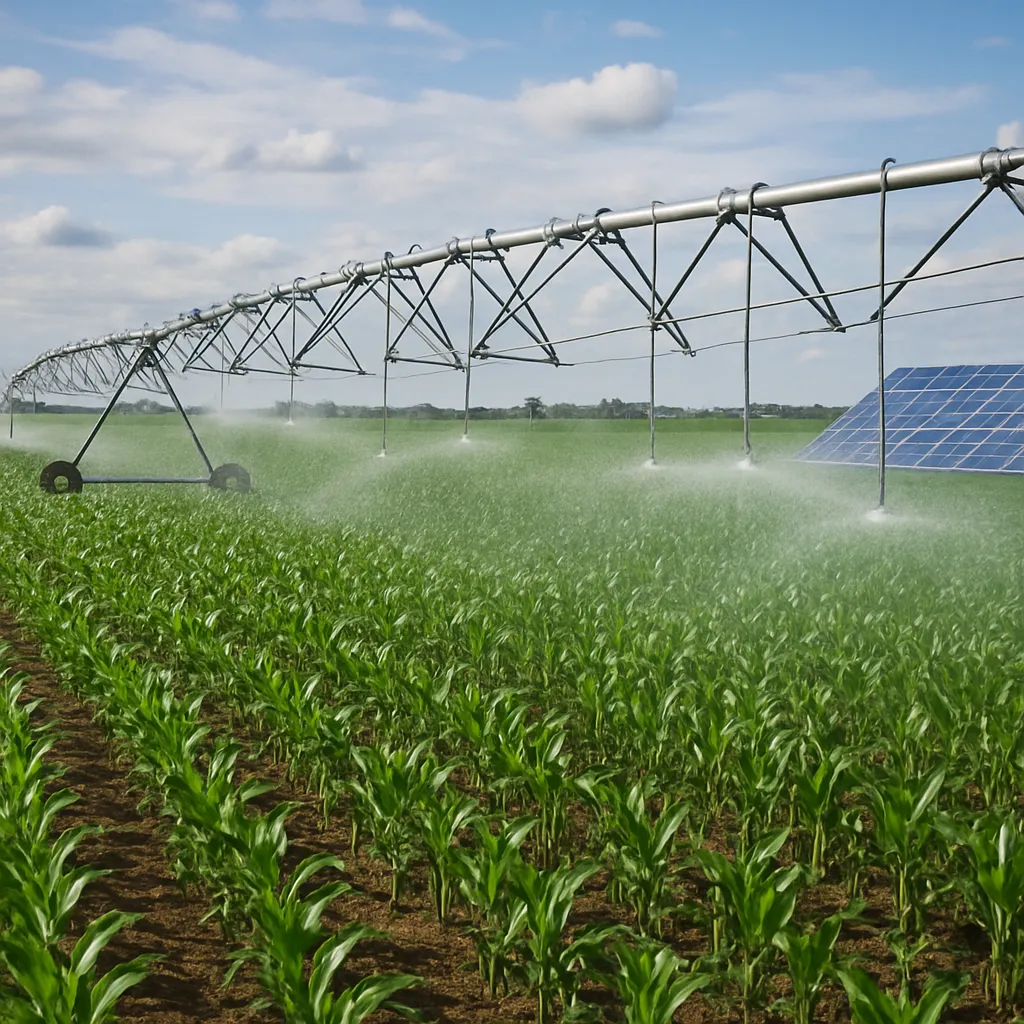
- Agrovoltaics, where photovoltaic panels and crop production coexist on the same parcel, optimizing land use.
Each region tailors its approach according to resource availability. In sun-rich areas of Australia and Africa, solar installations dominate, whereas northern European farms often combine wind and manure-based biogas systems. Developing nations are also entering the fray, leveraging microgrid technology to electrify remote farms that were previously dependent on diesel generators.
Case Studies of Innovative Farms
Solar-Powered Dairy in New Zealand
A family-owned dairy farm in the Waikato region has installed a 120 kW solar array on its milking shed roof. By pairing the system with battery storage, the herd’s daily energy demands are met even during grid outages. During peak production months, surplus electricity is sold back to the local utility, generating an additional revenue stream. The farm’s operators emphasize how this investment led to both cost savings and a visible reduction in their reliance on fossil fuels. Annual calculations indicate a drop of over 80 tonnes of CO₂ emissions since the project’s inception.
Biogas Hub in Rural India
In northern India, a cooperative of vegetable growers has pooled livestock and crop waste to fuel a centralized biogas plant. The facility processes thousands of tons of organic matter per year, producing enough biogas to power cold storage units, hence preserving perishable produce for longer periods. The innovation enhances local food security, creates jobs in plant operation and maintenance, and delivers clean fertilizer by recovering nutrient-rich digestate. The project highlights how communal approaches can drive scale and foster community engagement.
Wind-Driven Rice Farms in Southeast Asia
Many rice paddies in the Mekong Delta region have integrated low-speed wind turbines on levees and dykes. These turbines generate electricity for water pumps and processing machinery. Coupled with solar installations on pump station roofs, the hybrid setup ensures reliable irrigation. Farmers report a 50% reduction in diesel consumption for pumping operations, translating into significant financial savings and lower greenhouse gas emissions. Local cooperatives have begun training neighboring villages to replicate this model.
Overcoming Adoption Challenges
Despite the clear benefits, numerous obstacles can impede the rollout of renewable energy on farms:
- Upfront capital costs for equipment and installation.
- Limited access to financing, especially for smallholders in emerging economies.
- Technical expertise required for system design, installation, and maintenance.
- Regulatory barriers, such as zoning restrictions or grid interconnection hurdles.
- Seasonal variability in resource availability (e.g., sunlight or wind).
To address these issues, stakeholders are exploring a variety of strategies:
- Public-private partnerships offering low-interest loans, grants, or tax incentives.
- Training programs run by agricultural extension services and non-profit organizations.
- Collaborative financing models, such as crowd-investment platforms and community solar cooperatives.
- Development of modular, plug-and-play systems that simplify installation.
- Hybrid energy solutions combining different renewable sources with backup generators to ensure reliability.
By bridging financial gaps and building technical capacity, these initiatives empower farmers to transition beyond pilot projects and scale up clean energy adoption.
Economic and Environmental Benefits
The convergence of agriculture and renewables not only mitigates emissions but also strengthens the bottom line for producers:
- Cost savings: Reduced fuel purchases and lower electricity bills.
- Revenue diversification: Selling excess power, carbon credits, or digestate-based fertilizers.
- Risk mitigation: Shielding operations from volatile fossil fuel prices and supply disruptions.
- Market differentiation: Meeting growing consumer demand for eco-friendly and traceable food products.
- Long-term resilience: Future-proofing farms against climate change impacts and energy market shifts.
Farmers attest that the payback periods for many renewable installations can be as short as three to seven years, depending on local incentives and energy prices. Over two decades of operation, lifetime savings and added earnings often exceed initial investments by multiple folds.
Emerging Technologies and Future Directions
Looking ahead, several ambitious innovations promise to accelerate the green energy revolution in agriculture:
- Floating solar farms on irrigation reservoirs, reducing evaporation and maximizing panel efficiency.
- Advanced energy management software that optimizes power flows between generation, storage, and on-farm loads.
- Artificial intelligence to forecast renewable output and adjust irrigation, feeding, and processing schedules.
- Integration of biochar production into biomass energy projects, enhancing soil health and long-term carbon sequestration.
- Collaborative platforms where farmers, researchers, and private sector partners co-develop context-specific solutions.
These developments underscore an industry-wide commitment to achieving net-zero emissions while maintaining high levels of productivity. By partnering with universities, technology providers, and government agencies, farms can stay at the forefront of sustainable agriculture practices and inspire broader systemic change.