Facing unprecedented disruptions, farmers across the globe are reevaluating traditional methods to keep food systems moving. The combination of political unrest, climate change, and pandemic fallout has strained every link in the supply chain. By embracing new strategies and leveraging collective expertise, agricultural communities are transforming adversity into opportunity.
Securing Input Supplies and Maintaining Farm Operations
Access to essential inputs—seeds, fertilizers, machinery parts—has become increasingly unpredictable. Farmers are prioritizing resilience by building local stocks and forging partnerships with regional suppliers. These proactive measures aim to reduce dependency on distant manufacturers and limit delays caused by border closures or shipping backlogs.
- Diversification of seed varieties: Introducing multiple crop strains to hedge against shortages.
- Bulk procurement cooperatives: Collective purchasing lowers costs and guarantees supply.
- On-farm manufacturing: 3D printing spare parts for critical equipment to avoid downtime.
Moreover, many farmers are experimenting with alternative soil amendments—such as biochar and compost blends—to counteract fertilizer shortages. These organic inputs not only sustain yields but also enhance soil health, promoting long-term sustainability.
Innovative Distribution Models and Market Access
With traditional logistics channels strained, producers are seeking new pathways to reach consumers. Direct-to-consumer platforms have surged in popularity, allowing families to buy fresh produce without navigating complex wholesale networks. This shift benefits both growers and buyers by reducing transit time and fruit spoilage.
- Farm-to-doorstep subscription boxes: Regular deliveries of seasonal vegetables foster steady revenue.
- Pop-up roadside markets: Temporary stalls near urban centers circumvent distribution hurdles.
- Community-supported agriculture (CSA) programs: Subscribers prepay for harvest shares, boosting cash flow.
By adopting flexible delivery routes and micro-warehousing, farmers are achieving greater efficiency in last-mile logistics. Real-time tracking apps and crowd-sourced delivery networks further streamline operations, ensuring produce reaches tables while still ripe and nutritious.
Technological Adoption and Digital Transformation
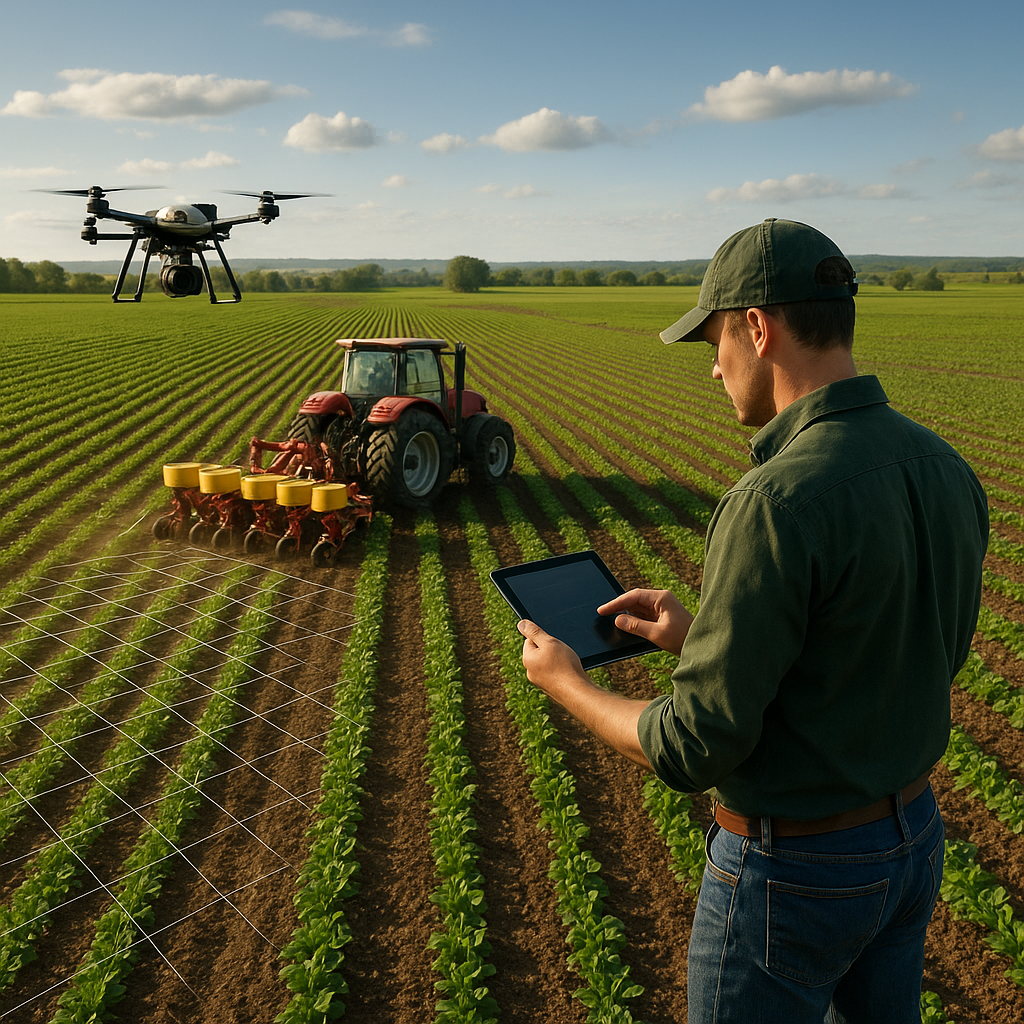
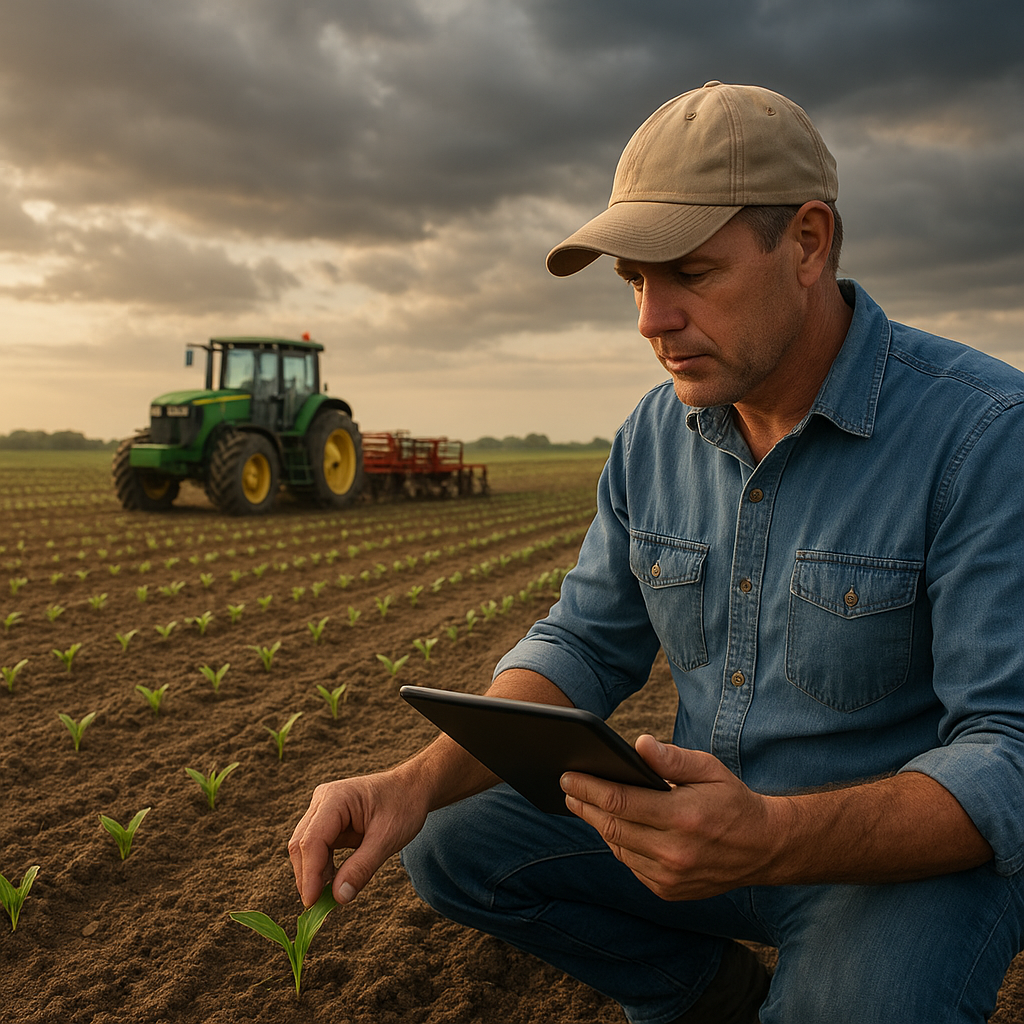
Digital tools have become indispensable in navigating supply chain volatility. From satellite imagery to blockchain-based traceability, technology empowers farmers with actionable insights and strengthens buyer confidence.
- Precision agriculture sensors: Soil moisture and nutrient data guide irrigation and fertilization plans.
- Blockchain ledgers: Immutable records of harvest dates, origin, and handling improve food safety and transparency.
- AI-driven demand forecasting: Predictive models optimize planting schedules to match market needs.
These innovations accelerate adaptation to shifting conditions, reducing waste and maximizing yields. As digital platforms gain traction, smallholder operations can compete globally, drawing on collective data pools to refine best practices.
Collaborative Networks and Policy Advocacy
Strengthening ties within and beyond farming communities has proven vital for resilience. Collaborative forums allow producers to share resources, knowledge, and risk. At the same time, coordinated advocacy efforts are pushing governments to enact reforms that support local agriculture.
- Regional consortia: Groups of farmers combine capital to invest in shared processing facilities.
- Knowledge-sharing workshops: Online seminars cover topics from pest management to export compliance.
- Lobbying coalitions: Unified voices press for reduced tariffs, improved rural infrastructure, and fair trade agreements.
Through these alliances, a spirit of collaboration emerges, enabling producers to influence policy and secure funding for critical projects. International aid agencies are also stepping in, sponsoring pilot schemes that demonstrate scalable models for developing regions.
Building Community Engagement and Consumer Trust
As supply chains evolve, consumers increasingly demand transparency and accountability. Farmers are meeting this call by inviting the public onto their operations and sharing detailed production stories.
- Virtual farm tours: Live-streamed events showcase fieldwork and harvesting processes.
- Interactive labeling: QR codes on packaging reveal weather data, fertilizer usage, and carbon footprint.
- Local tasting fairs: Pop-up events connect growers directly with chefs and shoppers.
These initiatives reinforce the bond between producers and end-users, fostering a sense of shared responsibility. By highlighting ethical labor practices and environmental stewardship, the agricultural sector reinforces its commitment to sustainability and honors consumer expectations.
Navigating Global Disruptions with Local Solutions
International crises underscore the fragility of extended supply routes. In response, many communities are turning inward, harnessing local resources and traditional knowledge.
- Rainwater harvesting systems: Reducing reliance on external irrigation supplies.
- Seed-saving networks: Preserving indigenous varieties adapted to local climates.
- Barter arrangements: Exchanging produce and services among nearby farms to meet immediate needs.
This pivot to localism demonstrates the power of innovation rooted in ancestral practices. By combining modern techniques with time-honored wisdom, farmers cultivate systems that can withstand both market shocks and environmental stressors.