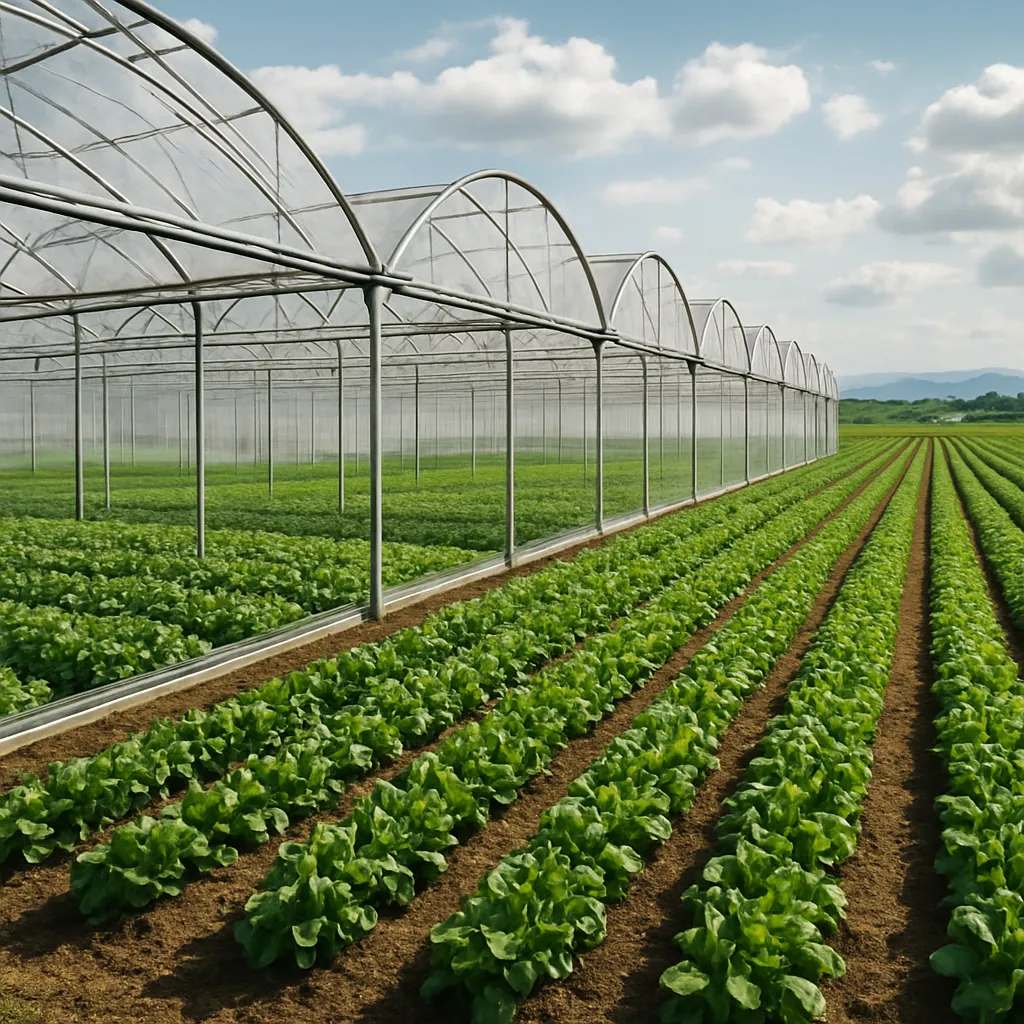
As agricultural landscapes evolve under the pressure of climate variability, shifting consumer demands, and rapid technological progress, farmers worldwide are reimagining traditional practices. By integrating digital solutions with age-old expertise, they achieve higher yields, reduce waste, and foster sustainability across fields large and small. This exploration examines how innovative producers harness cutting-edge tools and strategies, transforming farms into hubs of global connectivity and resourceful stewardship.
Embracing Precision Agriculture Technologies
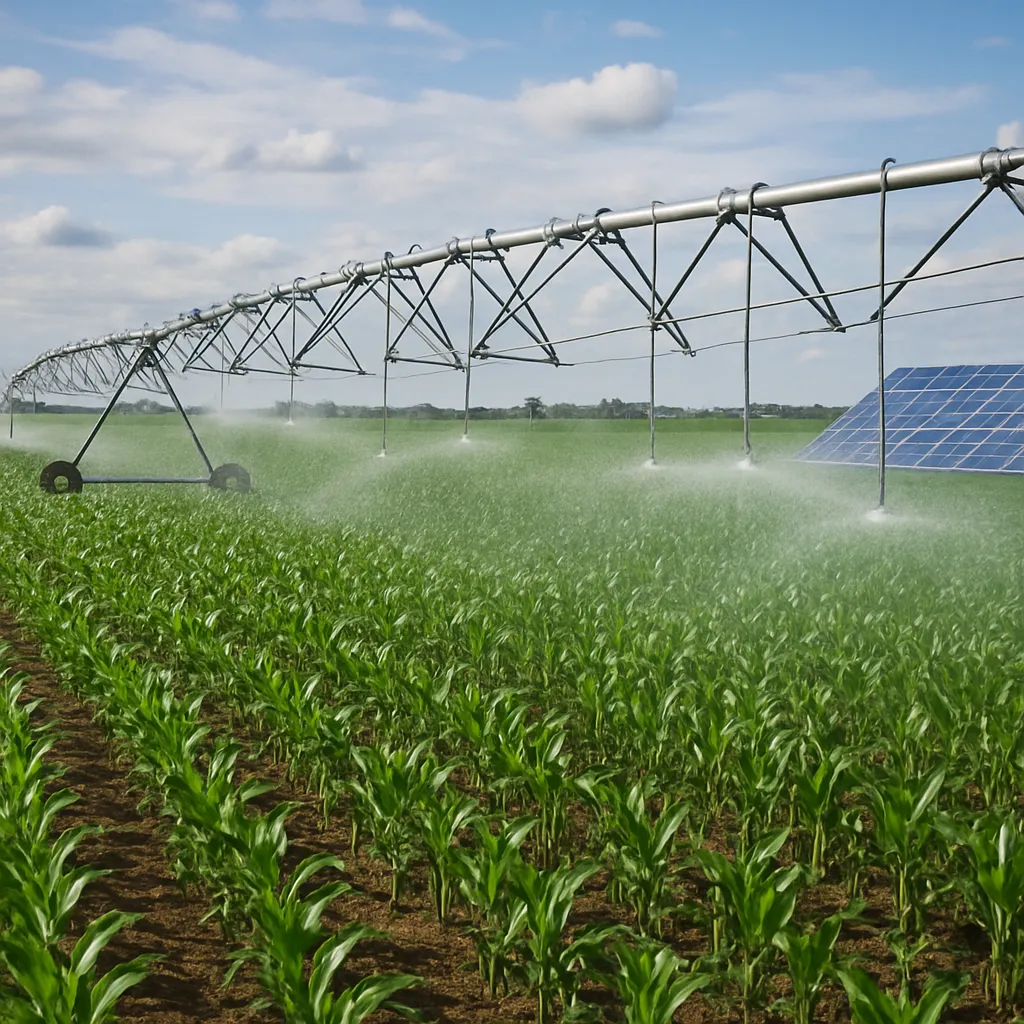
Precision agriculture has emerged as a cornerstone of modern farming, allowing growers to apply water, fertilizers, and pesticides with surgical accuracy. By leveraging GPS-guided equipment and variable-rate application systems, farmers reduce input costs while minimizing environmental impact. The shift toward data-driven interventions depends on an array of field-level instruments that collect real-time information on soil conditions, crop health, and weather patterns.
Sensor Networks and Remote Monitoring
Deploying soil moisture probes, aerial drones, and satellite imagery, producers establish a network of sensors that feed continuous updates to management platforms. These devices measure parameters such as nutrient levels, pH balance, and canopy temperature. With near-instant alerts, farmers can respond swiftly to developing stress factors, preventing yield losses:
- Soil moisture monitoring identifies over-irrigation, conserving precious water resources.
- Thermal cameras on drones detect heat stress before visible symptoms appear.
- Multispectral imaging distinguishes nutrient deficiencies by revealing subtle color variations.
Access to high-resolution data empowers growers to tailor interventions at the sub-field level, maximizing both productivity and efficiency.
Autonomous Machinery and Robotics
The advent of driverless tractors, robotic weeders, and harvest-assist drones signals a transformative era. Modern machinery navigates fields using machine vision, LIDAR, and GPS, performing tasks with unparalleled precision. Benefits include:
- Reduced labor shortages through automated planting and harvesting.
- Lower chemical usage via spot-spraying systems that target individual weeds.
- Consistent operational cycles enabled by night-time and all-weather functionality.
These advancements underscore the rise of automation as a key driver of farm scalability and resilience, even in remote or resource-constrained regions.
Data-driven Farm Management Practices
Beyond hardware, the modern farm thrives on sophisticated software solutions. Centralized dashboards aggregate field data, financial metrics, and market indicators, enabling strategic decision-making. Farmers collaborate with agronomists and data scientists to interpret complex datasets and refine planting schedules, cultivar selections, and input applications.
Big Data and Predictive Analytics
By applying machine learning algorithms to historic yield records, weather archives, and market trends, producers forecast outcomes with increasing accuracy. Predictive models help anticipate pest outbreaks, forecast water needs, and estimate optimal harvest windows. This analytics-driven approach reduces uncertainty and amplifies profit margins through smarter resource allocation.
Cloud-based Platforms and Mobile Apps
Cloud services enable real-time syncing of field observations, equipment telemetrics, and supply orders. Through intuitive mobile applications, growers can:
- Monitor crop status from any location, even while traveling between farms.
- Coordinate labor and equipment schedules to eliminate bottlenecks.
- Track input inventories and automate reorder triggers for timely deliveries.
By fostering connectivity among stakeholders—from field hands to financial officers—cloud ecosystems streamline operations and support continuous improvement cycles.
Innovative Supply Chain and Market Access Solutions
Globalization and e-commerce are reshaping how agricultural products reach consumers. Farmers are forging direct links with buyers, bypassing traditional intermediaries and capturing a greater share of retail value. Digital platforms facilitate transparent trade, ensuring product provenance and quality standards are verifiable at each stage.
Digital Marketplaces and Traceability
Online marketplaces connect smallholder cooperatives with international buyers, enabling niche crops to find premium outlets. Blockchain-based traceability systems record every transaction and handling step, offering end-to-end visibility. Such transparency elevates consumer confidence and commands higher price premiums for ethically produced goods.
Collaborative Logistics and Smart Contracts
Innovators are deploying decentralized logistics networks that optimize transportation routes, reduce spoilage, and negotiate dynamic freight rates. Smart contracts—self-executing agreements recorded on distributed ledgers—automate payments once delivery criteria are met. This reduces administrative overhead, mitigates counterparty risk, and accelerates cash flow for farmers striving to reinvest in their enterprises.
Challenges and Future Outlook
Despite remarkable progress, widespread adoption faces hurdles. High upfront costs, limited rural broadband, and gaps in technical literacy hinder some communities from fully embracing the digital revolution. Additionally, data security and privacy concerns require robust governance frameworks to ensure that sensitive farm information remains protected.
Looking ahead, the convergence of biotechnology, robotics, and artificial intelligence promises to unlock new frontiers. Gene-editing tools may yield crops resilient to pests and extreme weather, while swarm robotics could manage vast acreages with minimal human oversight. By nurturing a culture of open-source collaboration and public-private partnerships, stakeholders aim to drive equitable access to cutting-edge solutions.
Ultimately, the digital transformation of agriculture is not merely a technological upgrade—it represents a paradigm shift toward more sustainable, resilient, and responsive food systems. Farmers who embrace these tools secure not only higher yields and profits but also contribute to a future in which the global community enjoys safe, affordable, and nutrient-rich harvests.