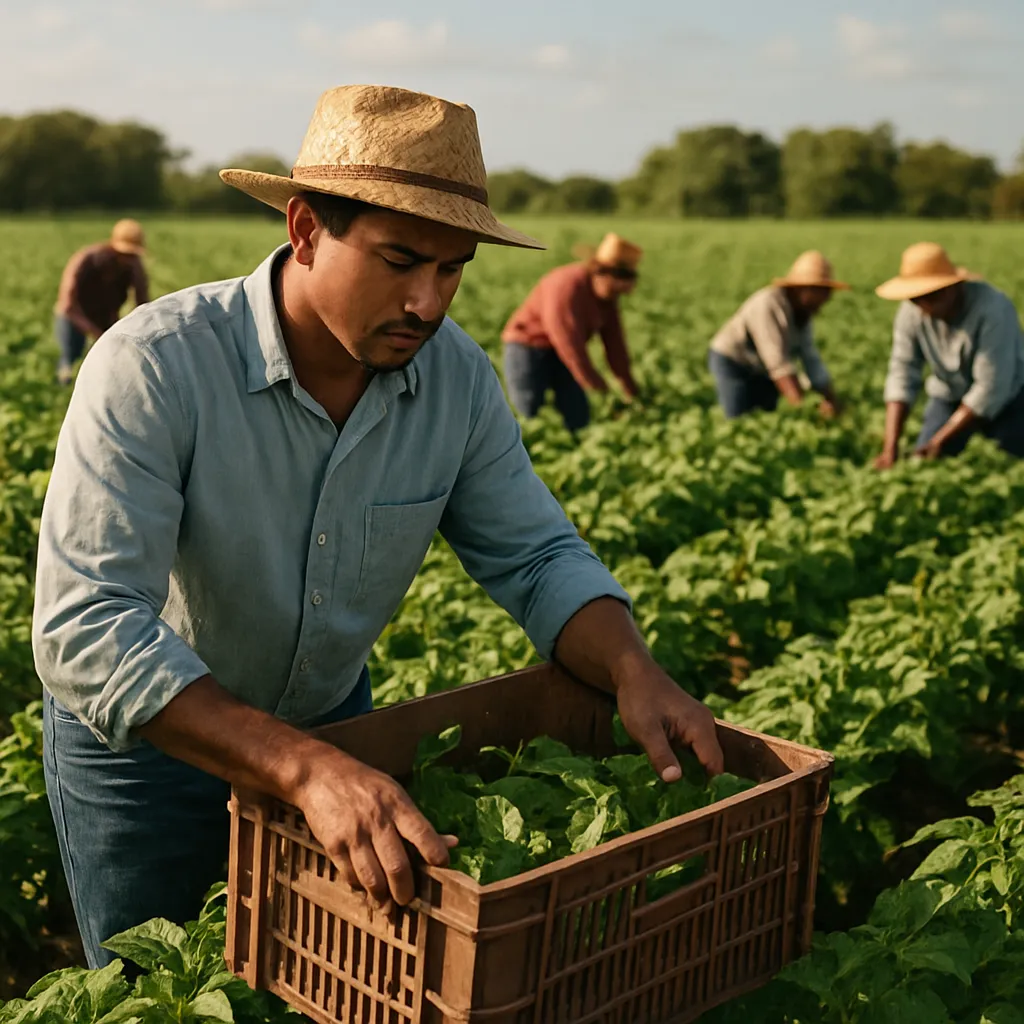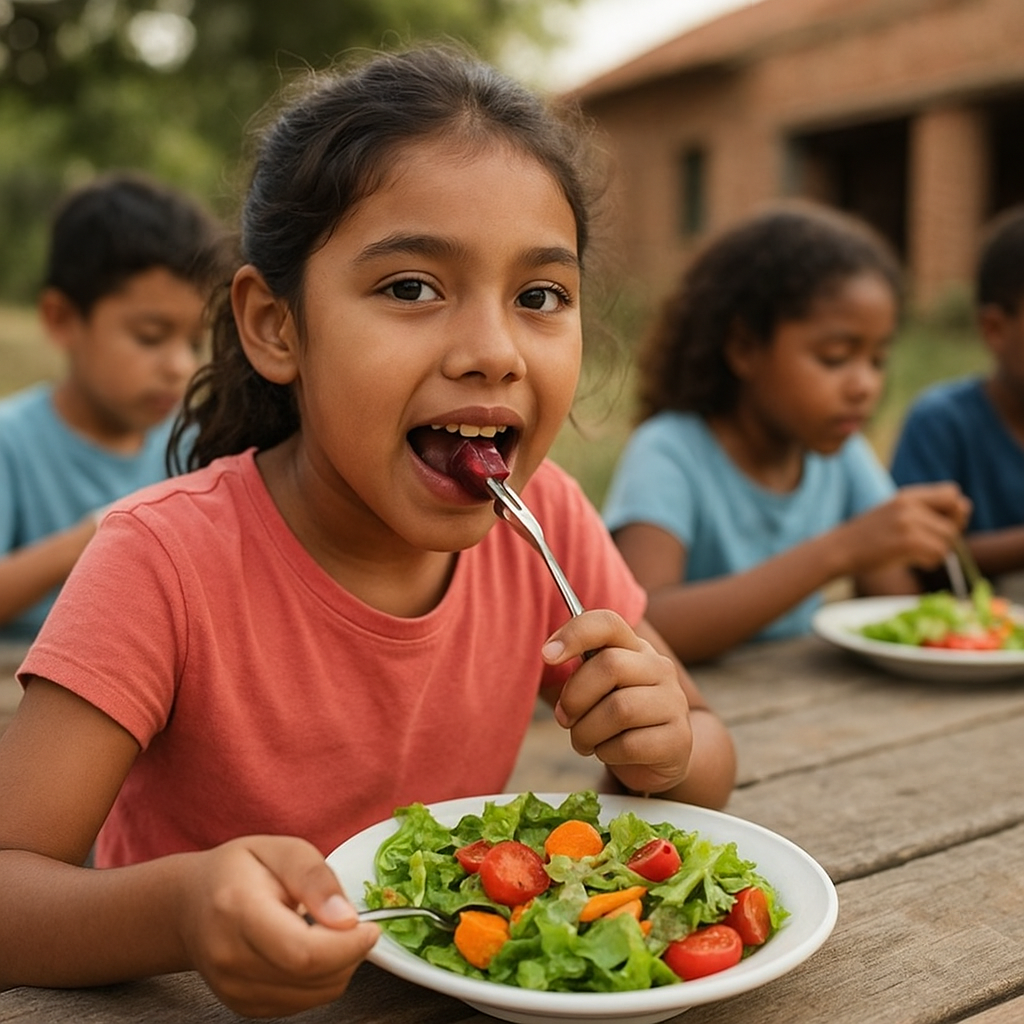
Farm-to-school programs are transforming the way children perceive food, nourishing their bodies while strengthening connections between educational institutions and local agriculture. These initiatives draw on the principles of sustainability, health, and community engagement to deliver fresh, wholesome meals directly from farms to cafeteria tables. As schools around the world adopt these models, the impact on children’s diets, food literacy, and broader social ecosystems becomes increasingly profound.
Connecting Classrooms with Local Agriculture
By integrating farm-fresh products into daily meal plans, schools foster a direct link between students and the sources of their food. This relationship builds awareness of seasonal availability, agricultural practices, and the environmental footprint of food production. Key components of this synergy include:
- Curriculum Integration: Lessons that incorporate gardening, cooking, and nutritional science allow students to see how crops grow from seed to harvest.
- Field Visits: Organized trips to local farms give hands-on experiences, reinforcing classroom theory with practical exposure.
- Farmer Collaborations: Farmers become co-educators, sharing expertise on soil health, crop rotation, and biodiversity.
Such engagements enrich learning outcomes, equipping young minds with the knowledge to make informed dietary choices while appreciating the labor and care invested in each meal. As a result, students develop a sense of ownership and pride in the food they consume.
Improving Nutrition and Dietary Habits
Access to freshly harvested fruits and vegetables significantly elevates the nutritional profile of school lunches. Farm-to-school programs emphasize whole foods over processed alternatives, leading to measurable improvements in dietary intake. Studies around the globe indicate:
- Increased consumption of vegetables by up to 50% among participating students.
- Boosted intake of essential vitamins and minerals, such as vitamin C and folate.
- Reduction in sugar-sweetened beverage sales when replaced with fruit-based beverages or infused water.
By prioritizing locally sourced produce, schools can tailor menus to the rhythms of regional harvests, introducing children to diverse tastes and textures. Seasonal variety helps prevent menu fatigue, encouraging students to explore new flavors rather than relying on comfort foods laden with additives and sodium.
Models of Implementation Across Continents
Although the core concept remains consistent, farm-to-school initiatives vary in structure depending on regional resources and cultural contexts. Common frameworks include:
Direct Procurement Programs
Many schools establish purchase agreements with local farmers, ensuring a steady supply of produce. Through these contracts, farmers gain reliable markets while schools enjoy predictable access to fresh ingredients.
On-Site Gardening and Micro-Farms
Urban and rural schools alike convert land plots into instructional gardens. Students cultivate vegetables, herbs, and even small fruit trees, learning essential agricultural techniques. These gardens often supply a portion of the cafeteria’s inventory, reinforcing the farm-to-table concept on campus.
Cooperative Networks
In regions with smaller individual farms, cooperatives aggregate produce from multiple growers. This pooling of resources lowers transportation costs, increases variety, and balances supply throughout the school year.
Community Supported Agriculture (CSA) Partnerships
Some schools collaborate with CSA programs, receiving weekly boxes of mixed produce. This model emphasizes unpredictability and seasonality, challenging menu planners to craft adaptable recipes.
Educational Benefits Beyond Nutrition
Farm-to-school programs extend far beyond improved diets; they serve as powerful tools for holistic learning. Key educational advantages include:
- Life Skills Development: Gardening teaches patience, responsibility, and teamwork.
- Mathematics and Science Applications: Measuring soil pH, tracking plant growth, and calculating crop yields integrate real-world examples into academic subjects.
- Environmental Stewardship: Students gain firsthand insight into ecosystems, composting, and waste reduction.
- Cultural Appreciation: Embracing traditional crops and recipes fosters respect for heritage and diversity.
By blending practical activities with core subjects, educators harness student curiosity and foster a lifelong interest in food systems and environmental issues. This enriched pedagogy translates into more engaged learners and, ultimately, more resilient communities.
Social and Economic Impacts on Local Communities
Investing in farm-to-school initiatives yields dividends beyond the cafeteria. When schools commit to purchasing locally, they stimulate rural economies and support small-scale farmers. Benefits include:
- Job Creation: Increased demand for local labor in planting, harvesting, and distribution.
- Market Stability: Small farmers gain dependable revenue streams, encouraging reinvestment in infrastructure and innovation.
- Community Cohesion: Shared goals unite educators, families, and growers in a common cause.
- Food Security: Strengthened local supply chains reduce reliance on long-distance shipping and vulnerability to global disruptions.
Through these ripple effects, farm-to-school programs act as catalysts for rural development, enhancing regional vitality and ensuring that agricultural knowledge remains embedded in local cultures.
Challenges and Strategies for Sustainability
Despite their promise, farm-to-school programs confront a range of obstacles. Addressing these challenges is essential for long-term success:
Funding Constraints
Limited budgets often hinder the ability to purchase premium local produce. Strategies to overcome this barrier include seeking grants, fostering public-private partnerships, and implementing sliding-scale pricing models that adjust to school district resources.
Supply Chain Logistics
Coordinating deliveries from multiple small farms can strain administrative capacities. Solutions involve leveraging cooperative distribution centers, investing in cold-storage facilities, and employing digital platforms for streamlined ordering and inventory management.
Seasonal Variability
Unpredictable weather patterns may affect crop yields. Schools can mitigate risk by diversifying supplier networks, incorporating greenhouse production, and preserving surplus through canning or freezing.
Cultural Acceptance and Taste Preferences
Some students may initially resist unfamiliar foods. Interactive cooking classes, taste tests, and recipe contests can help shift preferences and build enthusiasm for healthy options.
Looking Ahead: Scaling Impact and Innovation
As farm-to-school movements gain momentum, emerging trends promise to magnify their reach and efficacy. Innovations on the horizon include:
- Integrating digital agriculture tools, such as precision planting and real-time crop monitoring, to optimize yields.
- Expanding partnerships with food banks to donate surplus harvests and combat hunger beyond school walls.
- Implementing mobile learning apps that track students’ dietary choices and provide personalized nutrition education.
- Encouraging policy reforms that allocate dedicated funding for local procurement in public school budgets.
By harnessing modern technology and policy support, farm-to-school programs can continue to evolve, ensuring that every child has access to nourishing, culturally relevant meals while cultivating a generation of informed, empowered consumers.