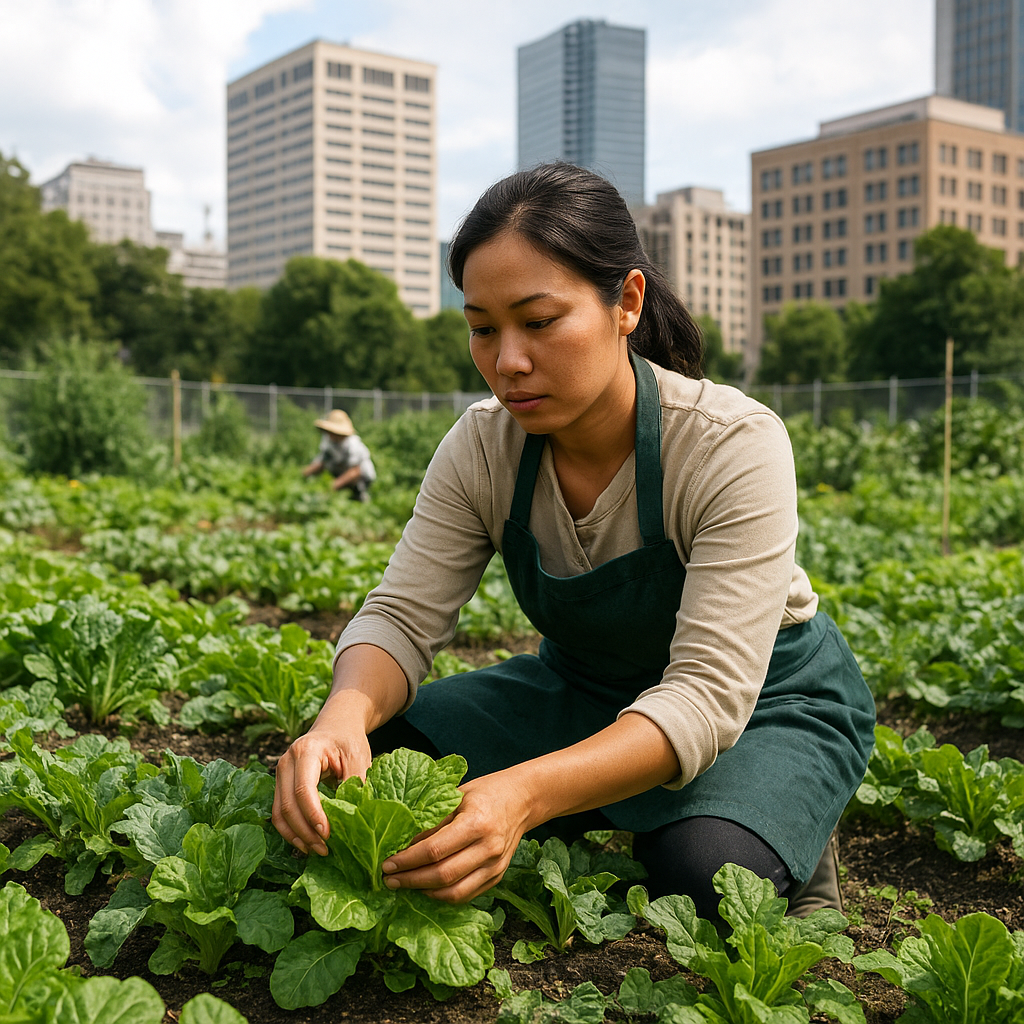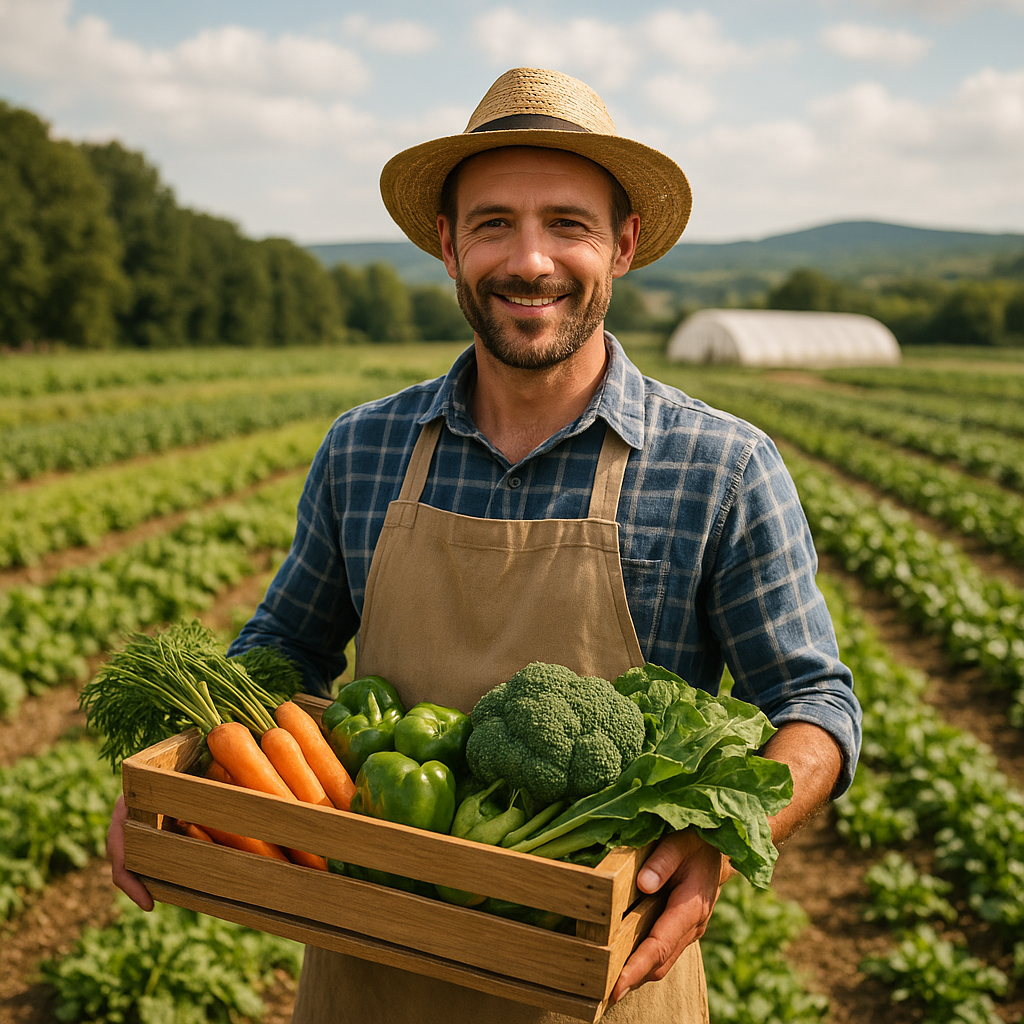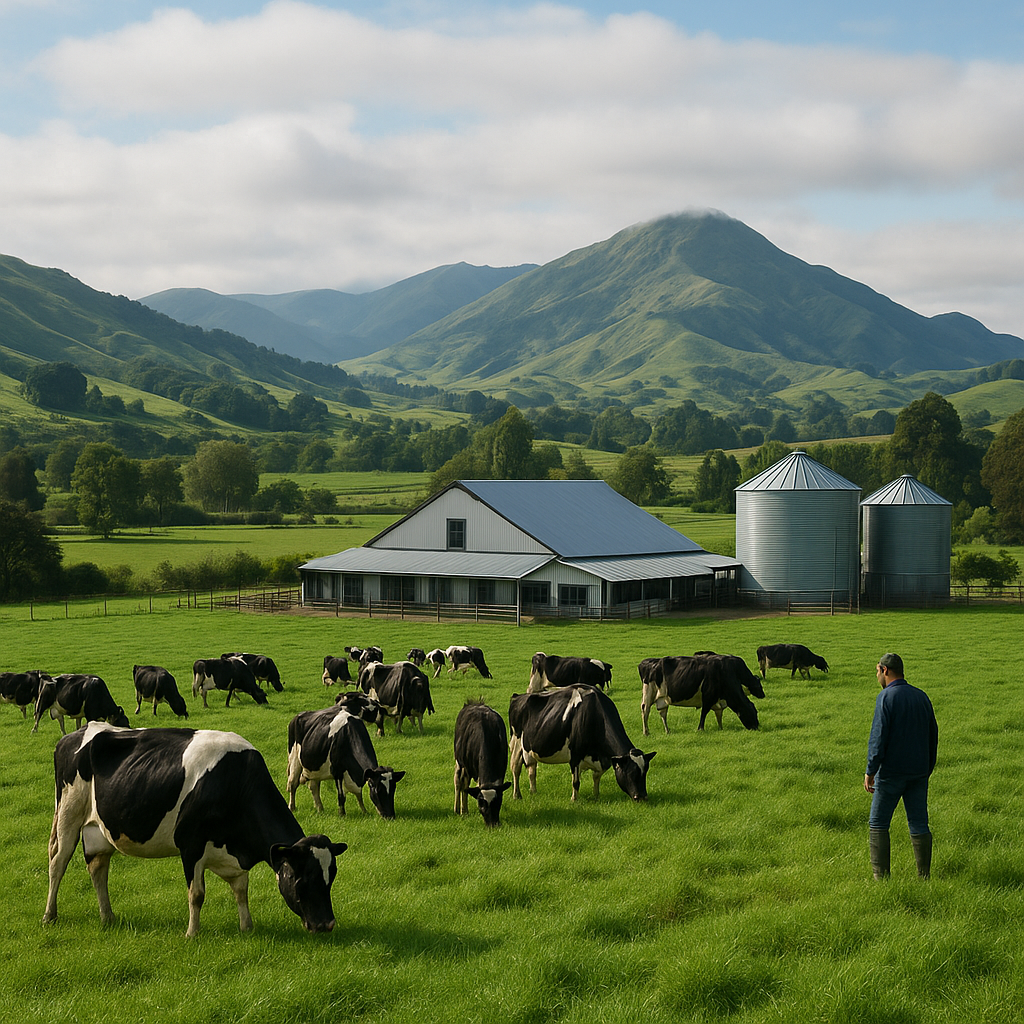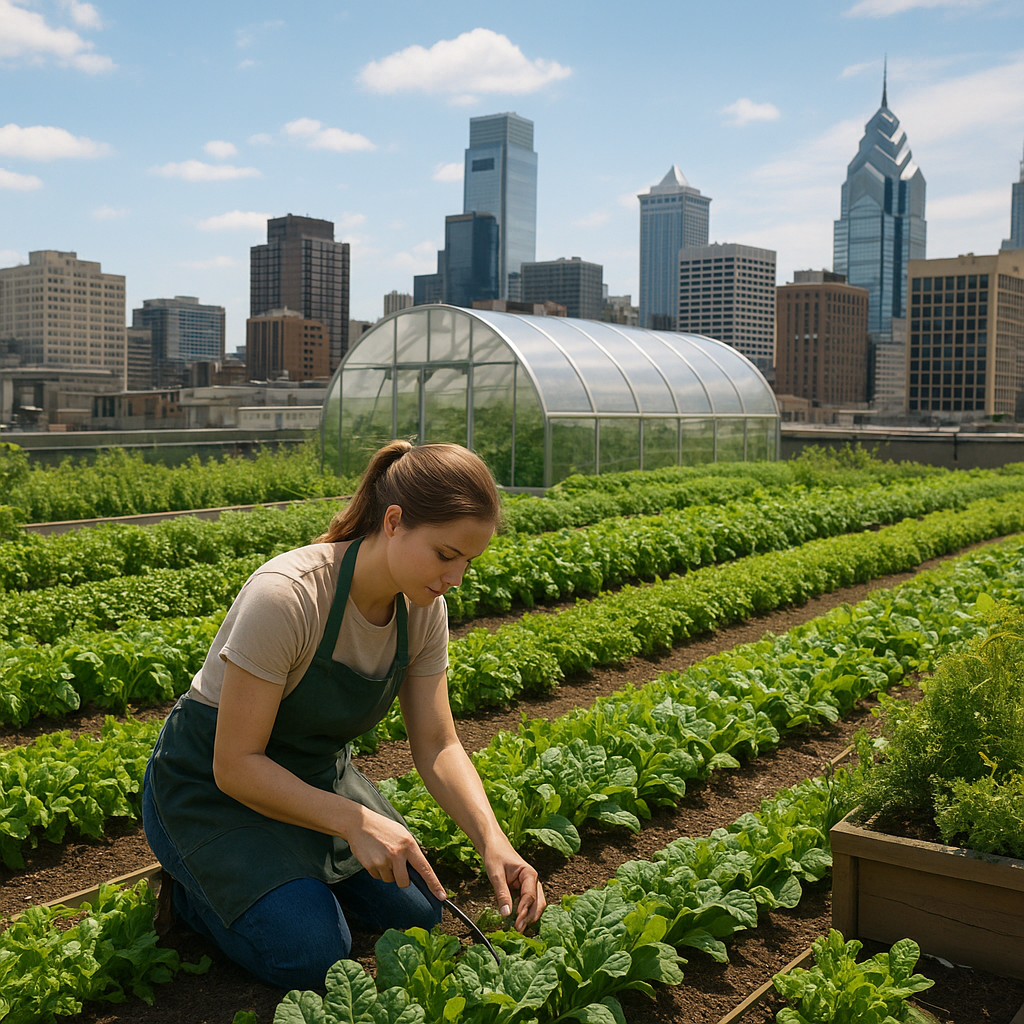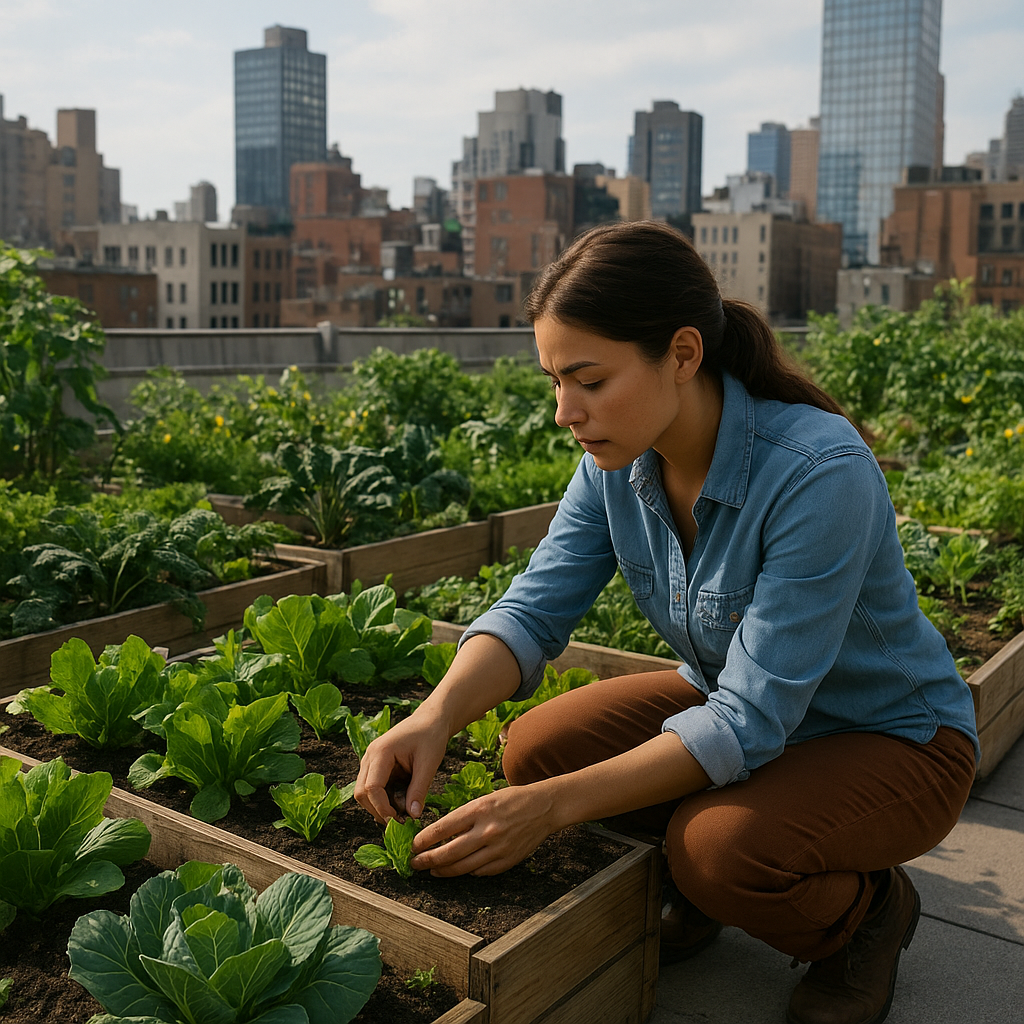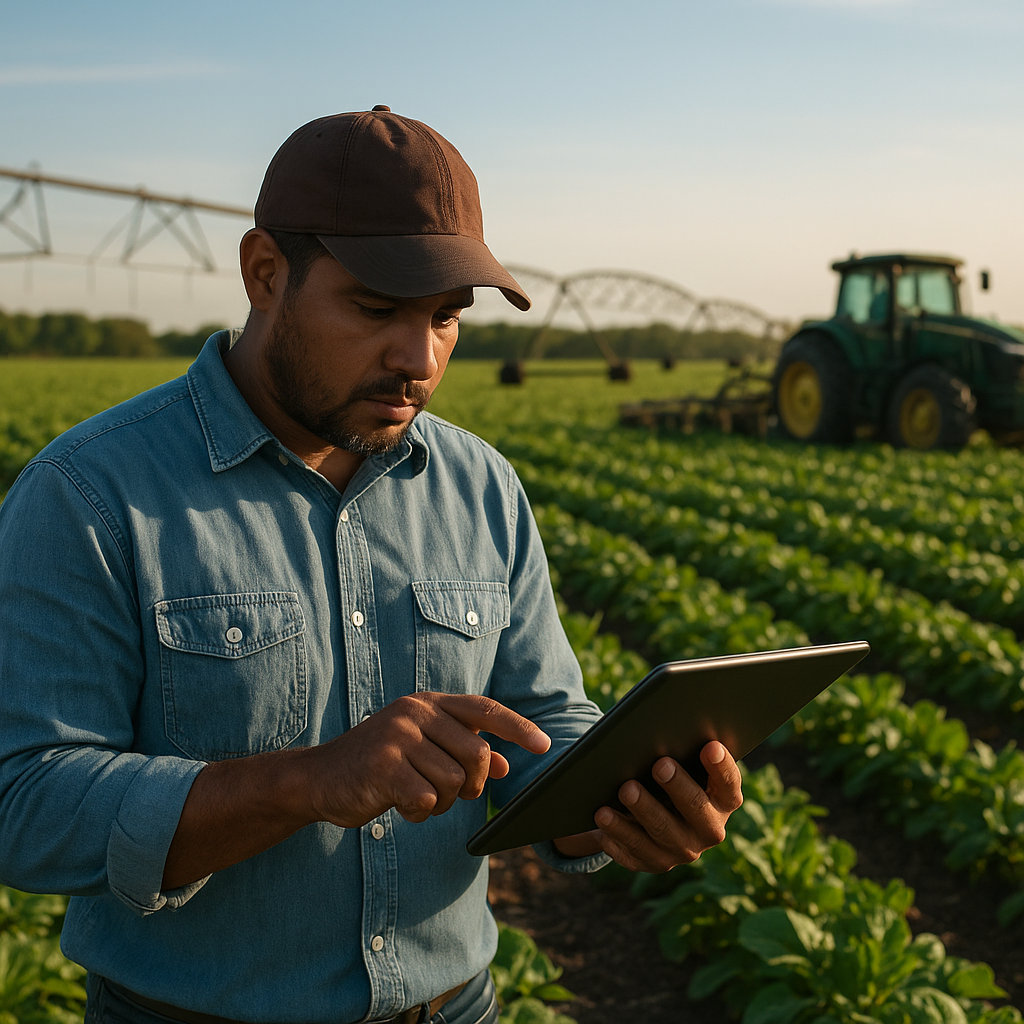
Farm workers around the globe are no longer just the hands that plant and harvest; they are becoming the architects of modern agriculture. By blending traditional expertise with emerging technologies, these individuals are shaping **innovation** in fields, orchards, and livestock operations. Their **diversity** of skills, deep-rooted knowledge of local soils and climates, and willingness to embrace **technology** are driving breakthroughs that benefit both large-scale enterprises and smallholder farms. This article explores how laborers on the ground are spearheading changes in agricultural practices, supply chains, policy frameworks, and community engagement.
Empowering the Workforce with Cutting-Edge Tools
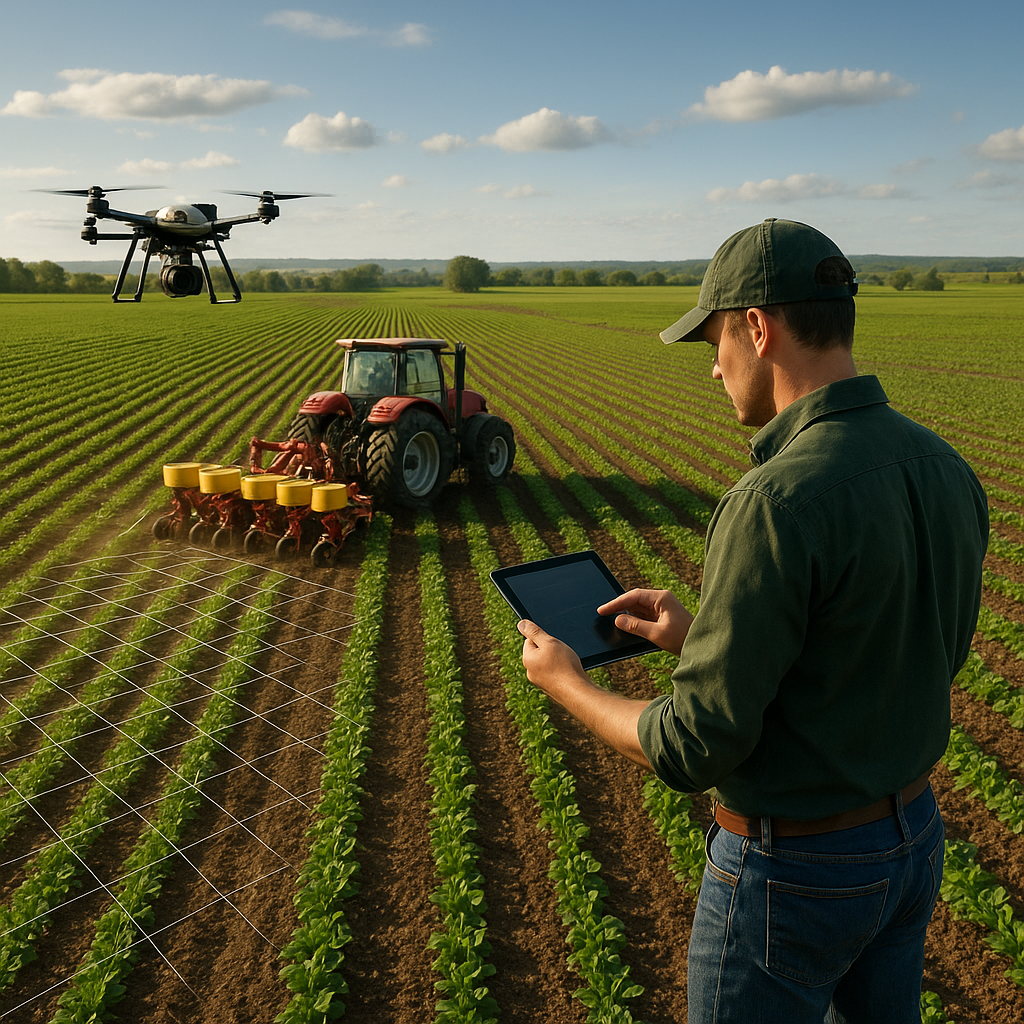
The integration of **digitalization** and mechanization has transformed the day-to-day tasks of farm workers. Smart tractors, drone-assisted spraying, and sensor-driven irrigation systems are no longer exclusive to research stations—they are deployed by laborers in vineyards, rice paddies, and vegetable fields worldwide.
From Manual to Mechanized Operations
Previously labor-intensive processes such as weeding, transplanting, and harvesting have benefited from robotics and automation. Workers now monitor fleets of autonomous machines via tablets or smartphones, allowing them to:
- Optimize planting density with GPS-guided seeding
- Use AI-driven cameras to detect pest outbreaks early
- Adjust fertilizer and water delivery in real time
By adopting these tools, farm workers enhance **efficiency**, reduce waste, and demonstrate remarkable **resilience** in the face of labor shortages.
Training and Skill Development
To operate advanced equipment, employees attend on-site workshops and online courses. Partnerships between agricultural tech firms and vocational schools equip farm laborers with coding basics, data interpretation skills, and machine maintenance techniques. This **empowerment** fosters a sense of ownership over new solutions and helps cultivate future innovators within rural communities.
Local Knowledge Meets Global Challenges
Farmers and laborers have for centuries adapted to local conditions, selecting crop varieties suited to microclimates and soils. Today, they leverage that **community** wisdom to tackle global issues:
- Climate change impacts
- Soil degradation
- Water scarcity
- Supply chain disruptions
By combining traditional methods with scientific research, they co-create resilient cropping systems.
Climate-Adaptive Cultivation
In regions facing erratic rainfall, workers implement agroforestry techniques—intercropping trees with annual crops to enhance shade, reduce erosion, and improve carbon sequestration. These practices are often refined through trial and error by local laborers, whose on-the-ground insights guide researchers to develop improved seed varieties and planting schedules.
Preserving Heritage Seeds
Smallholder communities maintain seed banks of heirloom grains and legumes. Through collaborative networks, they share genetic material across continents, ensuring that **diversity** remains robust in the face of unforeseen pests and diseases. Such conservation efforts hinge on the meticulous care of farmers and laborers who understand seed dormancy, planting cycles, and cross-pollination risks.
Building Sustainable Supply Chains
Agricultural workers are increasingly pivotal in establishing transparent, ethical value chains. Consumers demand traceability—from seed origin to supermarket shelves—and farm laborers are key to recording each step.
Blockchain and Traceability
Using blockchain-enabled platforms, laborers scan QR codes at harvest points, logging details like harvest date, field location, and applied treatments. This real-time data ensures:
- Guaranteed produce authenticity
- Fair wage verification
- Reduced risk of food fraud
These systems also protect workers’ rights by linking each batch to labor contracts and safety certifications, fostering greater **collaboration** between producers, distributors, and retailers.
Cooperatives and Fair Trade
In many regions, farm workers form cooperatives to negotiate better prices, access microloans, and invest collectively in processing facilities. These organizations often establish direct channels to global markets, bypassing middlemen and ensuring that a larger share of profits returns to the communities where crops are grown. Solidarity-driven models underscore the importance of **sustainability**—economically, socially, and environmentally.
Inclusive Policies and Future Pathways
Public and private stakeholders are recognizing that empowering farm workers not only raises living standards but also accelerates agricultural innovation. Policies now aim to integrate labor voices into decision-making processes at every level.
Regulatory Frameworks for Worker-Led Innovation
Governments in several countries have launched grants and tax incentives for worker-driven pilot projects. These programs encourage laborers to propose on-farm trials of novel technologies, from biocontrol agents to renewable energy installations. Successful trials can scale up to national programs, effectively crowdsourcing the R&D process.
Education and Community Hubs
A network of rural innovation hubs has emerged, where farm workers gather to share best practices, attend expert lectures, and access testing labs. These centers act as incubators for local entrepreneurs, bridging the gap between community needs and corporate research. By fostering **empowerment** and cross-sector **collaboration**, they pave the way for next-generation agricultural breakthroughs.
As the global population continues to grow and environmental pressures intensify, the role of farm workers will remain central to securing a resilient food system. Their hands-on expertise, coupled with an eagerness to adopt new tools and methods, creates a powerful synergy—one that promises to transform agriculture for decades to come.