Fair trade farming has emerged as a critical mechanism for fostering equity across global agricultural supply chains, empowering smallholder producers and marginalized communities. By adhering to rigorous standards and engaging in transparent partnerships, fair trade cooperatives and organizations are reshaping traditional models of agribusiness. This article explores how fair trade farming models promote economic justice, support environmental sustainability, and drive social progress on farms spanning continents.
Defining Fair Trade Farming Models
At its core, fair trade farming is built upon a set of principles designed to ensure that producers receive a fair price for their products, work under safe conditions, and benefit from long-term development initiatives. These principles typically include:
- Fair minimum pricing and transparency in transactions
- Community development premiums reinvested in local infrastructure
- Respect for labor rights and prohibition of child or forced labor
- Environmental stewardship through organic or integrated pest management practices
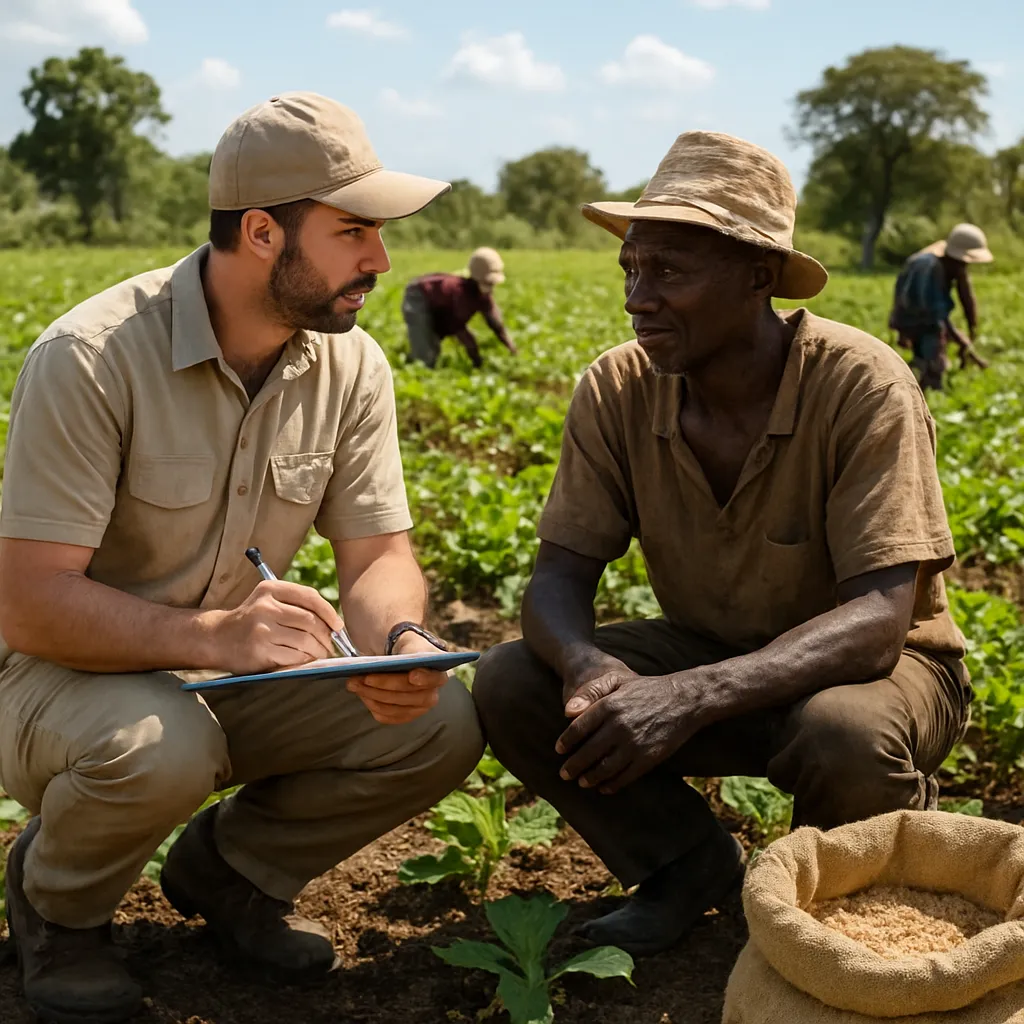
- Capacity-building programs to enhance producers’ skills and market access
Through certification schemes such as Fairtrade International, Rainforest Alliance, and UTZ, farmers gain access to global markets that recognize and reward ethical production. These labels serve as guarantees to consumers that the goods—ranging from coffee and cocoa to fruits and spices—adhere to robust social, economic, and ecological criteria.
Social and Economic Benefits for Producers
One of the most profound impacts of fair trade farming is the direct enhancement of producers’ livelihoods. By receiving a guaranteed minimum price—often above market rates—farmers can invest in crop diversification, infrastructure improvements, and school fees for their children. Moreover, the additional fair trade premium funds community projects such as:
- Construction of clean water systems
- Establishment of healthcare clinics
- Workshops on financial literacy and business planning
- Formation of women’s cooperatives to foster gender equality
These investments bolster the overall resilience of farming communities. Smallholders, who often face volatile commodity prices, gain a cushion against market shocks, enabling them to plan for the future with greater confidence. Furthermore, the emphasis on democratic organization within producer groups cultivates a sense of empowerment and collective decision-making. Members elect representatives, vote on premium allocation, and hold leadership accountable, thereby promoting social cohesion and governance skills at the grassroots level.
Environmental Sustainability and Resilience
Fair trade farming places a high priority on environmental conservation, recognizing that healthy ecosystems are indispensable for long-term agricultural productivity. Practices encouraged under many fair trade standards include:
- Agroforestry systems combining trees with food or cash crops
- Organic soil management to reduce reliance on synthetic fertilizers
- Water conservation techniques such as drip irrigation and mulching
- Natural pest control using beneficial insects and crop rotation
By adopting these strategies, farmers not only reduce their ecological footprint but also **build** greater resilience against climate variability. Shade-grown coffee systems, for instance, provide habitats for wildlife and maintain soil moisture, while diversified cropping reduces the risk of total crop failure due to pests or extreme weather events. Such ecological safeguards are increasingly vital as small-scale producers grapple with unpredictable rainfall patterns and rising temperatures.
Case Studies from Around the World
Latin America: Coffee Cooperatives in Colombia
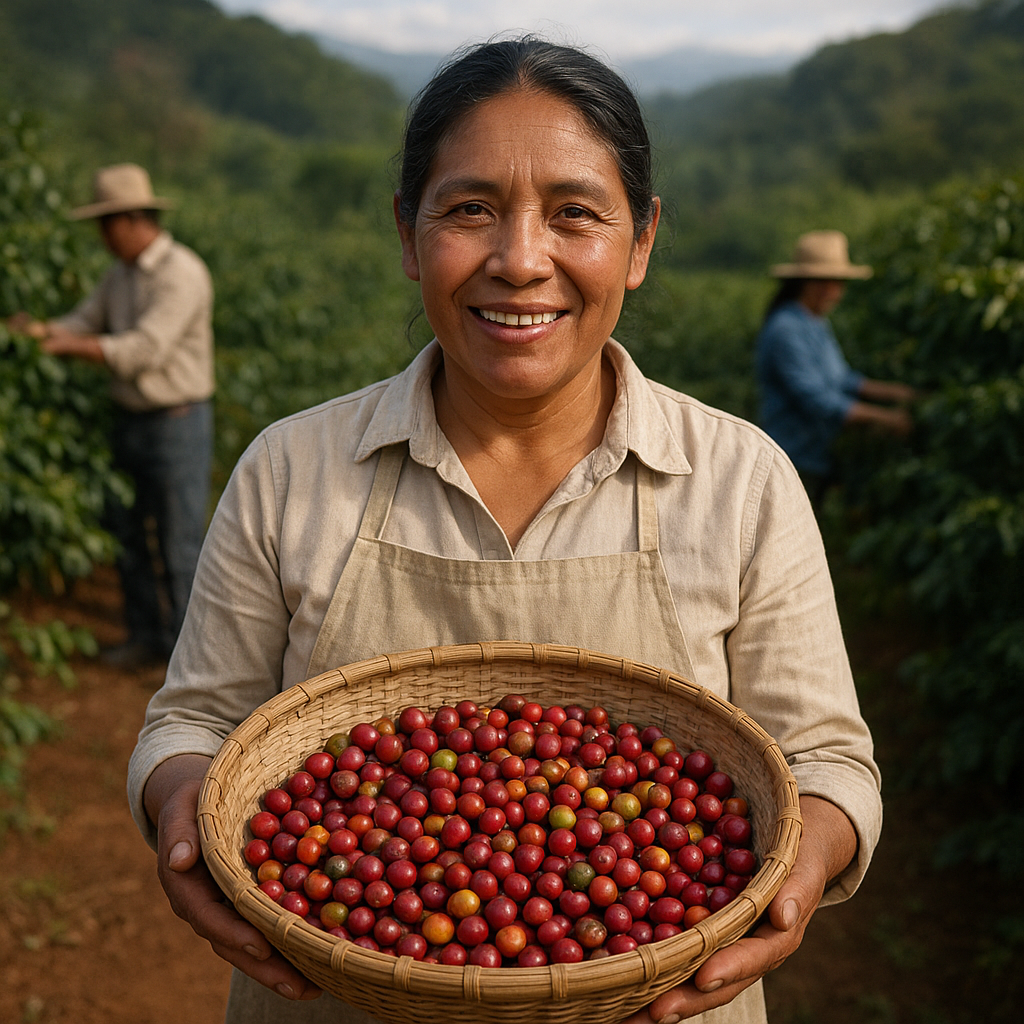
In the highlands of Colombia, hundreds of smallholder coffee farmers have organized into fair trade cooperatives that export high-grade arabica beans to specialty markets. Through certification, these producers secure higher prices and access technical assistance to improve fermentation techniques and cupping quality. A notable success story is the Federación Campesina del Cauca, which has used fair trade premiums to establish a centralized milling facility, reducing post-harvest losses and increasing overall bean quality.
Africa: Cocoa Production in Ghana
Ghanaian cocoa farmers have long faced challenges related to price volatility and deforestation. Fair trade models have introduced agroforestry schemes that interplant cocoa with native timber trees, providing both shade and alternative income sources from sustainable timber sales. Community funds financed by fair trade certifications have built schools and offered scholarships, contributing to higher literacy rates among the children of cocoa growers.
Asia-Pacific: Tea Gardens in India and Sri Lanka
In the tea estates of Assam and the highlands of Sri Lanka, fair trade initiatives have elevated workers’ wages and established transparent wage-setting protocols. Women’s councils, financed through fair trade premiums, conduct vocational training and microcredit programs, enabling female workers to launch small enterprises in tailoring and handicrafts. These diversified income streams foster economic innovation beyond tea production.
Challenges and Opportunities
While fair trade farming models have demonstrable benefits, they also face hurdles that must be addressed to amplify their impact:
- Scaling certification for small, remote farms with limited administrative capacity
- Balancing ecological stringency with affordability for producers
- Enhancing consumer awareness in saturated markets
- Mitigating certification costs that can burden low-income cooperatives
Technological advancements, such as blockchain for supply-chain transparency, offer promising avenues to streamline auditing and reduce compliance expenses. E-commerce platforms tailored to ethical consumers can broaden market reach, while strategic partnerships with governments and NGOs may subsidize capacity-building programs. Continued research into region-specific best practices will help tailor certification criteria that respect local contexts and crop varieties.
Policy Implications and Future Directions
National and international policy frameworks play an instrumental role in scaling fair trade farming. Subsidies or tax incentives for certified producers can lower barriers to entry, while public procurement policies—such as mandating a percentage of fair trade products in government cafeterias—can stimulate demand. Additionally, integrating fair trade standards into climate finance instruments supports both adaptation and mitigation efforts.
Looking ahead, fair trade farming must evolve to address emerging challenges such as digital inclusion, gender parity, and youth engagement. By harnessing mobile technologies for financial services and market information, younger farmers can partake more fully in cooperative governance. Equally important is fostering inclusive leadership pathways that ensure women and minority groups have equal representation in decision-making bodies.
Conclusion
Fair trade farming models represent a powerful strategy for advancing global economic equity. By harmonizing fair compensation with environmental safeguards and community development, these models transform agricultural value chains into vehicles for sustainable prosperity. As stakeholders across the public and private sectors deepen their commitment, fair trade farming stands poised to deliver lasting benefits for millions of rural producers worldwide.