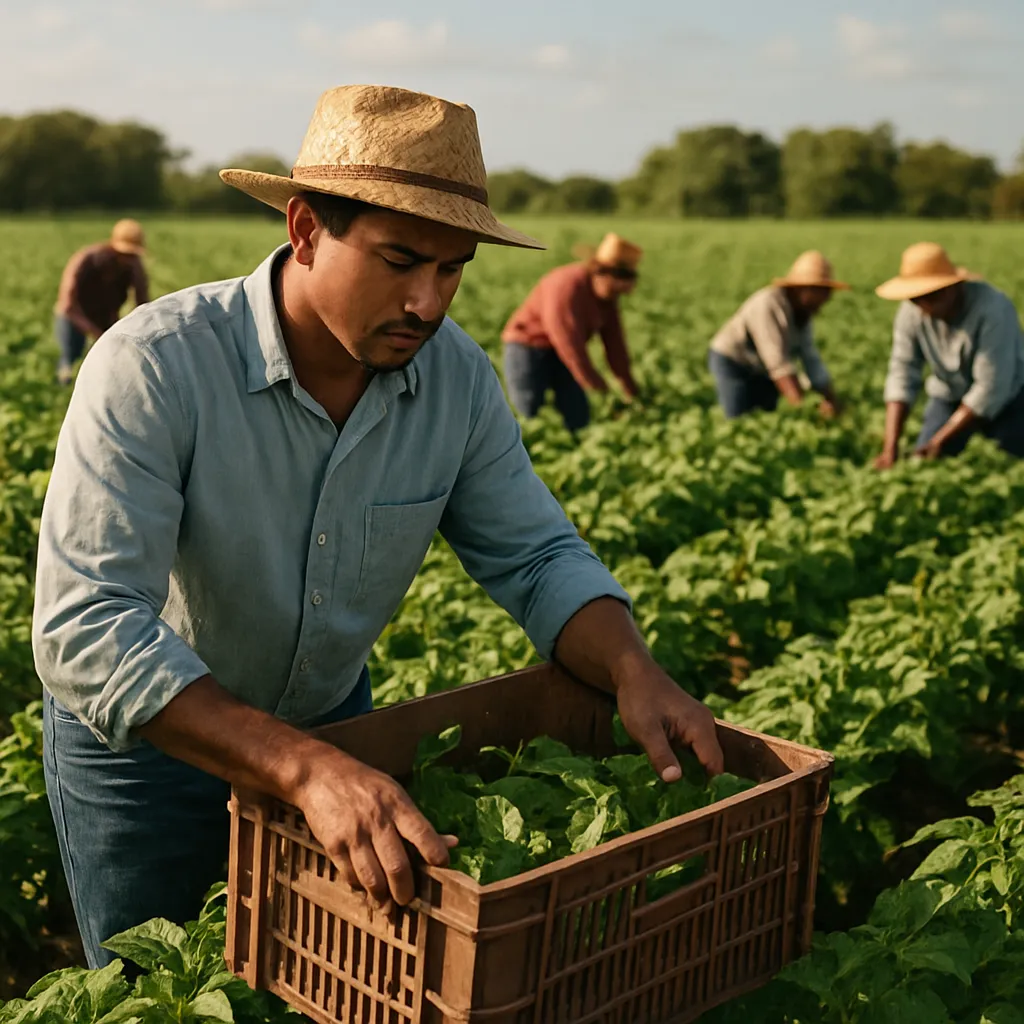
Community-Supported Agriculture (CSA) has emerged as a transformative force in the realm of global food systems, forging direct partnerships between farmers and consumers. By sharing risks, rewards, and responsibilities, CSA initiatives have redefined how fresh produce reaches households, promoting transparency, trust, and a deeper appreciation for the source of our food. Through innovative models and a focus on local engagement, CSA is shaping the future of farming worldwide.
The Rise of CSA Around the Globe
Since its origins in Japan and Europe in the mid-20th century, CSA has grown into a worldwide phenomenon, adapting to diverse cultures and climates. In North America, CSA began gaining traction in the 1980s as families sought alternatives to supermarket chains. Today, there are thousands of CSA programs in the United States and Canada, each offering seasonal boxes of vegetables, fruits, and sometimes dairy or meat products. In Europe, countries such as France, Germany, and the United Kingdom have witnessed a surge in CSA memberships due to consumer demand for traceable and ethically produced goods.
In Asia and Africa, CSA initiatives are often intertwined with social goals—addressing food security, poverty alleviation, and rural development. In India, smallholder farmers collaborate with urban consumer groups to form CSAs that provide fair prices and technical support. Similarly, in Kenya, CSA cooperatives empower women farmers to cultivate organic produce, enhancing household income and community well-being. Across Latin America, from Brazil’s agroecology networks to Mexico’s urban gardening collectives, CSA serves as a pathway for sustainable rural livelihoods.
Throughout these regions, the guiding principle remains consistent: fostering direct relationships that build community bonds, encourage shared stewardship, and promote equitable access to fresh, local food. This global tapestry of CSA experiments underscores the adaptability of the model to different socio-economic and ecological contexts.
Models and Approaches in Different Regions
CSA structures vary widely, reflecting local priorities and resources. Common frameworks include subscription-based shares, direct prepayment for seasonal harvests, and volunteer-supported farms where consumers work alongside producers. Some CSAs offer customizable options, allowing members to select specific items or receive mixed boxes every week.
- Box Subscription Model: Most prevalent in North America and Europe, subscribers pay upfront for a season, receiving weekly or biweekly boxes filled with what’s in season. This approach guarantees revenue for farmers and predictable supply for members.
- Work-Share Programs: Popular in Australia and parts of Asia, these CSAs ask members to contribute labor hours on the farm. In return, they receive produce and gain hands-on farming experience.
- Community Gardens and Urban CSAs: Found in metropolitan areas worldwide, these initiatives allocate city plots where members grow crops collectively, blending social interaction with food production.
- Cooperative Wholesale CSAs: Emerging in Latin America, these schemes aggregate products from multiple small farms, offering a diverse box that includes grains, fruits, meats, dairy, and artisanal goods.
These varied approaches highlight innovation in tailoring CSA to meet local demands—be it combating urban food deserts, revitalizing rural economies, or fostering environmental stewardship.
Economic and Environmental Impacts
By cutting out intermediaries, CSA strengthens the farmer-consumer link, improving financial viability for small-scale producers. Members often pay 10–30% above market rates in exchange for superior quality and ethical assurance. This premium can be reinvested in farm infrastructure, sustainable practices, and fair wages for laborers.
CSAs also champion sustainability through reduced food miles, minimized packaging, and organic or regenerative practices. Many CSA farms utilize cover cropping, composting, and water conservation methods to preserve soil health and biodiversity. By aligning production with seasonal cycles, they lower carbon footprints and foster resilience against climate instability.
Moreover, CSA participation can enhance local economy by keeping consumer spending within the community. Farmers may hire local workers, partner with nearby artisans, or collaborate with regional markets. This network effect stimulates ancillary businesses—bakery, dairy, or handcrafted goods—creating a ripple of economic opportunity.
Social Benefits and Nutritional Advantages
Beyond financial and ecological gains, CSA contributes to improved public health. Subscribers report increased intake of fresh fruits and vegetables, leading to better overall diet quality. Children involved in CSA programs often show heightened awareness of food origins and develop long-term healthy eating habits.
Educational components, such as farm visits, workshops, and cooking demonstrations, transform CSA into a platform for food literacy. Participants learn about planting cycles, soil management, and culinary uses of diverse crops. This depth of engagement fosters a culture where food is valued not just as fuel but as a nexus of cultural tradition, environmental care, and human connection.
In urban settings, CSA can mitigate social isolation by creating gathering spaces where members share harvests, recipes, and stories. Such interactions nurture mutual respect and collective purpose—a testament to CSA’s role in reinforcing resilience within communities.
Challenges and Future Directions
Despite its promise, CSA faces obstacles that vary by region. In developed countries, market saturation and logistical hurdles—such as distribution costs and labor shortages—can limit scalability. Conversely, in developing nations, issues like land tenure insecurity, lack of access to credit, and inadequate policy support hinder CSA proliferation.
To address these challenges, stakeholders are exploring hybrid models that integrate digital tools. Online platforms now enable members to manage subscriptions, track deliveries, and communicate with farmers in real time. Some CSAs are adopting blockchain technology to enhance traceability and build consumer trust. Collaborations between NGOs, governments, and universities aim to provide technical training, financial assistance, and supportive legislation.
Looking ahead, the future of CSA hinges on cross-sector partnerships and adaptive strategies. By embracing technological distribution solutions, promoting inclusive governance, and fostering innovation in crop diversification, CSA networks can overcome current constraints. Emphasizing regenerative practices will ensure that soil health and biodiversity remain at the forefront of farm operations, safeguarding the environment for generations to come.
Global Networking and Knowledge Exchange
International coalitions, such as the Agroecology Coalition and various CSA federations, play a pivotal role in disseminating best practices. Conferences, online forums, and exchange programs encourage dialogue between seasoned farmers and newcomers, accelerating the adoption of proven techniques in agriculture.