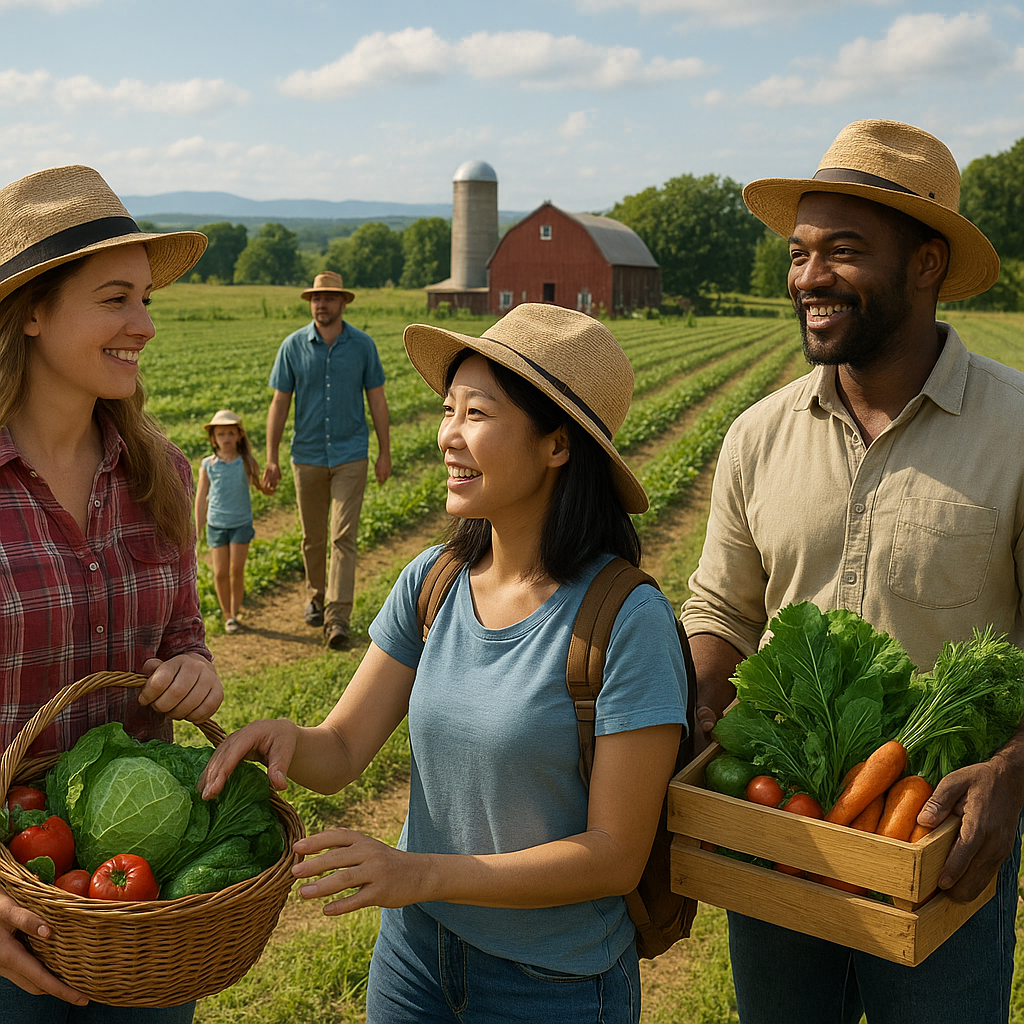
The intersection of agriculture and tourism has reshaped the way farms operate, inviting travelers to engage directly with rural landscapes. By offering immersive visits, hands-on workshops, and authentic farm-to-table dining, agri-tourism has become an essential driver of income diversification. Beyond mere sightseeing, visitors participate in daily farm routines, witness traditional methods, and discover cutting-edge practices under one roof. This trend not only bolsters the economy of remote regions but also preserves heritage, fosters community connections, and delivers unmatched educational experience for city dwellers and locals alike.
Agri-Tourism Evolution on Global Farms
Over the past two decades, farms across continents have adopted innovative models to welcome guests. Originally rooted in simple farm stays, the sector has diversified into niche offerings such as harvest festivals, animal therapy sessions, and culinary retreats. In Europe, UNESCO-designated rural sites leverage centuries-old techniques to present an authentic slice of agrarian life, while in Asia, family-run plantations offer tea-picking excursions that blend tradition with modern hospitality.
Emerging Models and Best Practices
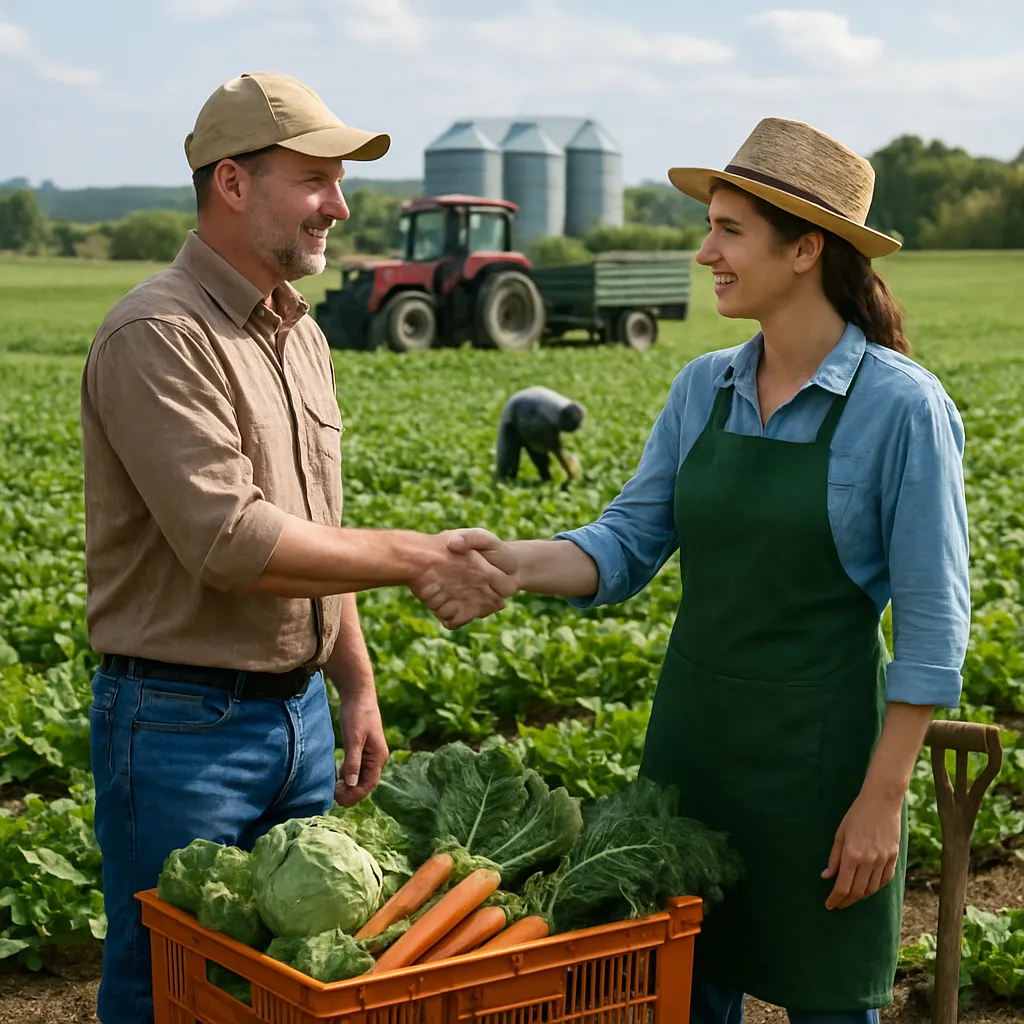
- Community-Supported Agriculture (CSA): Visitors buy shares in seasonal yields, promoting sustainability and direct farmer support.
- Agroforestry Excursions: Combining timber, fruit trees, and crops allows travelers to learn about integrated land management and resilience strategies in face of climate shifts.
- Organic Farm Workshops: Hands-on classes on composting, beekeeping, and natural pest control illustrate chemical-free approaches.
- Digital Farm Tours: Virtual reality and livestreams connect urban audiences to remote ranches and vineyards, expanding market reach.
In North America, agribusinesses have turned to themed events—such as pumpkin patches and maple syrup demonstrations—to capture seasonal peaks. Latin American haciendas prioritize cultural immersion, blending indigenous customs with coffee and cocoa harvesting sessions under the shade of native trees. Meanwhile, African conservancies integrate wildlife safaris with crop cultivation tours, emphasizing ecological stewardship and cross-sector collaboration.
Economic Impacts and Community Engagement
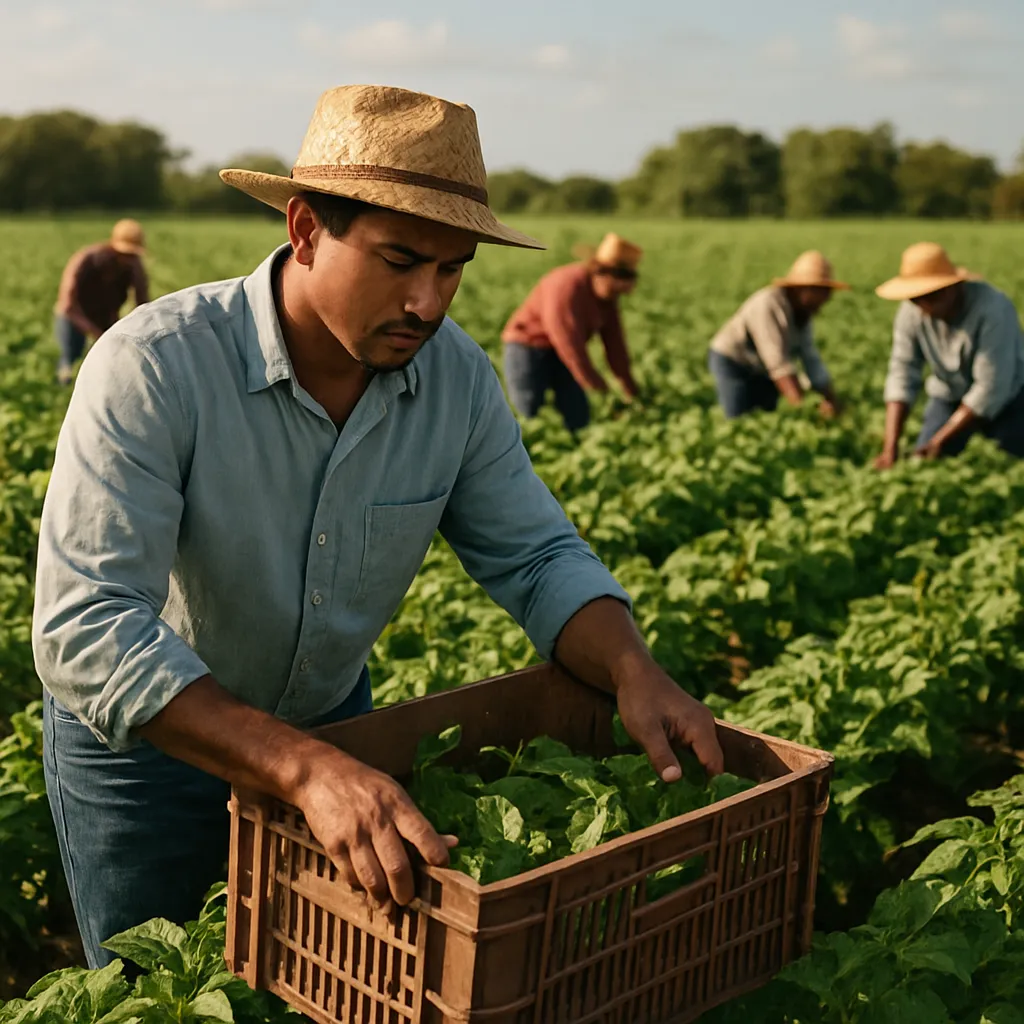
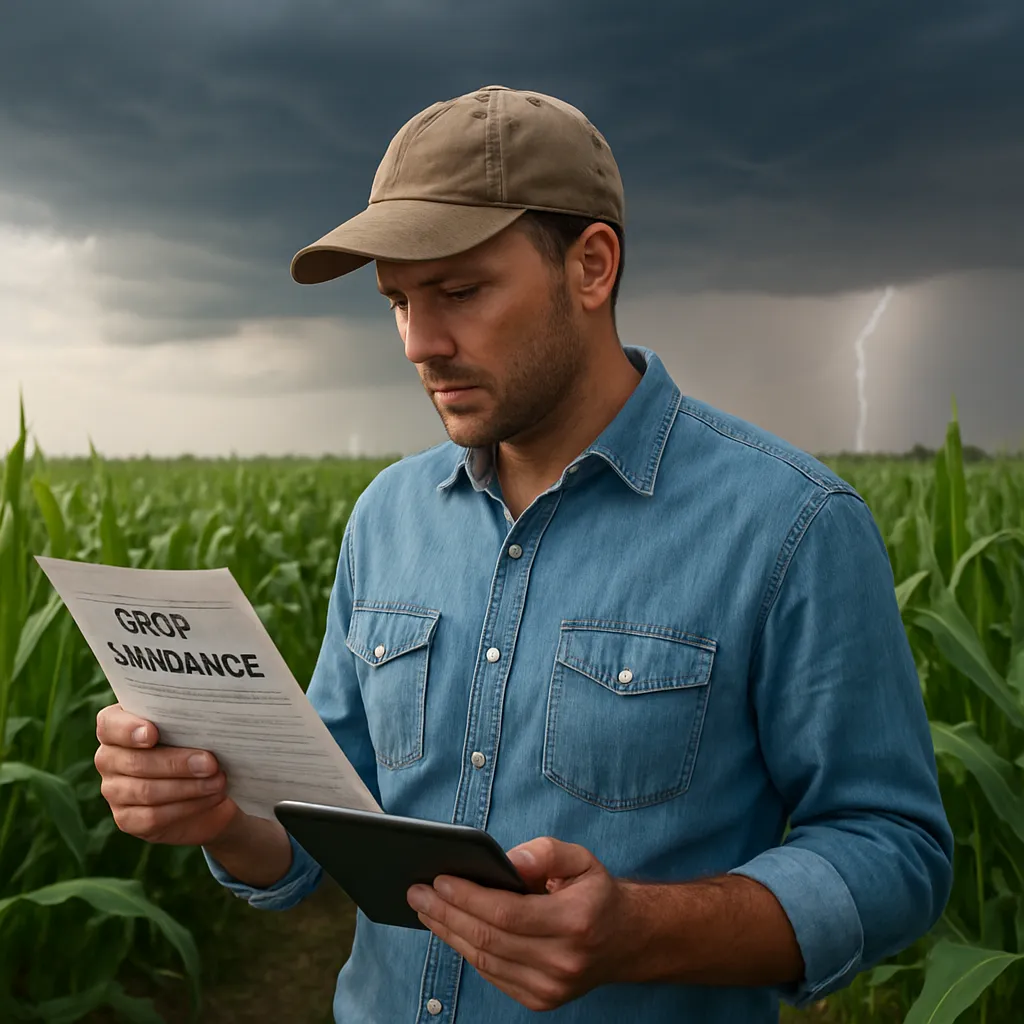
Farmers once reliant solely on crop yields now generate supplementary revenue streams through lodging, guided tours, and farm shops. This diversification reduces vulnerability to volatile commodity prices and natural disasters. In regions where unemployment rates are high, agri-tourism creates jobs in hospitality, marketing, and logistics while empowering local artisans to sell crafts and food products on-site.
- Rural Employment Growth: Small towns witness a rise in service-based roles, from tour guides to guesthouse managers.
- Local Supply Chains: On-farm restaurants source ingredients directly from the fields, supporting neighboring growers.
- Skill Development: Training programs in customer service and sustainable farming practices ensure long-term viability.
- Brand Recognition: Farms gain global visibility through social media shares and travel blog features.
Moreover, the influx of visitors often encourages infrastructure upgrades—better roads, improved signage, and enhanced broadband connectivity. As a result, entire regions benefit from increased accessibility and modern amenities. Collaborative networks of nearby farms sometimes pool resources to create themed routes, such as cheese trails or vineyard circuits, attracting larger crowds and fostering a spirit of regional development.
Educational Opportunities and Cultural Exchange
One of the most lauded aspects of agri-tourism is its capacity to bridge urban-rural divides. Guests leave behind concrete jungles to explore fields where crops sway in the wind, guided by passionate farmers who act as both hosts and teachers. Through interactive sessions, participants discover the science behind soil health, the intricacies of crop rotation, and the art of artisanal cheese-making.
Hands-On Learning Sessions
- Seed Planting Clinics: Visitors learn the significance of crop selection and marking growth stages.
- Animal Husbandry Demonstrations: From milking goats to herding sheep, guests gain empathy for livestock care.
- Preservation Workshops: Canning, pickling, and fermenting sessions highlight traditional food security methods.
- Farm-to-Table Cooking Classes: Collaborative meal preparation underscores the journey from harvest to plate.
These encounters often spark a deeper appreciation for food origins and environmental stewardship. Families, school groups, and international tourists alike leave with newfound respect for the labor-intensive processes that sustain daily life. The cross-cultural exchange is equally profound: farm hosts share folklore, local languages, and age-old customs, while guests contribute fresh perspectives and questions that can inspire further innovation on the farm.
Challenges and Future Trends
Despite promising growth, the agri-tourism sector faces several hurdles. Regulatory barriers in some countries limit the conversion of agricultural land into commercial lodging. Insurance costs for guest safety and liability concerns can discourage farmers from opening their properties. Additionally, the need to maintain crop yields and animal welfare standards must be balanced against the demands of hospitality management.
Navigating Obstacles
- Policy Advocacy: Farmer cooperatives lobby for clear zoning rules and tax incentives that recognize multi-functional land use.
- Quality Assurance: Certification programs for farm stays establish guidelines on sanitation, accessibility, and environmental impact.
- Technology Integration: Apps streamline booking processes, guest communication, and feedback collection to maintain high service levels.
- Risk Management: Flexible cancellation policies and emergency response plans build trust among travelers.
Looking ahead, several trends are set to redefine the landscape. The widespread adoption of precision agriculture tools—drones for crop monitoring, sensors for soil moisture, and AI-driven yield predictions—can be integrated into demonstration tours. Virtual reality experiences will continue to grow, offering pre-visit previews and educational modules for remote learners. The emphasis on farm-to-table movements will deepen, with on-site micro-distilleries, cheese aging caves, and heirloom seed libraries drawing niche audiences.
At the heart of these developments lies a commitment to ecological balance and social well-being. As agri-tourism matures, farms that prioritize sustainability and transparent practices will stand out. International networks of agri-tourism providers will foster knowledge exchange, sharing success stories in soil regeneration, renewable energy integration, and water conservation. These collaborative efforts will empower rural communities to thrive in an ever-changing global market, ensuring that agricultural heritage remains a vibrant, living tradition.