The integration of livestock within global farming systems has evolved into a critical component of agricultural landscapes worldwide. Far beyond the mere production of meat and dairy, animals contribute to soil fertility, crop protection, and rural economies. As the demand for animal-sourced foods rises, researchers and practitioners face the task of balancing productivity with environmental stewardship and social well-being. This exploration examines the multifaceted role of livestock, highlighting emerging practices, systemic challenges, and the transformative potential of innovative approaches.
Integrating Livestock into Sustainable Farming Practices
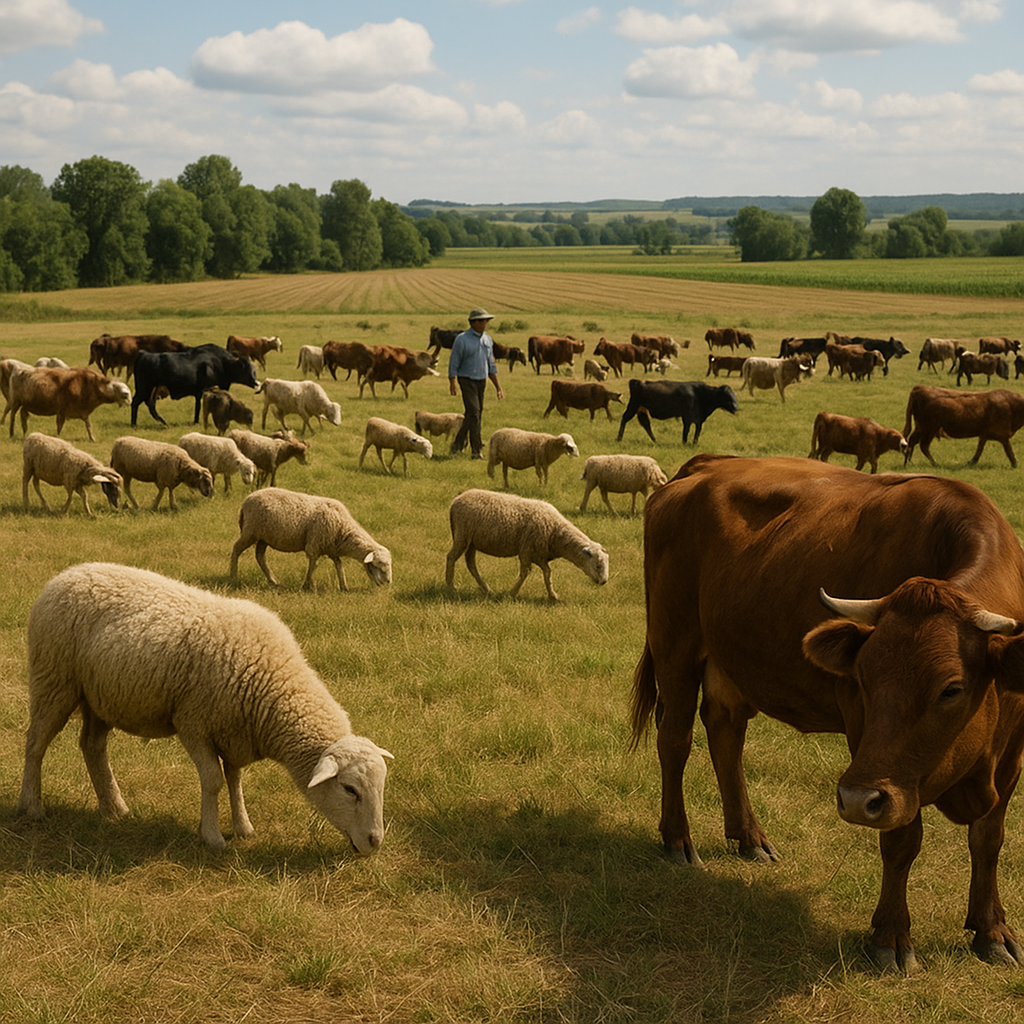
Livestock have long been woven into the fabric of mixed farming systems, providing manure, draft power, and a buffer against crop failure. Today, the concept of rotational grazing and integrated crop–animal systems underlines the shift toward sustainability and resource optimization. By moving herds across pastures, farmers can enhance biodiversity and stimulate grassland regeneration.
Benefits of Rotational Grazing
- Improves soil structure and nutrition cycling through even manure distribution
- Reduces the need for chemical fertilizers and promotes conservation of native flora
- Raises animal health by minimizing parasite loads and preventing overgrazing
In regions facing water scarcity, integrated systems that combine livestock with drought-tolerant forage crops exemplify adaptive approaches. Farmers grow legumes like alfalfa alongside cereals, enabling animals to graze on byproducts while fixing nitrogen in the soil. This synergy enhances overall farm efficiency and resilience against climatic shocks.
Case study: In Eastern Africa, community-based rangeland management has revived degraded lands. Herds rotate based on seasonal patterns, and local cooperatives monitor grazing intensity. The result: a gradual reduction in greenhouse gas emissions per unit of meat and dairy while maintaining herd sizes.
Challenges and Innovations in Global Animal Agriculture
Despite clear benefits, livestock farming grapples with hurdles ranging from disease outbreaks to market volatility. The emergence of zoonotic diseases underscores the need for robust biosecurity, while climate change intensifies feed price fluctuations. Yet, innovation in genetics, feed formulation, and digital monitoring offers pathways to more resilient systems.
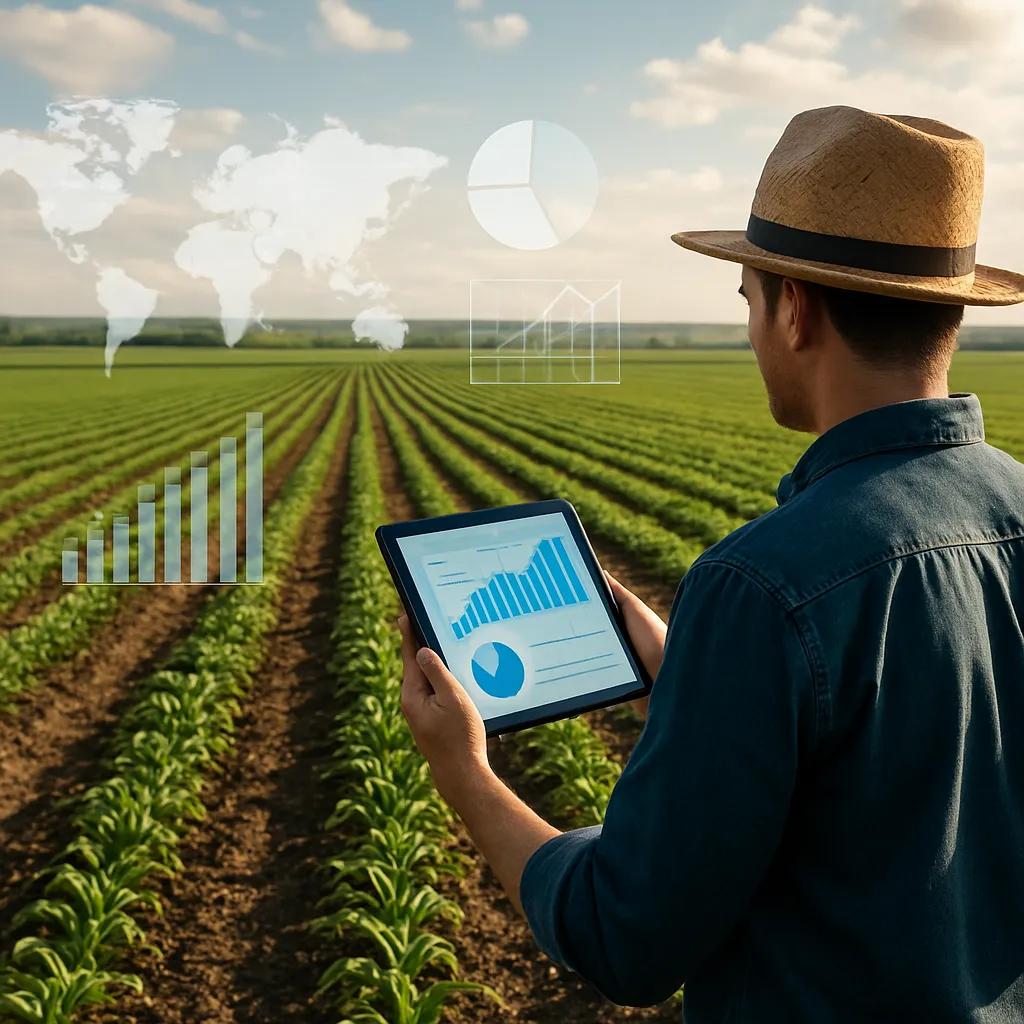
Precision Livestock Farming
- Wearable sensors track individual animal behavior and health indicators
- Automated feeding systems adjust rations in real time to optimize growth rates
- Data analytics forecast disease risks, enabling targeted interventions
Advances in alternative proteins and cultured meat are also reshaping the broader landscape. While these technologies remain in developmental stages, they challenge conventional supply chains to become leaner and more responsive. Some producers leverage blockchain to trace livestock products from birth to table, enhancing transparency and consumer trust.
Addressing Environmental Externalities
Livestock are often criticized for contributing to deforestation and greenhouse gas emissions, particularly methane. Innovative strategies to mitigate these impacts include:
- Feed additives that reduce enteric methane production by modifying gut microbiota
- Manure management techniques such as anaerobic digesters to capture biogas
- Agroforestry systems integrating trees with pastures to sequester carbon and provide shade
In Brazil, an integrated approach combining silvopastoral systems with improved cattle genetics has lowered deforestation pressure while raising per-animal productivity. The success rests on strong policy support and financial incentives for farmers committing to conservation goals.
Economic, Environmental, and Social Impacts of Livestock
Livestock farming wields significant influence over rural livelihoods and national economies. In low-income countries, smallholder herders manage communal grazing zones that buffer families against crop failures. Moreover, animal-sourced foods supply essential micronutrients crucial for human growth and cognitive development.
Nutrition and Public Health
- Milk, eggs, and lean meats provide bioavailable micronutrients like iron, zinc, and vitamin B12
- Livestock byproducts support local food industries, creating jobs in processing and retail
- Community-based dairies have lifted thousands of families out of poverty by guaranteeing stable milk prices
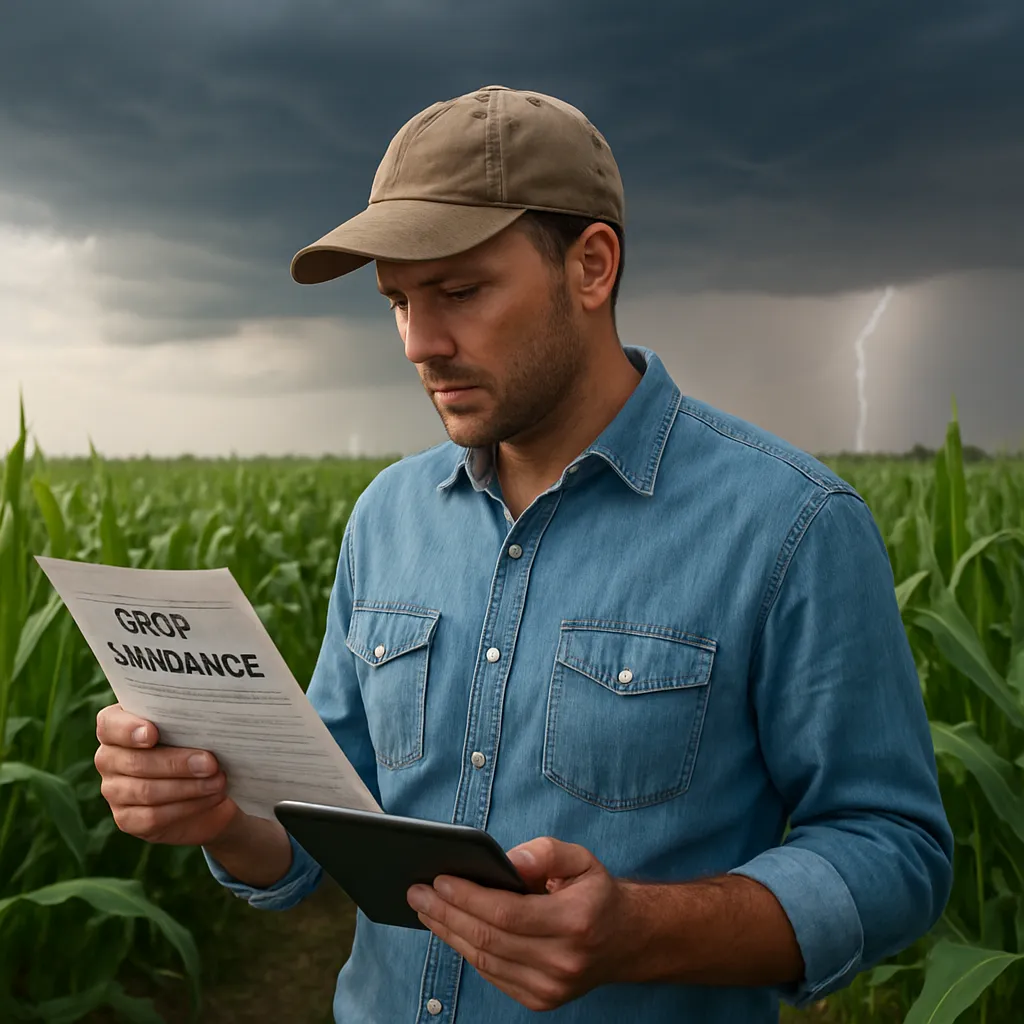
A parallel challenge involves ensuring resilience to climate-related shocks. Floods and droughts can decimate pastures, erasing herd value overnight. index insurance schemes and mobile finance applications now enable herders to hedge against these risks, safeguarding investments in genetics and feed.
Trade-offs and Policy Considerations
Policymakers must navigate complex trade-offs between expanding livestock production and preserving fragile ecosystems. Regulations targeting water use, land allocation, and antibiotic application play vital roles. However, top-down mandates alone cannot succeed without local stakeholder engagement and adequate compensation for ecosystem services rendered by farmers.
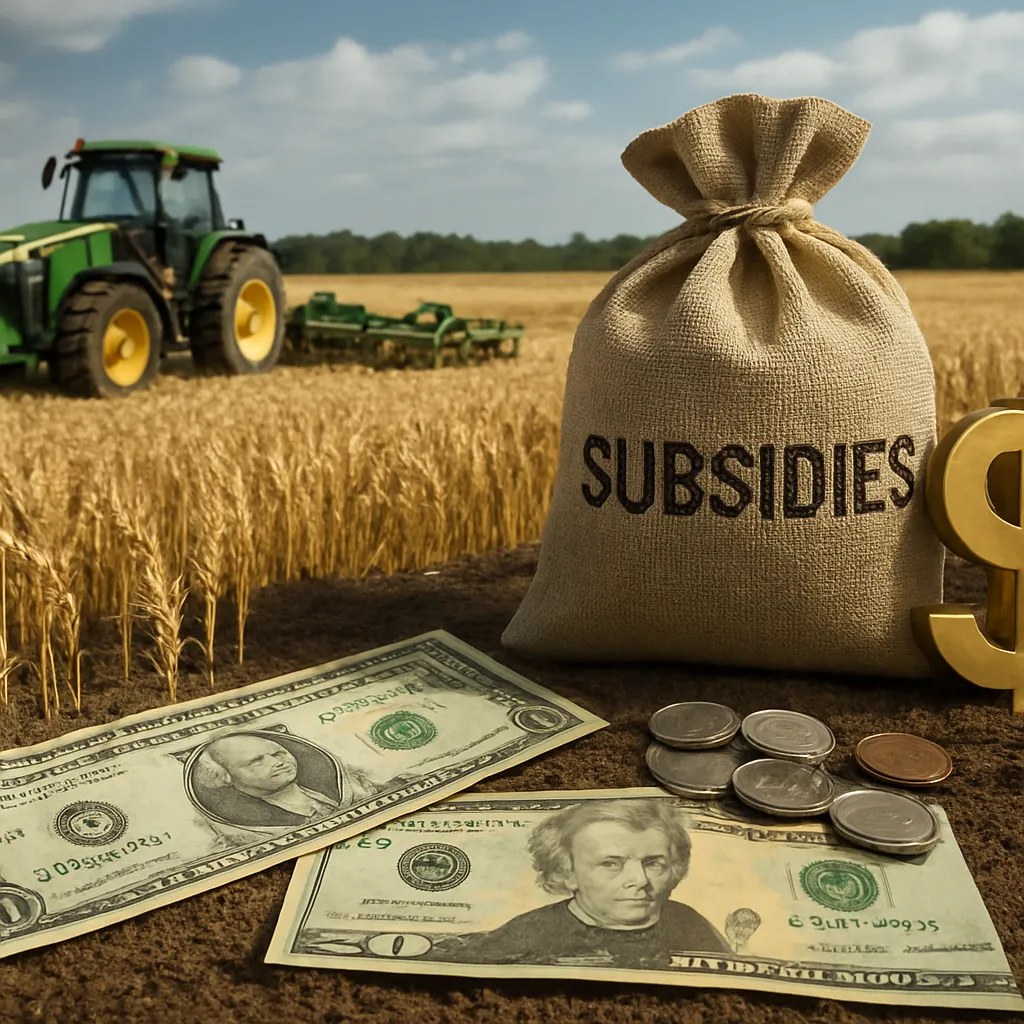
- Subsidies for pasture restoration incentivize sustainable land use
- Certification programs reward producers who meet animal welfare and environmental standards
- Public–private partnerships can underwrite research into low-emission animal breeds
Ultimately, harmonizing the triple bottom line of agriculture—economic viability, social equity, and environmental stewardship—requires both ground-level innovation and cohesive policy frameworks. Livestock farming remains a cornerstone of global food security, but its future depends on embracing integrated solutions that value every link in the chain, from grazing lands to urban consumption patterns.